
The Growing Allure of True Darkness
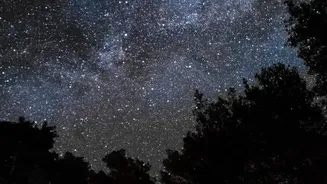
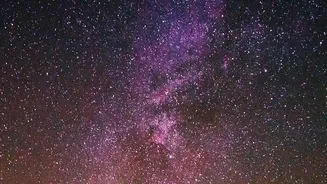
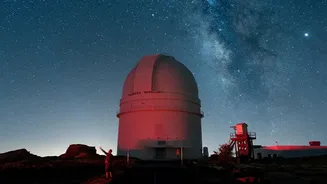
In an age of perpetual brightness, true darkness has become a rare commodity. This has fuelled a rise in 'astrotourism', where travellers journey far from urban centres not for beaches or mountains, but for an unobstructed view of the stars. The destinations
of choice are increasingly designated dark-sky sanctuaries—areas recognised for their exceptional starry nights and protected against light pollution. India is a key part of this global trend. In 2022, a region around the village of Hanle in Ladakh was officially declared India's first Dark Sky Reserve. This high-altitude desert, home to the Indian Astronomical Observatory, offers some of the clearest, most pristine skies in Asia. The designation has put Hanle on the map, with visitor numbers surging as people seek the awe-inspiring experience of seeing the Milky Way in its full glory.
Winter's Crystal-Clear Canvas
While stargazing is a year-round activity, winter offers a distinct advantage. The cold winter air holds significantly less moisture and humidity than the air in warmer months. This reduction in atmospheric water vapour leads to crisper, more transparent skies, allowing starlight to travel to our eyes with minimal distortion. The result is a view where stars appear sharper and brighter. Furthermore, the winter season brings longer nights, providing an extended window for observation. Darkness often falls early in the evening, making celestial viewing accessible without having to stay up until the early hours of the morning. For enthusiasts, this combination of clarity and time makes the winter months the undisputed prime time for astronomy.
A Celestial Spectacle This Season
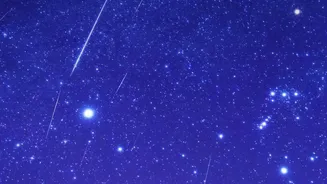
This winter of 2026-2027 promises a particularly rewarding schedule for sky-watchers. The season is headlined by two of the year's most reliable meteor showers. The Geminid meteor shower, active from early December, is expected to peak on the night of December 13-14, 2026. Sourced from the asteroid 3200 Phaethon, the Geminids are known for producing up to 120-150 bright meteors per hour under perfect conditions. Crucially, the moon will be a thin crescent that sets early, leaving the sky dark for the prime viewing hours. Following that, the Quadrantid meteor shower will peak on the night of January 3-4, 2027. Known for a short but intense peak, this shower can also produce over 100 meteors per hour and will also occur under favourable moonless conditions. Beyond the showers, winter skies are home to some of the most brilliant constellations, including the iconic Orion the Hunter, Taurus the Bull, and the dazzling star Sirius.
India's Premier Stargazing Hubs
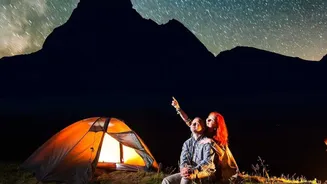
While Hanle in Ladakh is the crown jewel of Indian astrotourism, it is far from the only option. The Spiti Valley in Himachal Pradesh has long been a favourite for its high-altitude, clear skies and remote landscapes. The Rann of Kutch in Gujarat offers a unique experience, with its vast, flat salt desert providing an uninterrupted 360-degree view of the heavens. In Rajasthan, the desert near Jaisalmer provides dark skies away from the city bustle. For those in the south, areas in Coorg, Karnataka, offer pockets of darkness perfect for a weekend stargazing trip. Several startups and tourism operators are now curating 'astro-camps' and workshops in these locations, making the cosmos more accessible than ever.
Planning Your Celestial Getaway
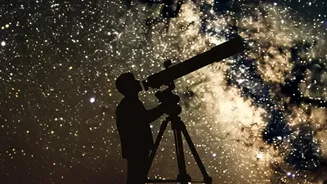
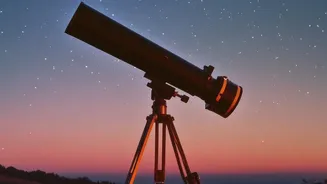
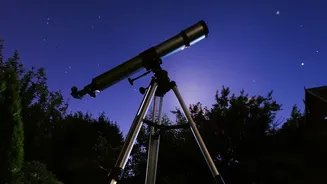
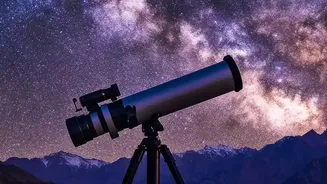
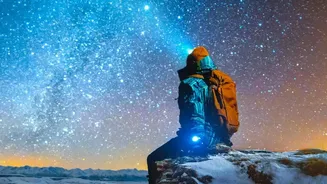
A trip to a dark-sky location requires some planning. The most important factor is timing. Aim for the days around a new moon to ensure the moonlight doesn't wash out fainter stars and meteors. Pack for the conditions; winter nights, especially at high altitudes, are intensely cold, so multiple layers of warm clothing are essential. While you can see plenty with the naked eye, a good pair of binoculars will reveal stunning details, from craters on the moon to the moons of Jupiter. A star-map app on your phone can help you identify constellations. Finally, be a responsible astro-tourist. Use red-light torches instead of white ones to preserve your (and others') night vision, pack out everything you bring in, and respect the local guidelines designed to protect these precious dark skies for everyone.