






Turmeric: The Golden Healer
Turmeric, or haldi, is a cornerstone of Indian cooking and Ayurvedic medicine. During the monsoon, when infections are more common, its powerful bioactive compound, curcumin, comes to the forefront. Curcumin is known for its potent anti-inflammatory and antioxidant
properties, which help strengthen the body’s defences against seasonal bugs. Traditional wisdom suggests that warming spices are ideal for the rainy season, and turmeric fits this description perfectly. For maximum benefit, pair it with a pinch of black pepper; the piperine in pepper significantly enhances curcumin absorption. A simple glass of warm turmeric milk before bed or adding a generous pinch to your daily dals and sabzis can help keep you resilient.
Ginger: The Digestive Fire-Keeper
Ayurveda suggests that our digestive fire, or 'Agni', is weaker during the monsoon. This is where ginger, or adrak, becomes an indispensable ally. Well-known for its ability to soothe an upset stomach and combat nausea, ginger also possesses anti-inflammatory and antimicrobial properties that are particularly useful during the rains. It's a go-to home remedy for the common cold and sore throats that frequently appear this time of year. Incorporating ginger into your diet is easy: start your day with a warm cup of ginger tea, or add freshly grated ginger to soups, curries, and lentil dishes to aid digestion and add a comforting warmth to your meals.
Amla: The Vitamin C Powerhouse
Indian Gooseberry, or amla, is one of nature's most potent sources of Vitamin C, a crucial nutrient for a robust immune system. During the monsoon, when our immunity can take a dip, amla helps support the production of white blood cells, which are the body's primary line of defence against infections. Its antioxidant properties also help combat oxidative stress and maintain healthy, glowing skin, which can be affected by the season's humidity. While the fresh fruit is best, you can also find it as a juice or powder. A small glass of amla juice in the morning is a great way to start your day and keep seasonal illnesses at bay.
Tulsi: The Queen of Herbs
Holy Basil, or Tulsi, is revered in India for good reason. It’s a powerful adaptogen with strong antimicrobial and antiviral qualities, making it a perfect herb for monsoon wellness. Tulsi is especially known for promoting respiratory health, helping to relieve the coughs, colds, and congestion that are common in damp weather. Many Indian households have a practice of starting the day by chewing on a few fresh leaves or drinking Tulsi tea. Simply boiling a few leaves in water creates a soothing, immunity-supporting drink that can be enjoyed daily throughout the season.
Gourds: The Gentle Cleansers
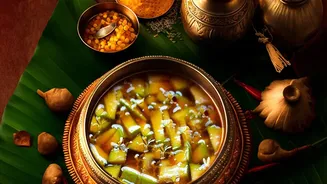
Vegetables like bottle gourd (lauki), ridge gourd (turai), and bitter gourd (karela) are monsoon staples. These vegetables are light, easy to digest, and rich in fibre, which is ideal when the digestive system is sluggish. Bottle gourd is hydrating and gentle on the stomach, while ridge gourd also aids digestion and prevents constipation. Bitter gourd, though an acquired taste, is prized for its detoxifying properties and its ability to boost the immune system. Incorporating these gourds into simple, freshly cooked meals like soups, stews, or light stir-fries can provide essential nutrients without burdening your system.