




The Great Unplugging
Forget frantic itineraries and jam-packed tourist hotspots. The 'nature-first' break is a deliberate step back from the chaos. It’s a travel philosophy centred on immersion in the natural world, prioritising quiet, sustainability, and genuine connection
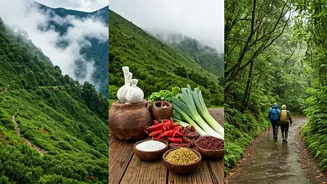
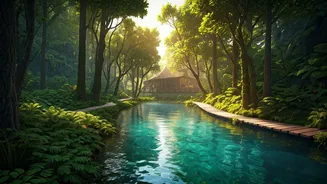
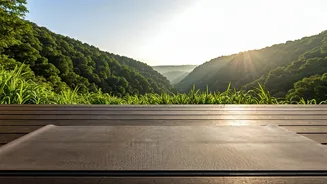
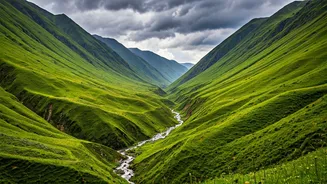
over a checklist of sights. This isn't your typical family holiday to a bustling hill station. Instead, imagine a boutique farm stay in the Western Ghats where your morning alarm is a rooster, a glass-fronted cabin in the Himalayas with zero network coverage, or a luxury tent in the middle of a Rajasthani desert where the main activity is stargazing. The focus is less on 'doing' and more on 'being'—present, mindful, and surrounded by the environment. It’s a conscious choice to disconnect from the digital world to reconnect with the real one.
From Burnout to Bio-Reserves
So, what’s fuelling this movement? In a word: burnout. The relentless pace of urban Indian life, with its endless traffic, work pressures, and screen time, has left a generation yearning for an escape valve. The pandemic amplified this, blurring the lines between work and home and making our living spaces feel like cages. The search for open skies and fresh air became a psychological necessity, not just a leisurely pursuit. This collective exhaustion is driving travellers to seek out destinations that offer peace and restoration. Nature-first retreats offer a promise of healing—a chance to slow down, breathe deeply, and reset the mind and body away from the demands of the hustle culture that has defined modern success until now.
The ‘Shareable’ Scenery
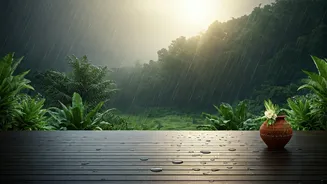
Here's the interesting paradox: while these trips are about disconnecting, they are also incredibly 'shareable'. The aesthetic is a core part of the appeal. A perfectly framed shot of a misty morning from a wooden porch, a flat lay of a farm-to-table breakfast, or a candid video of a walk through a pine forest—these have become the new status symbols on social media. Unlike a generic luxury hotel that could be anywhere in the world, these unique, nature-centric locations signal a different kind of aspiration: one that values wellness, authenticity, and eco-consciousness. The desire to post from a remote, aesthetically pleasing location has, in turn, fuelled demand for more such properties. It's a symbiotic relationship where the need for a genuine escape meets the desire to curate a beautiful online identity.
Beyond the Five-Star Hotel
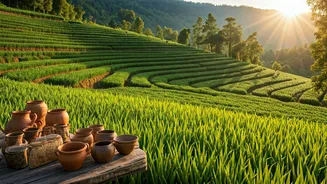
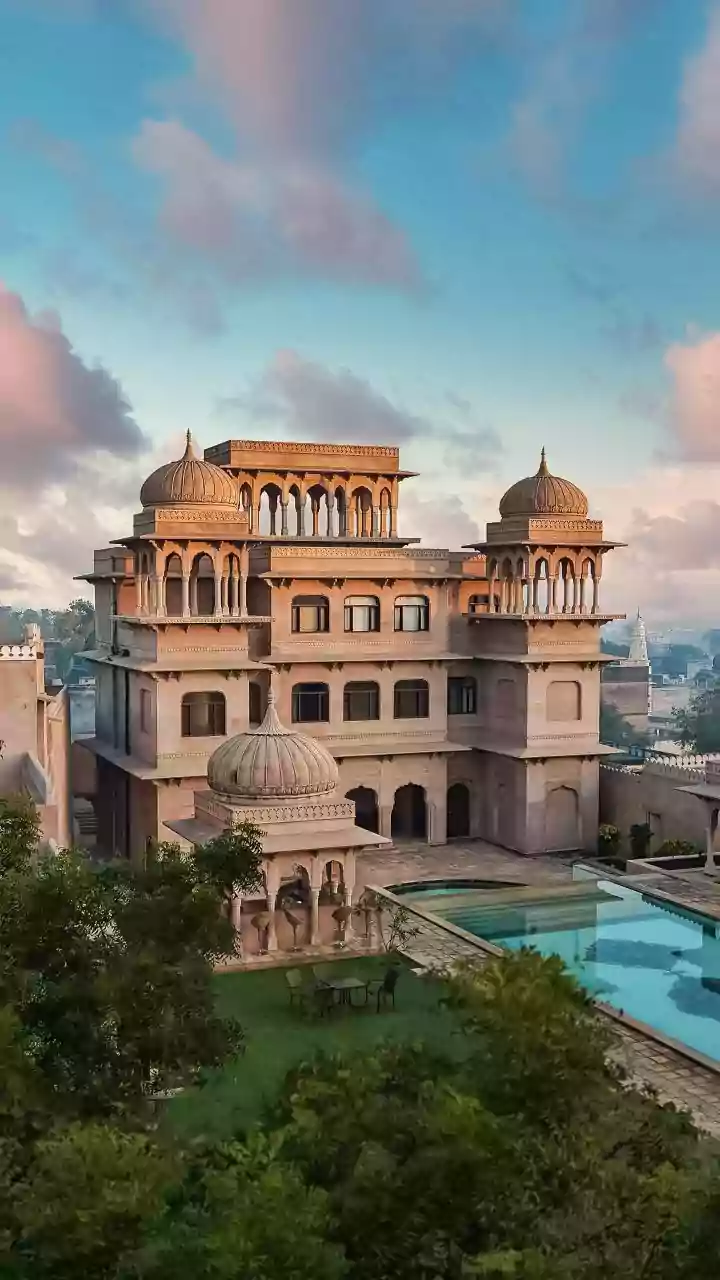
This trend has sparked a wave of innovation in India’s hospitality sector. Entrepreneurs are moving beyond the traditional hotel model to create experiences that are deeply integrated with their surroundings. We’re seeing a boom in glamping sites that offer the rustic feel of camping with the comforts of a hotel. Farm stays invite guests to participate in organic farming and learn about local agriculture. Eco-lodges are being built with sustainable materials and practices, minimising their environmental footprint while maximising guest comfort. Destinations once considered off-the-beaten-path in states like Uttarakhand, Himachal Pradesh, Kerala, and even lesser-known parts of Maharashtra and Karnataka are now home to these intimate, design-forward properties that cater to this new-age traveller.
A More Mindful Journey
Is this just another fleeting Instagram trend? Perhaps not. At its core, the rise of nature-first breaks points to a more significant, potentially permanent shift in traveller values. It reflects a growing awareness of mental well-being and a rising consciousness about environmental impact. By choosing smaller, locally-run establishments, travellers are often contributing directly to rural economies and promoting a more sustainable model of tourism. This isn't just about escaping the city; it's about finding a more meaningful way to travel. It’s a move away from mass consumption and towards mindful experiences, suggesting that the future of leisure in India might just be quieter, greener, and more connected to our roots.