






A New Era for Regional Journeys
For years, the idea of seamless overland travel from India into neighbouring countries was more of a complex logistical challenge than a holiday. However, a significant shift is underway. Governments across South and Southeast Asia are increasingly recognising
the mutual benefits of tourism and trade, leading to streamlined regulations. While India has long-standing open border agreements with Nepal and Bhutan for its citizens, the focus is now expanding. Recent changes and discussions, particularly concerning Southeast Asia, are paving the way for more efficient and user-friendly cross-border travel, reducing the reliance on air travel and opening up new corridors for adventure and commerce.
Thailand: A Key Example of Policy Shifts
Thailand has been a major focus of evolving visa policies for Indian travellers. After a period of offering a generous 60-day visa exemption, policies were tightened in mid-2026. As of August 2026, the visa-free scheme was revised, and Indian passport holders now typically require a Visa on Arrival (VoA). While this may seem like a step back, the infrastructure supporting this process has been refined. The key to efficiency is preparation. Travellers must complete the Thailand Digital Arrival Card (TDAC) online before departure and have documents like proof of funds and a return ticket ready. For overland crossings, the rules are also being clarified, with specific limits often placed on the number of land entries per year to manage traffic and encourage the use of proper long-stay visas.
What 'Improved Efficiency' Actually Means
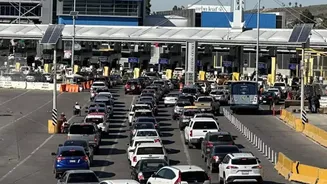
When officials talk about 'improving efficiency', it isn't just about removing visa requirements entirely. It translates into tangible benefits for the traveller. A major component is the move towards digitalisation. Requiring travellers to pre-register online, as with Thailand's TDAC, allows immigration authorities to process arrivals much faster, reducing long queues at border posts. It also means fewer paper forms and less uncertainty. For India, the expansion of its own e-Visa system to include more land border crossings is another piece of the puzzle, allowing foreign nationals easier entry and facilitating regional itineraries. This digital shift standardises the process, making it more predictable and manageable for both travellers and border officials.
The Overland Route to Southeast Asia
The India-Myanmar-Thailand Trilateral Highway remains a significant project aimed at revolutionising overland connectivity. While full, seamless visa-free transit along the entire route is still a future goal, the individual policies of each country are the building blocks. Malaysia also continues its visa-free scheme for Indian tourists through 2026, making it another accessible destination in the region. For travellers looking to explore overland, this means that with careful planning, a multi-country road trip through Southeast Asia is more feasible than ever. It requires checking the specific rules for each border crossing — for example, whether a Visa on Arrival is available, if an e-Visa is mandatory, or if visa-free entry is permitted.
Planning Your Cross-Border Trip
Despite easier access, some documents remain non-negotiable. A valid passport with at least six months of validity is essential. For road trips, you will need all relevant vehicle documents, including registration, an international driving permit, and potentially a 'carnet de passages en douane' depending on the country. Always verify the status of the specific border crossing you intend to use, as operating hours and rules can change. For example, the India-Pakistan border has very limited access for non-citizens. The most crucial step is to check the official immigration websites of your destination countries just before you travel to get the most current information, as visa policies can be adjusted with little notice.