



1. Create an Entryway Cleaning Station
Your first line of defense is the door your pet uses most. Creating a dedicated cleaning station in this area can trap the majority of mess before it gets tracked through the house. Place a highly absorbent, machine-washable doormat right inside the entrance.
Some pet owners even use a two-mat system, with one outside and one inside, for double protection. Keep a small basket or caddy nearby with essentials: a stack of old towels for drying wet fur, pet-safe wipes for quick paw cleaning, and a spray bottle with water. This setup makes a quick wipe-down a simple and consistent habit after every walk or romp in the yard.
2. Master the Art of Paw Care
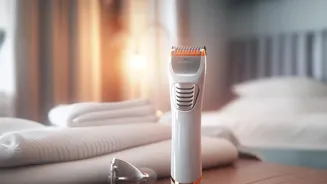
Paws are the primary vehicle for dirt delivery. Regularly wiping your pet's paws every time they come inside is one of the most effective habits you can adopt. For extra muddy days, you might keep a shallow basin of warm water and a towel by the door for a quick foot dunk and dry. Beyond daily cleaning, proactive grooming helps immensely. Keep the fur between your pet's paw pads trimmed short. This long hair acts like a magnet for mud, burrs, and debris. Similarly, keeping their nails trimmed reduces the amount of dirt that can get caked underneath. If your dog is tolerant, dog booties are also an incredibly effective, if sometimes silly-looking, solution for rainy or muddy seasons.
3. Make Grooming a Routine
A clean pet brings less dirt inside. Regular brushing is key, as it removes loose fur, dust, and outdoor debris before it can fall off onto your floors and furniture. How often you need to brush depends on the coat type, with long-haired breeds often requiring daily attention. Consider doing this outdoors or in an easily cleaned area like a garage. A groomer can also perform a "sanitary trim" on your dog's underside and legs, which are areas prone to picking up dirt and moisture from the ground. While full baths are only needed periodically, don't be afraid to do a quick rinse of just your pet's legs and belly if they've had a particularly messy adventure.
4. Strategize Your Landscaping
Managing what's outside your door can significantly impact what comes in. Bare patches of dirt in the yard are a direct source of mud. Consider seeding these areas with grass or covering them with pet-friendly mulch, gravel, or stones. This not only reduces mud but can also help prevent your dog from digging in problematic spots. When walking your pet after rainfall, sticking to paved sidewalks instead of grassy fields can also make a big difference in how clean their paws stay.
5. Protect Your Furniture and Floors
Even with the best prevention, some dirt will make it inside. Protect your furniture by using washable covers, throws, or blankets in the spots where your pet loves to lounge. This is much easier than trying to deep-clean your sofa upholstery. It's also wise to restrict pet access to certain areas, like carpeted bedrooms, especially right after they've come in from outside. Using baby gates can be an effective way to contain your pet in an easy-to-clean space, such as a kitchen with tile floors, until they are fully clean and dry.
6. Upgrade Your Cleaning Tools
Living with pets often means your old cleaning routine needs an upgrade. A powerful vacuum cleaner designed for pet hair is a worthy investment. For hard floors, a good mop system and pet-safe cleaning solutions are essential for tackling paw prints and other messes. An air purifier can also be a game-changer, helping to remove pet dander and odors from the air, which contributes to an overall feeling of a cleaner home. Regularly washing your pet's bedding, collars, and harnesses also helps control dirt and odor buildup.