








The Weather Whiplash Explained
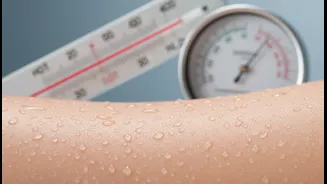
Just weeks ago, Delhi-NCR was grappling with extreme heat, with temperatures soaring. Now, the India Meteorological Department has forecast several days of rain and thunderstorms, bringing temperatures down but cranking up humidity. This abrupt change
from intense dry heat to a damp, humid environment puts significant stress on the human body, which struggles to adapt quickly. This fluctuation can weaken the immune system, making individuals more vulnerable to infections.
Viral and Respiratory Infections on the Rise
The combination of fluctuating temperatures and high humidity creates a perfect breeding ground for viruses and bacteria. This leads to a spike in common colds, coughs, sore throats, and viral fevers. People with existing respiratory conditions like asthma, bronchitis, or sinusitis are particularly at risk, as the damp air can worsen their symptoms. Children and the elderly, who have comparatively weaker immune systems, are also more susceptible during this time.
The Menace of Monsoon Diseases
The arrival of rain brings another predictable threat: a surge in mosquito-borne and water-borne diseases. Rainwater collecting in coolers, potholes, and flower pots creates ideal breeding sites for Aedes mosquitoes, the carriers of dengue. Malaria is another significant threat during this season. Furthermore, contaminated food and water become a major concern, increasing the risk of gastrointestinal issues like typhoid, cholera, and diarrhoea.
Your Preventive Health Checklist
Staying healthy during this transition requires proactive measures. Firstly, maintain hydration by drinking plenty of clean, filtered water, even if you don't feel thirsty. Boost your immunity by eating a balanced diet rich in seasonal fruits and vegetables, particularly those high in Vitamin C like oranges and amla. Personal hygiene is critical; wash your hands frequently and avoid street food that may be unhygienically prepared. At home, take steps to prevent mosquito breeding by regularly clearing any stagnant water.
Dressing Smart and Managing Your Environment
Simple lifestyle adjustments can make a big difference. If you get caught in the rain, change out of wet clothes immediately to prevent fungal infections and a drop in body temperature. Dressing in light, breathable fabrics like cotton can help manage sweat and prevent skin rashes in the humid weather. It's also wise to avoid sudden and extreme temperature changes, such as moving from the humid outdoors into a heavily air-conditioned room, as this can further shock your system.
When to Consult a Doctor
While many weather-related ailments are mild, it's important to know when to seek medical help. If a fever, cough, or body ache persists for more than two or three days, it is advisable to see a doctor. Other red flags include severe headaches, rashes, persistent vomiting, or difficulty breathing. Early diagnosis and treatment are crucial, especially for diseases like dengue and typhoid, to prevent serious complications.