








Prioritise Pre-Trip Research
Before you even pack your bags, your first step is to check the latest weather forecasts and local advisories. The India Meteorological Department (IMD) provides district-level alerts that are crucial for understanding the immediate risks. In recent years,
authorities in states like Karnataka and Maharashtra have become stricter, sometimes closing popular trekking trails, waterfalls, and forts during periods of heavy rainfall for safety reasons. Recent incidents, including landslides in the Wayanad region, highlight the fragile nature of the Ghats during intense downpours, often amplified by construction and hill-cutting. Always check official forest department websites or local news for closures and mandatory permits, which are increasingly required for many routes.
Choose Your Destination and Trail Wisely
Not all trails are created equal in the monsoon. High-risk routes include those with steep rock patches, narrow gullies prone to flash floods, or forest paths with seasonal streams that can become uncrossable. Opt for well-marked, popular trails and avoid taking unfamiliar shortcuts, which can lead to unstable ground. If you are unfamiliar with the area, hiring an experienced local guide is a wise investment. They possess invaluable knowledge of the terrain and weather patterns. Given the increased risk of landslides in ecologically sensitive areas, choosing a destination with a history of stability is key. Some authorities have explicitly restricted tourism in high-risk zones, so adhering to these guidelines is non-negotiable.
Gear Up for a Wet World
The right gear is your first line of defense. Proper footwear is non-negotiable; invest in trekking shoes with deep, high-traction grips to handle slippery rocks and mud. Leave the cotton clothes at home, as they absorb water and can lead to a dangerous drop in body temperature. Instead, opt for lightweight, quick-drying synthetic fabrics. A reliable waterproof jacket and pants or a sturdy poncho are essential to stay dry. Protect your electronics, wallet, and a spare set of dry clothes by packing them in dry bags or sealed plastic pouches inside your backpack. A waterproof cover for your backpack is also a must-have.
Master Monsoon Driving
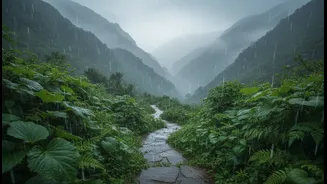
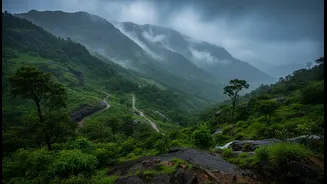
Driving in the Ghats during monsoon is an experience in itself, with clouds drifting across winding roads. However, it demands extreme caution. Before starting, ensure your vehicle is serviced, paying special attention to tyres, brakes, and windscreen wipers. Heavy rain can reduce visibility to almost zero in minutes. Drive slowly, use your low-beam headlights in fog, and be wary of submerged potholes or debris on the road. Mountain passes can be treacherous, and local authorities may close roads with little notice. Never attempt to cross flooded roads or bridges, and avoid parking in hazardous spots that could be in the path of a landslide.
Tread with Extreme Caution
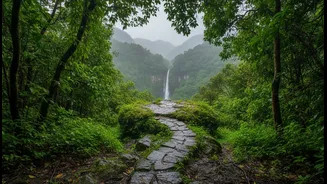
Once on the trail, vigilance is everything. Stick to marked paths and be extremely careful around waterfalls and streams. A gentle flow can transform into a raging torrent within minutes following a downpour upstream. Never get too close to cliff edges, especially for photos, as the ground can be loose and slippery. Leeches are common in the wet season; while mostly harmless, wearing full-length trousers and leech-proof socks can offer peace of mind. A trekking pole can be invaluable for maintaining balance on slippery descents. Always inform someone of your planned route and expected return time.
Stay Fuelled, Hydrated, and Connected
Trekking in the rain is physically demanding. Keep your energy levels up with energy bars, dried fruits, and other high-energy snacks. Drink plenty of water to stay hydrated. While it may feel cool, you are still exerting yourself. It's wise to avoid street food, as the risk of water contamination is higher during the monsoon. Mobile networks are often unreliable or non-existent in remote areas, so do not depend solely on your phone for navigation. Carry a fully charged power bank, but also have a physical map and know how to use it. Keep emergency contacts, such as local police (100) or the disaster cell (1077), saved and written down.