




Indian cuisine is celebrated for its robust flavours, but many of its most beloved dishes are also nutritional powerhouses. Among them, saag—a category of dishes made from leafy greens—stands out as a delicious way to boost your fibre intake.
Understanding Saag
While many
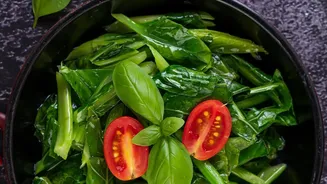
associate 'saag' exclusively with the Punjabi winter classic 'Sarson ka Saag', the term actually refers to a wide variety of dishes prepared with leafy greens. This can include spinach (palak), mustard greens (sarson), fenugreek leaves (methi), amaranth leaves (cholai), and more. These greens are slow-cooked with aromatic spices, ginger, and garlic to create a creamy, nutrient-dense curry that is a staple in many Indian households, particularly in the northern regions.
The Importance of Dietary Fibre
Dietary fibre is a type of carbohydrate that the body cannot digest. It plays a crucial role in maintaining good health. Insoluble fibre adds bulk to stool, which helps prevent constipation and promotes regular bowel movements. Soluble fibre dissolves in water to form a gel-like substance, which can help lower cholesterol and stabilise blood sugar levels. A diet rich in fibre is linked to better gut health, weight management, and a lower risk of chronic diseases. Leafy green vegetables are an excellent source of both types of fibre.
Sarson ka Saag: The Winter Classic
Perhaps the most famous saag, Sarson ka Saag is made primarily from mustard greens, often mixed with other greens like spinach and bathua (chenopodium). Mustard greens are packed with nutrients and are a particularly good source of dietary fibre, with some preparations containing around 3 to 5 grams of fibre per 100 grams. This dish not only aids digestion but is also rich in vitamins A, C, and K, as well as minerals like calcium and iron. Traditionally served with makki ki roti (maize flatbread), it becomes a wholesome, high-fibre meal perfect for the colder months.
Palak Paneer: The Universal Favourite
Palak Paneer, a creamy dish of spinach and cottage cheese, is a favourite across India and beyond. Spinach (palak) is the star here, providing a good dose of fibre along with iron and calcium. A home-cooked bowl of palak paneer can contain around 5.6 grams of fibre. The combination of spinach and paneer makes this dish a balanced source of nutrients, offering protein from the cheese and a wealth of vitamins from the greens. Its widespread popularity makes it an easy and delicious way to incorporate more fibre into your diet.
Methi and Cholai: Everyday Powerhouses
Fenugreek leaves (methi) are another common ingredient in Indian cooking, prized for their distinct flavour and health benefits. Methi is known to be rich in soluble fibre, which can help regulate blood sugar levels and promotes gut health. It's often used in dal (lentil) dishes, curries like Aloo Methi, or in flatbreads like thepla, making it a versatile fibre source. Amaranth leaves (cholai or lal saag) are also exceptionally nutritious, packed with fibre, protein, iron, and calcium. Often prepared as a simple stir fry or added to dals, cholai is a fantastic way to boost the nutritional content of any meal.
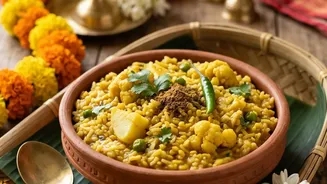
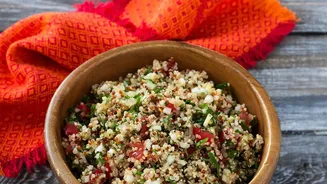
To get the most out of your saag dishes, there are a few things to keep in mind. First, try not to overcook the greens, as this can diminish their nutrient content. Second, pairing your saag with whole grains like whole wheat roti, brown rice, or millets will further increase the overall fibre content of your meal. Adding a handful of leafy greens to your everyday dal is another simple trick to effortlessly increase your intake of fibre, vitamins, and iron. Finally, exploring the variety of leafy greens available in local markets can introduce you to new flavours and textures, keeping your high -fibre meals interesting and enjoyable.