




A Paradise Under Pressure
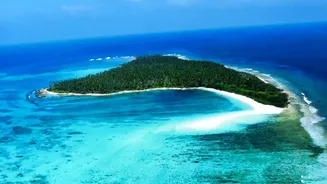
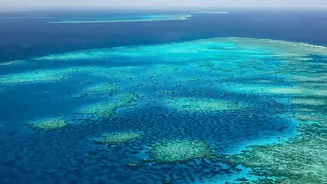
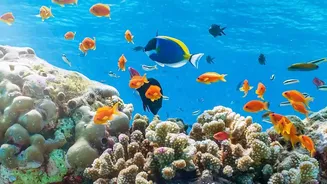
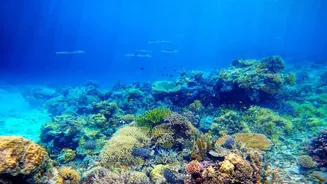
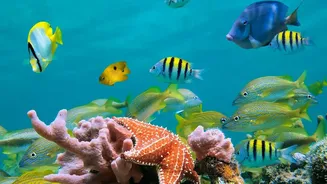
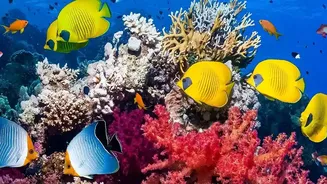
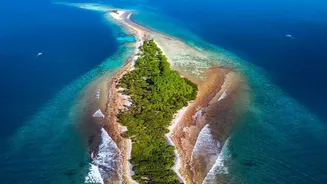
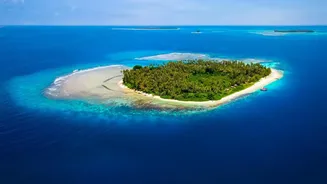
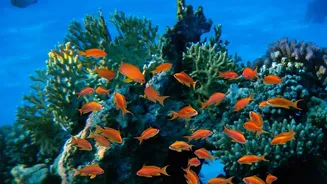
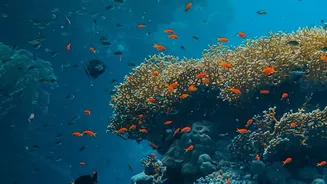
Lakshadweep, an archipelago of 36 coral atolls in the Arabian Sea, is often described as India’s coral paradise. Its islands are built on and protected by coral reefs, which support an incredible diversity of marine life and shield the low-lying land from
coastal erosion. However, this delicate ecosystem faces a dual crisis: global climate change and localised human pressure. Rising sea temperatures have led to devastating coral bleaching events, while a 2025 study highlighted the growing threat of microplastic pollution from tourism and waste. Studies have shown a significant decline in coral cover over the past two decades, threatening not just the marine environment but also the livelihoods of islanders who depend on fishing and tourism. The challenge is to allow people to experience this beauty without contributing to its demise.
From Open Gates to Guarded Welcome
In response, the Lakshadweep administration has pivoted its tourism strategy to one of 'eco-tourism', where environmental preservation is the foremost priority. This marks a significant shift from merely promoting tourism to actively managing its impact. The core of this strategy lies in controlling the flow of visitors and enforcing behaviours that minimise environmental harm. The logic is simple: the very attraction of Lakshadweep is its pristine nature. Allowing unregulated tourism would destroy the asset everyone wants to see. Therefore, mandatory protocols are not seen as a barrier but as a necessary framework to ensure the long-term viability of the islands as both a habitat and a destination.
The New Rules of Island Travel
The cornerstone of this protective strategy is a mandatory entry permit system for all non-islanders. While the process was simplified in April 2026 to remove the need for a local sponsor or a police clearance certificate, the permit itself remains compulsory. This system functions as a crucial tool for regulating visitor numbers and ensuring the islands' carrying capacity is not breached. Permits specify the exact islands a tourist is allowed to visit and for how long. Unscheduled island-hopping is prohibited. Furthermore, transit through key islands like Agatti and Kavaratti is limited to 12 hours, preventing congestion. These rules are complemented by on-island regulations, including a complete ban on single-use plastics and strict guidelines for water sports like diving and snorkelling to protect the fragile reefs.
A Shared Responsibility
For travellers, these protocols mean a trip to Lakshadweep requires more planning than a typical vacation. Permits must be applied for at least 14 days in advance, and accommodation, which is limited, often needs to be booked months ahead. Yet, this structured approach offers a more meaningful experience, embedding visitors in the conservation effort. For local communities, the strategy aims to create a sustainable tourism model that provides livelihoods without sacrificing their natural heritage. The government's Swadesh Darshan 2.0 scheme is helping to fund eco-friendly infrastructure, reinvesting tourism revenue into projects that benefit both residents and the environment. The entire system is built on the principle of shared responsibility, where administrators, locals, and tourists all play a role in safeguarding the archipelago's future.
Early Signs and the Path Forward
While it is a long-term battle, the focus on managed tourism is seen as Lakshadweep's best hope. Controlling visitor numbers directly reduces pressures like waste generation and physical damage to reefs. The emphasis on education ensures that those who do visit are aware of the ecosystem's fragility. There are glimmers of hope; in early 2026, researchers discovered a new, vibrant stretch of reef off Kalpeni island, showing that resilience is possible and offering a 'live laboratory' for conservation. The administration continues to refine its policies, balancing development with strict environmental assessments. By making sustainable protocols mandatory, Lakshadweep is positioning itself not just as a destination, but as a pioneering case study in responsible tourism for ecologically sensitive zones across the country.