



Why Monsoon Air Needs Managing
When the rains arrive, indoor humidity skyrockets. This creates a perfect breeding ground for mould and mildew, which can trigger allergies and respiratory issues. The damp air also leads to that persistent musty smell and can even damage clothes, books,
and wooden furniture. In a rental home where you can't make permanent changes like installing vents, managing this air quality is crucial for comfort and health. The goal is to create an environment that's less hospitable to fungal growth and feels fresh, even when it’s pouring outside. Simple, natural interventions can make a huge difference without requiring expensive equipment or your landlord's permission.
1. The Peace Lily
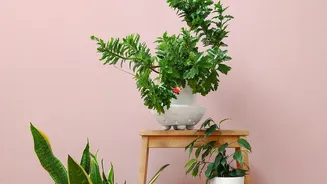
This elegant plant with its glossy dark leaves and white blooms is more than just a pretty face. Peace Lilies are known to be excellent at purifying the air. They thrive in high-humidity environments, making them a perfect companion for the monsoon season. While they won't single-handedly dehumidify a large room, they help by absorbing airborne pollutants and mould spores, contributing to cleaner, fresher-feeling air. They are also relatively low-maintenance and do well in the lower-light conditions common on overcast, rainy days. Place one in your living room or bedroom to improve air quality naturally.
2. The Snake Plant
Often called the most resilient houseplant, the Snake Plant is a champion of indoor air purification. It is particularly effective at filtering toxins from the air and is incredibly low-maintenance, thriving even with infrequent watering—a bonus during the damp monsoon when overwatering is a real risk. Some sources note its ability to absorb excess moisture, helping to create a less favorable environment for fungus. Its tall, architectural leaves add a modern touch to any room, making it a functional and stylish choice for tackling stale, humid air.
3. The Spider Plant
The cheerful and easy-to-grow Spider Plant is another powerhouse for improving indoor air. It's known for its ability to combat common indoor air pollutants. These plants are particularly good for beginners and are known to absorb moisture from the air. Their arching leaves help improve air circulation in their immediate vicinity. Place them in hanging baskets in corners or near windows to catch drafts and help filter the air as it moves, making your space feel less stuffy and more vibrant.
4. The Areca Palm
Bring a touch of the tropics indoors with the Areca Palm. These feathery palms are excellent natural air purifiers. According to some sources, they have a unique relationship with humidity, releasing moisture during dry spells and absorbing it when the air is overly damp, helping to balance the indoor environment. An Areca Palm can make a significant visual impact while working to clean the air you breathe, making it a beautiful and functional addition during the long monsoon months.
5. The Boston Fern
Ferns love moisture, and the Boston Fern is no exception. These plants thrive in humid conditions, like those found in a bathroom or a monsoon-season home. They are considered one of the best plants for humid environments and help to purify the air of pollutants that can accompany dampness, like mould spores. Their lush, dense foliage adds a vibrant splash of green and helps make the air feel cleaner and more pleasant, even when it’s grey and wet outside.
Clay and Charcoal: The Unsung Heroes
While plants are great for air quality, passive absorbers are your best bet for directly tackling moisture. Clay desiccants and charcoal are porous materials that naturally trap moisture from the air through a process called adsorption. Activated charcoal is particularly effective, with a vast surface area of tiny pores that soak up both moisture and odours. You can find these in the form of charcoal briquettes, bamboo charcoal bags, or clay desiccant packs. They are a silent, electricity-free, and natural alternative to a dehumidifier.
Putting Your Absorbers to Work
The key to using natural absorbers is strategic placement. Place small bowls of charcoal briquettes or clay packs in enclosed, damp-prone spaces like wardrobes, shoe racks, kitchen cabinets, and under sinks. This is where they work best, preventing that musty smell from developing on clothes and linens. Many of these absorbers are reusable. Once they feel saturated, you can 'recharge' them by placing them in direct sunlight for a few hours. The heat drives out the trapped moisture, making them ready to use again.