



More Than Just Aesthetics
For decades, the dominant fitness narrative for young people revolved around aesthetics: sculpted abs or a certain number on the scale, pursued through gruelling HIIT sessions. But a significant cultural shift is underway. Today's youth are trading the 'no
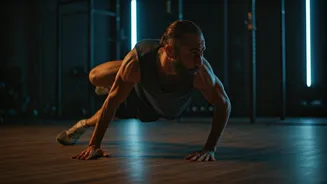
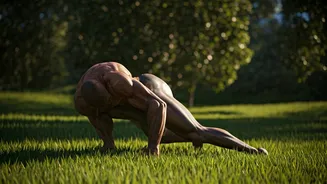
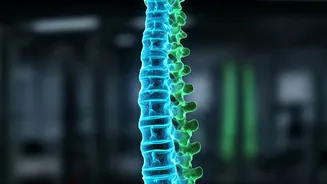
pain, no gain' mantra for a more sustainable philosophy: 'no pain now, no pain later'. They're not just training for next summer; they're training for a pain-free life in their 60s. This new paradigm values mobility, flexibility, and core strength as the true foundations of a healthy life, viewing a supple spine as a greater asset than a six-pack.
The 'Work From Home' Wake-Up Call
The global pandemic acted as a powerful catalyst. Suddenly, millions of young professionals found themselves hunched over laptops on makeshift desks for hours. The 'tech neck' and lower back pain that seemed like distant afflictions became an immediate reality. This sedentary lifestyle created a new, urgent awareness of physical well-being. The body, previously taken for granted, started sending painful signals. This wasn't just health anxiety; it was a practical response to the physical toll of modern work. Young people began seeking solutions not in painkillers, but in prevention, flocking to yoga and Pilates to counteract the damage.
Pre-hab, Not Rehab
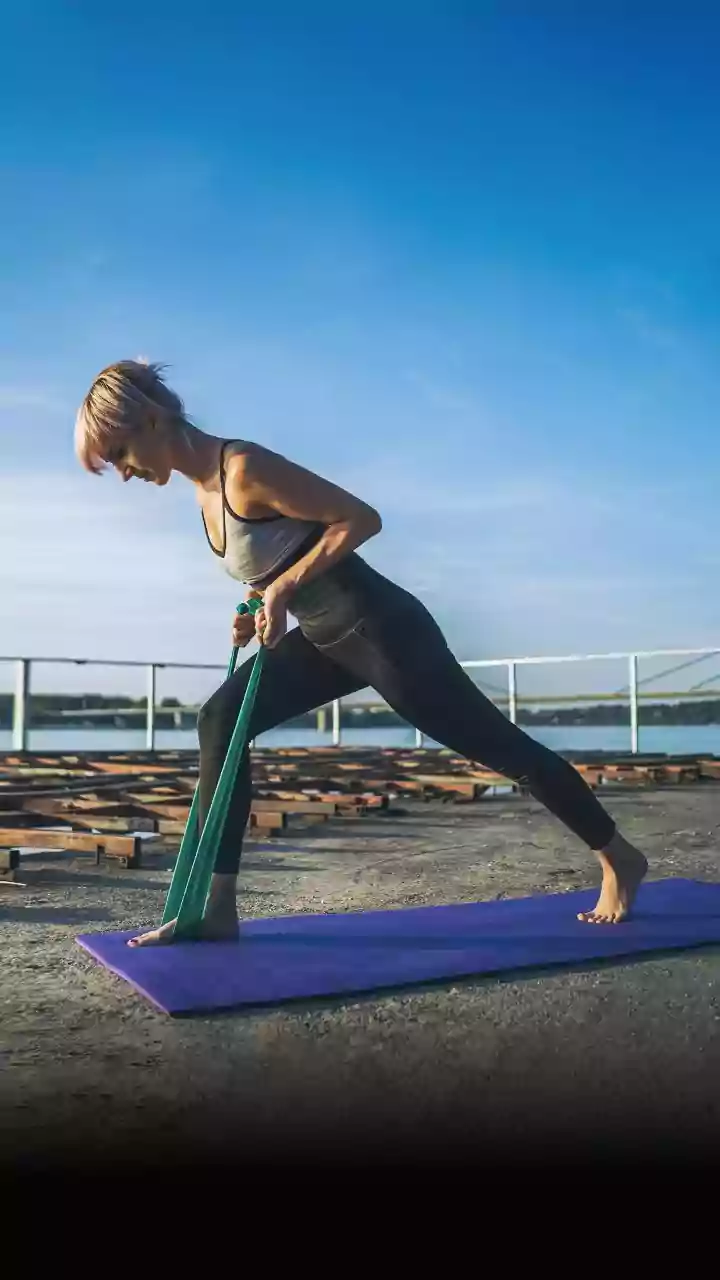
The new buzzword is "pre-habilitation." Unlike rehabilitation, which focuses on recovering from an injury, pre-hab is about proactively building strength and stability to prevent injuries from happening in the first place. It’s a strategic investment. Young people are learning about the importance of postural alignment and the dangers of muscle imbalances. Trainers report a surge in clients asking for exercises that improve posture and prevent the back problems they see their parents struggling with. This forward-thinking approach marks a profound shift from a reactive to a proactive model of health, inspired directly by the principles of healthy ageing.
The Instagram-Friendly Flex
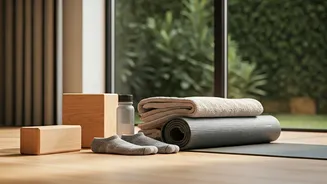
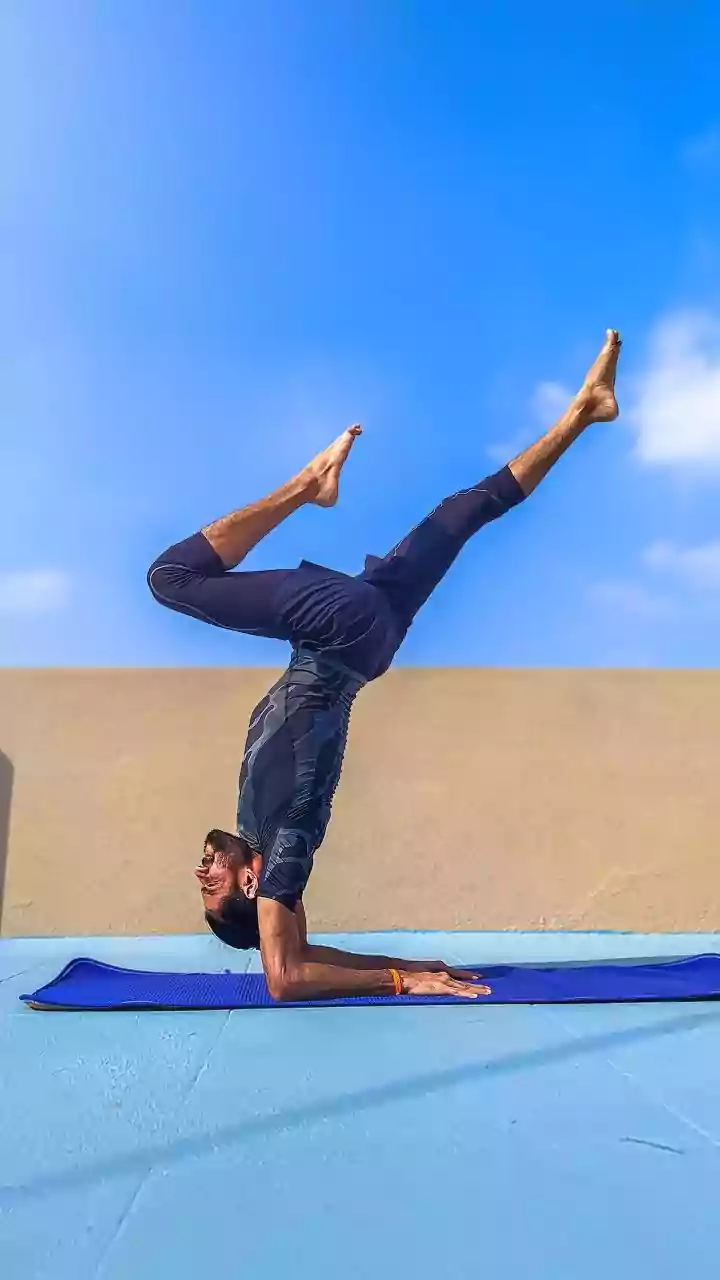
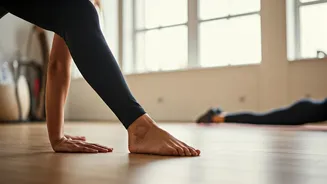
Social media has played a crucial role. While fitness influencers of the past might have focused on dramatic weight loss photos, today's wellness creators present a different picture. Their feeds are filled with aesthetically pleasing videos of sun-drenched yoga flows, controlled Pilates movements, and satisfying mobility drills. This content makes mindful movement look aspirational and accessible. The "that girl" aesthetic, a popular online trend, often includes a yoga mat and a chic workout set, cementing the idea that low-impact exercise is a key component of a successful life. It has transformed spine care from a boring necessity into a cool, shareable lifestyle.
A New Definition of Strength
Ultimately, this trend is about expanding the very definition of what it means to be strong. The old-school model equated strength with lifting heavy weights. The new, holistic model understands that true strength is also about control, balance, and resilience. It's the ability to touch your toes, to sit on the floor comfortably, and to get through a long flight without a stiff back. This is functional fitness in its truest sense—training the body to perform daily tasks with ease and without pain. By focusing on spinal health, young Indians are embracing a more intelligent vision of fitness that promises dividends for decades.