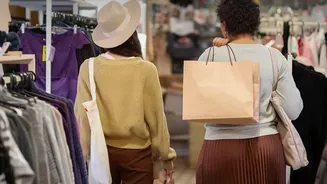

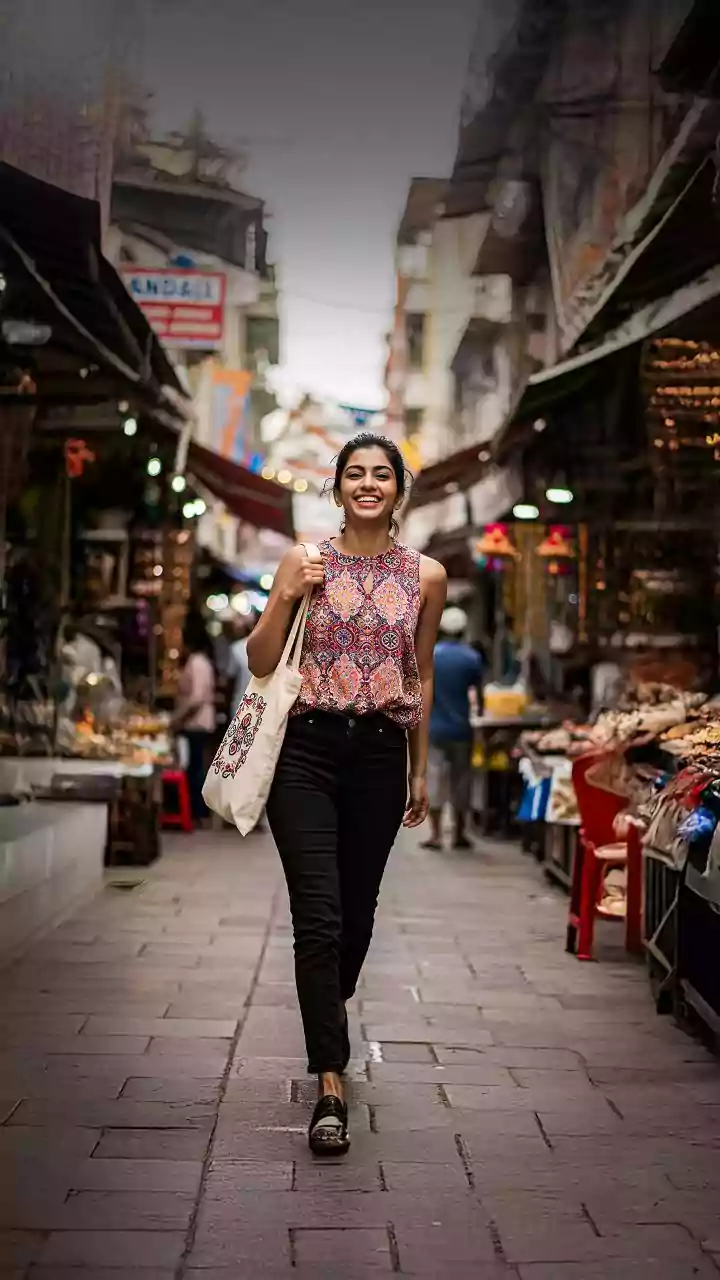


The Digital Shift from Flea Markets
Thrifting, or buying pre-loved clothing, is hardly a new concept in India, a country with deep-rooted traditions of resourcefulness. What has changed is where and how young people are doing it. The dusty flea market has been replaced by the vibrant, curated
world of online thrift stores, most of which thrive on platforms like Instagram. For a generation of digital natives, this shift is natural. It offers convenience, a wider selection, and access to unique pieces without leaving home, turning second-hand shopping into a chic, conscious choice rather than just a budget-friendly one.
Instagram: The New Thrifting Hub
Instagram has become the de facto marketplace for this movement. Store owners, often young entrepreneurs themselves, curate collections of pre-loved, upcycled, or factory-surplus garments. The process is a fascinating blend of e-commerce and social engagement. Sellers announce a 'drop' time for a new collection, building anticipation with teasers. Once the items go live, it’s a race against time, with buyers commenting 'book' or 'sold' to claim a piece. Payments are typically handled via DMs and UPI, creating a direct, personal shopping experience. This model thrives on exclusivity, as most items are one-of-a-kind.
A Stand Against Fast Fashion
A key driver of the thrifting boom is a growing disillusionment with fast fashion. Gen Z, in particular, is highly aware of the environmental and ethical toll of the industry, which is responsible for significant carbon emissions and textile waste. Thrifting presents a direct solution by promoting a circular economy. Giving a garment a second life reduces the demand for new production, conserves resources, and keeps clothing out of landfills. It’s a form of 'green consumption' that allows young shoppers to align their purchasing habits with their values, making sustainability a core part of their identity.
The Allure of Retro
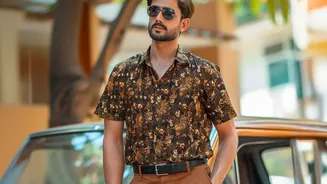
The trend beautifully converges with a widespread revival of retro aesthetics. Fashion is cyclical, and styles from the 70s, 80s, and 90s are making a huge comeback. Think bell-bottoms, oversized printed shirts, baggy denim, and vibrant patterns inspired by old Bollywood. Thrifting is the perfect way to access these authentic vintage looks. It allows for a level of self-expression and uniqueness that mass-produced clothing cannot offer. By mixing and matching pre-loved pieces, young people can curate a wardrobe that is not only stylish and nostalgic but also entirely their own, rejecting the uniform look of mainstream retail.
More Than a Transaction, It's a Community
Perhaps the most compelling aspect of this phenomenon is the sense of community. These online spaces are more than just stores; they are hubs where like-minded individuals connect over shared interests in fashion, sustainability, and creative expression. Store owners often build personal relationships with their customers, sharing styling tips and stories behind the clothes. Followers engage with each other, creating a supportive network. This social dimension transforms shopping from a solitary act into a collective experience, fostering a sense of belonging that is as valuable as the clothes themselves. It’s a movement built not just on what you wear, but what you believe in.