





An Unprecedented Expansion
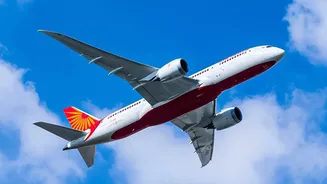
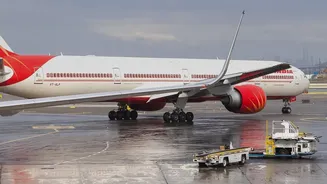
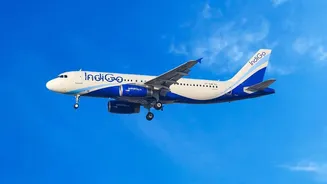
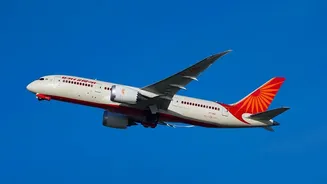
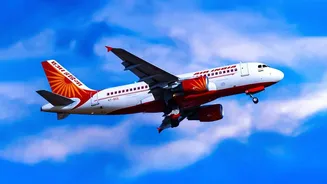
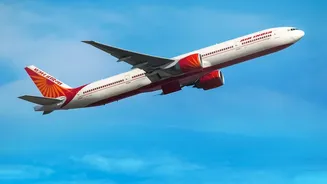
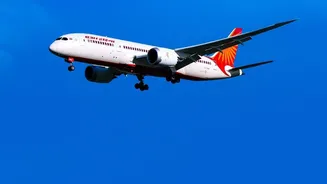
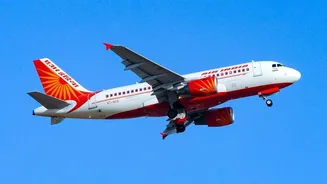
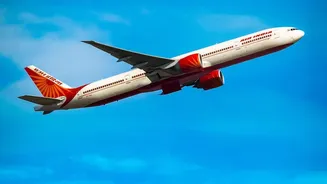
The numbers are staggering. According to Commerce Minister Piyush Goyal, India's airlines have a total requirement for over 2,000 new aircraft. With more than 1,200 already on order from carriers like IndiGo, Air India, and Akasa Air, the country is preparing
to order another 1,000 planes to meet the soaring demand. This plan reflects the enormous pressure on India's aviation infrastructure as passenger traffic grows at one of the fastest rates globally. Projections from consultancy Oliver Wyman suggest India's commercial fleet will grow at 7.1% annually through 2036, while manufacturers like Boeing and Airbus forecast the fleet to nearly triple or quadruple in the next couple of decades. This expansion is seen not as an option, but as a necessity to keep pace with the country's economic trajectory.
The Driving Force: A Nation on the Move
The demand for more planes is a direct consequence of India's economic growth and social change. A burgeoning middle class with rising disposable income is increasingly choosing air travel over railways for domestic journeys. The government's UDAN (Ude Desh ka Aam Naagrik) scheme has played a pivotal role, making flying more affordable and connecting dozens of smaller, previously unserved or underserved towns and cities. This has democratised air travel, shifting it from a luxury to a necessity for millions. The result is a surge in passenger numbers that existing fleets are struggling to accommodate, creating what Goyal describes as an 'acute' shortage of aircraft.
More Than Just Planes
Simply buying aircraft is only one part of the equation. A fleet of over 2,000 planes requires a massive support ecosystem. Projections indicate India will need to train approximately 45,000 new pilots and a similar number of technicians over the next two decades to fly and maintain these new jets. Furthermore, airport infrastructure needs a colossal upgrade. The government has already announced plans to develop 100 new airports over the next ten years, expanding on the network that has already grown from 74 airports in 2014 to over 150 today. This includes not just new terminals and runways but also a significant expansion of Maintenance, Repair, and Overhaul (MRO) facilities to service the growing fleet domestically.
Headwinds and Hurdles
Despite the ambitious plans, the path to expansion is not without turbulence. Indian airlines are currently grappling with over 160 grounded aircraft due to supply chain disruptions and engine issues, representing a significant portion of the current fleet. Global aircraft manufacturers like Boeing and Airbus are facing huge order backlogs, leading to long waiting times for deliveries, with some Indian orders not expected to be fulfilled until as late as 2034. The industry also faces persistent challenges, including high aviation fuel costs, a shortage of experienced pilots, and intense financial pressure on airlines. Overcoming these hurdles will be critical to turning the vision of a vastly expanded fleet into a reality.
The 'Make in India' Vision
Beyond just operating more flights, the government's ambition extends to building a self-reliant aviation ecosystem. There is a concerted push to develop indigenous aircraft manufacturing and design capabilities within the next few years. This aligns with the broader 'Make in India' initiative, aiming to reduce dependence on foreign manufacturers and position India as a global aerospace hub. The government is also promoting aircraft leasing and financing through GIFT City to provide domestic solutions for an industry where over 85% of the fleet is currently leased. The goal is not only to fly more passengers but to create a robust, end-to-end aviation industry on Indian soil.