



Rethink Your Water Source
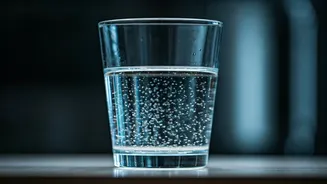
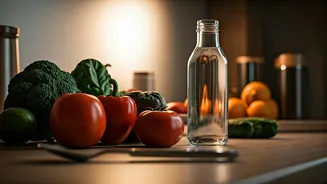
One of the most significant sources of microplastic ingestion is bottled water. Studies have consistently shown that bottled water can contain hundreds, sometimes thousands, of plastic particles per litre, often from the bottle and cap themselves. While
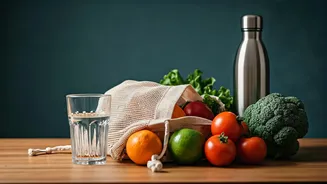
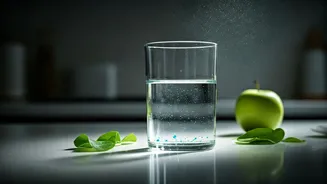
tap water is not entirely free of microplastics, research indicates it generally contains significantly lower levels. The process of bottling and the plastic itself contribute to the higher particle count. A simple switch to filtered tap water can drastically cut your intake. Using a water filter pitcher can further reduce contaminants, including some microplastics. For hydration on the go, choose a reusable bottle made of glass or stainless steel instead of buying single-use plastic bottles.
Wash Your Rice and Grains
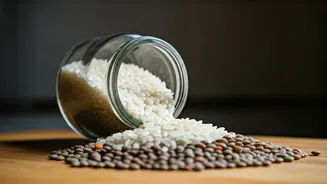
Rice is a staple food for billions, but studies have found it can contain microplastics, regardless of whether it's sold in plastic or paper bags. The contamination can happen during processing and transport. However, a simple action can make a big difference. Research has shown that washing uncooked rice before cooking can reduce microplastic content by up to 40%. This easy step not only helps remove surface starch for fluffier rice but also washes away a significant portion of plastic particles. It's worth noting that instant or pre-cooked rice has been found to contain up to four times more plastic than its uncooked counterpart, likely due to the additional industrial processing involved. Whenever possible, opt for uncooked rice and give it a thorough rinse.
Choose Kitchen Tools Wisely
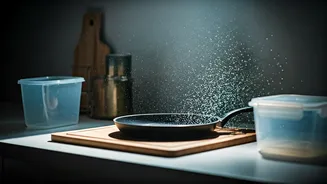
Your kitchen utensils and surfaces can be an unsuspecting source of microplastics. Plastic cutting boards are a major culprit. With every chop, knife blades can shave off tiny fragments of plastic that mix directly into your food. Studies estimate this can release millions of particles per year. A safer alternative is a solid wood or bamboo cutting board. Wood is naturally antimicrobial and doesn't shed synthetic particles. Similarly, avoid using plastic cooking utensils, especially in hot pans, as heat can accelerate the release of plastics. Opt for tools made from stainless steel, wood, or silicone.
Beware of Plastic Tea Bags
A relaxing cup of tea could be delivering a high dose of microplastics. Many tea bags, especially the pyramid-shaped 'silken' ones, are made of plastics like nylon or PET. When steeped in hot water, a single one of these bags can release billions of micro- and nanoplastic particles into your cup. Even standard paper tea bags often use a polypropylene-based plastic sealant to hold them together. The safest way to enjoy your tea is to switch to loose-leaf tea. Use a stainless steel or ceramic infuser to brew your tea, ensuring you're only steeping the leaves and not unwanted plastics.
Be Selective with Salt
Due to widespread ocean pollution, sea salt is often contaminated with microplastics. Studies from around the globe have detected plastic particles in numerous sea salt brands. This is largely because much of the world's sea salt is produced by evaporating seawater, which concentrates the plastics left behind. While no salt is entirely free of microplastics, some studies suggest that rock salt or salt mined from underground deposits may contain lower levels than sea salt. When buying salt, also consider the packaging. Choosing salt packaged in cardboard or glass rather than plastic can help reduce another potential source of contamination.
Minimise Plastic Packaging and Storage
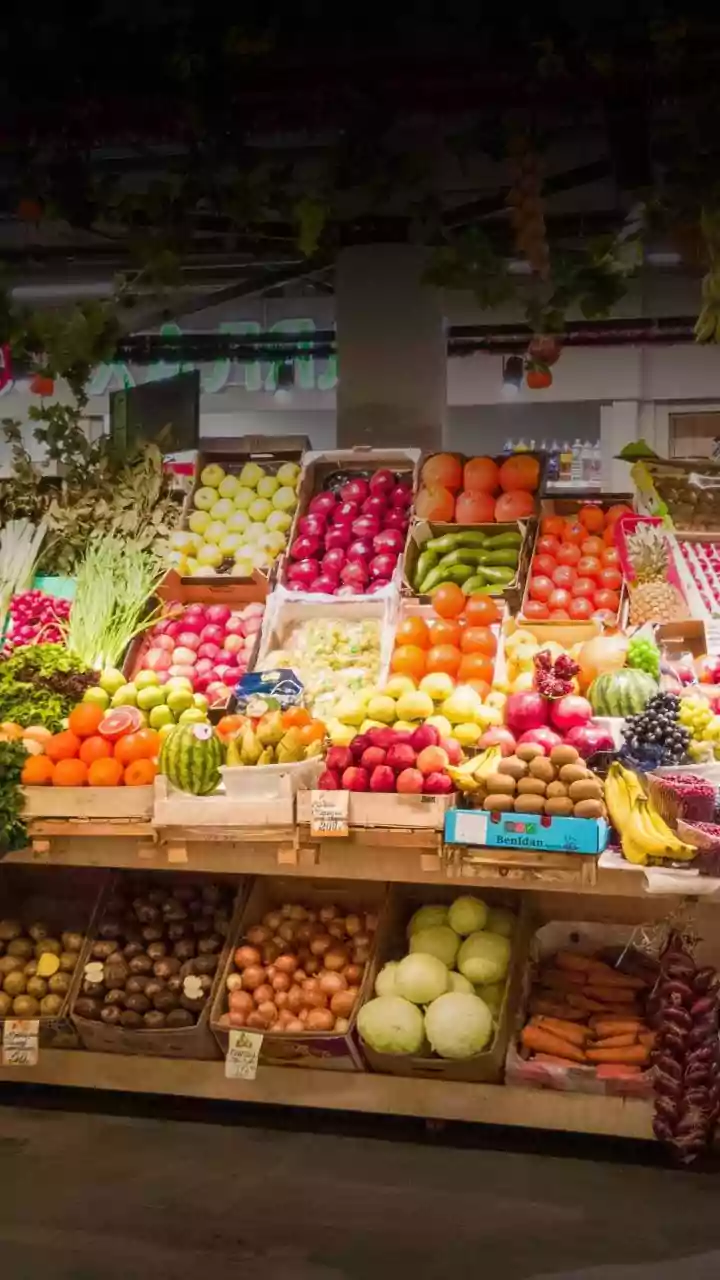
Food packaging is a major pathway for microplastic contamination. Try to choose fresh, unpackaged foods whenever possible. Opt for fruits and vegetables loose rather than in plastic bags or containers. When it comes to storage at home, avoid keeping food, especially fatty or oily foods, in plastic containers for long periods. Never heat food in plastic containers in the microwave, as heat can cause chemicals and microplastics to leach into your meal. Instead, use glass or ceramic containers for both storage and reheating. These small changes in how you buy and store food can collectively reduce your daily exposure.