









Before You Leave Home: The Pre-Commute Check
A smooth monsoon commute begins before you even step out the door. The first rule is to check your vehicle. Ensure your tyres have adequate tread depth to grip slippery roads. [12, 14] Test your brakes, as wet conditions increase stopping distances. [6,
8] It’s also crucial to replace worn-out wiper blades for clear visibility. [14] Beyond your vehicle, prepare a small emergency kit. An umbrella, a waterproof bag for your electronics, a power bank, and a towel can be lifesavers. [6] Finally, use technology to your advantage. Before leaving, check weather apps for real-time rain updates and use map applications to see live traffic conditions and potential waterlogged routes. Following official traffic police social media handles can also provide invaluable alerts. [15]
On The Road: Mastering The Monsoon Drive
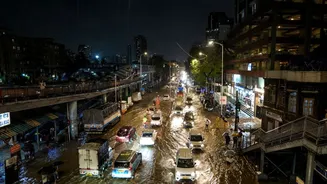
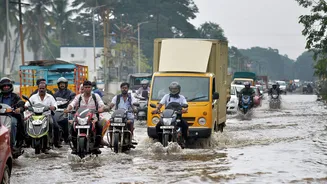
Driving during a downpour requires a significant shift in your approach. The most critical advice is to reduce your speed. Roads are slipperiest during the first rains of the season. [12] Keeping your speed below 50 km/h in heavy rain helps prevent hydroplaning, where a layer of water builds up between your tyres and the road, leading to a loss of control. [5] Double the usual distance between your car and the vehicle in front to allow for longer braking times. Always use your low-beam headlights, day or night, to improve your visibility and ensure others can see you. [5, 8] Avoid large puddles and waterlogged areas as much as possible; you never know how deep they are or what hazards might be hidden beneath the surface. [12] If you encounter a flooded stretch and are unsure of the depth, it’s always safer to find an alternate route. [14]
Navigating Public Transport and Last-Mile Woes
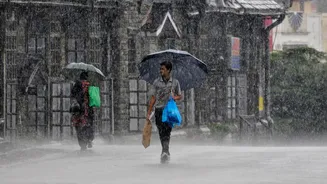
If you rely on public transport like buses, metro, or auto-rickshaws, the monsoon presents a different set of hurdles. Expect delays and larger crowds. Build extra buffer time into your schedule. [28] For metro commuters, the main challenge is often the last-mile connectivity from the station to your home or office. Auto-rickshaw and cab fares may surge, and availability can be scarce. Consider carpooling with colleagues or having a backup plan, like a trusted local taxi service. Wearing waterproof footwear is a must, as you may have to navigate puddles and muddy footpaths. Keep your belongings in a waterproof bag to protect them from the rain while waiting or moving between transport modes. Remember that patience is your greatest ally when navigating the unpredictable nature of public transport during heavy rains.
What To Do If You Get Stuck
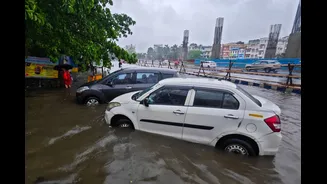
Despite the best planning, getting stuck is a real possibility. If your car stalls in a waterlogged area, do not attempt to restart the engine. [5] This can cause a 'hydrostatic lock', leading to severe and expensive engine damage. [5] It's safer to put your hazard lights on, exit the vehicle if the water level is low and it's safe to do so, and call for roadside assistance. If you're caught in a massive traffic jam, ensure you have enough fuel to keep the engine and air conditioning running if needed. [6] This is why it’s always wise to start your journey with a nearly full tank during the monsoon. [6] Keep emergency contact numbers handy, and inform your family or colleagues about your situation and location.
Monsoon Commuting: A Mindset Shift
Ultimately, surviving the monsoon commute is about adjusting your mindset. The India Meteorological Department has confirmed the monsoon's advance across northern states, and authorities in cities like New Delhi are already taking measures like banning road-cutting works to prevent waterlogging. [11, 27] However, individual preparedness remains key. Accept that journeys will take longer. Prioritise safety over speed. Be more considerate to pedestrians and two-wheeler riders, who are more vulnerable in the rain. [12] By combining smart preparation, cautious driving, and a patient attitude, you can turn a potentially stressful daily ordeal into a manageable part of the season.