





An Unexpected Urban Spectacle
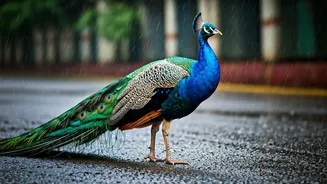
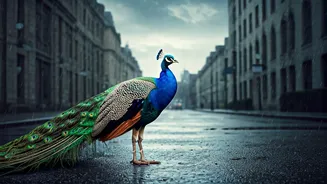
In recent days, social media has been alive with images that seem almost surreal: a peacock perched on a balcony in Mumbai, another strutting calmly down a major road as traffic passes by. Following the arrival of the southwest monsoon, residents in cities
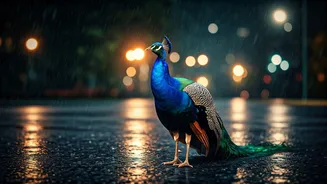
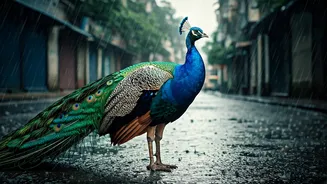
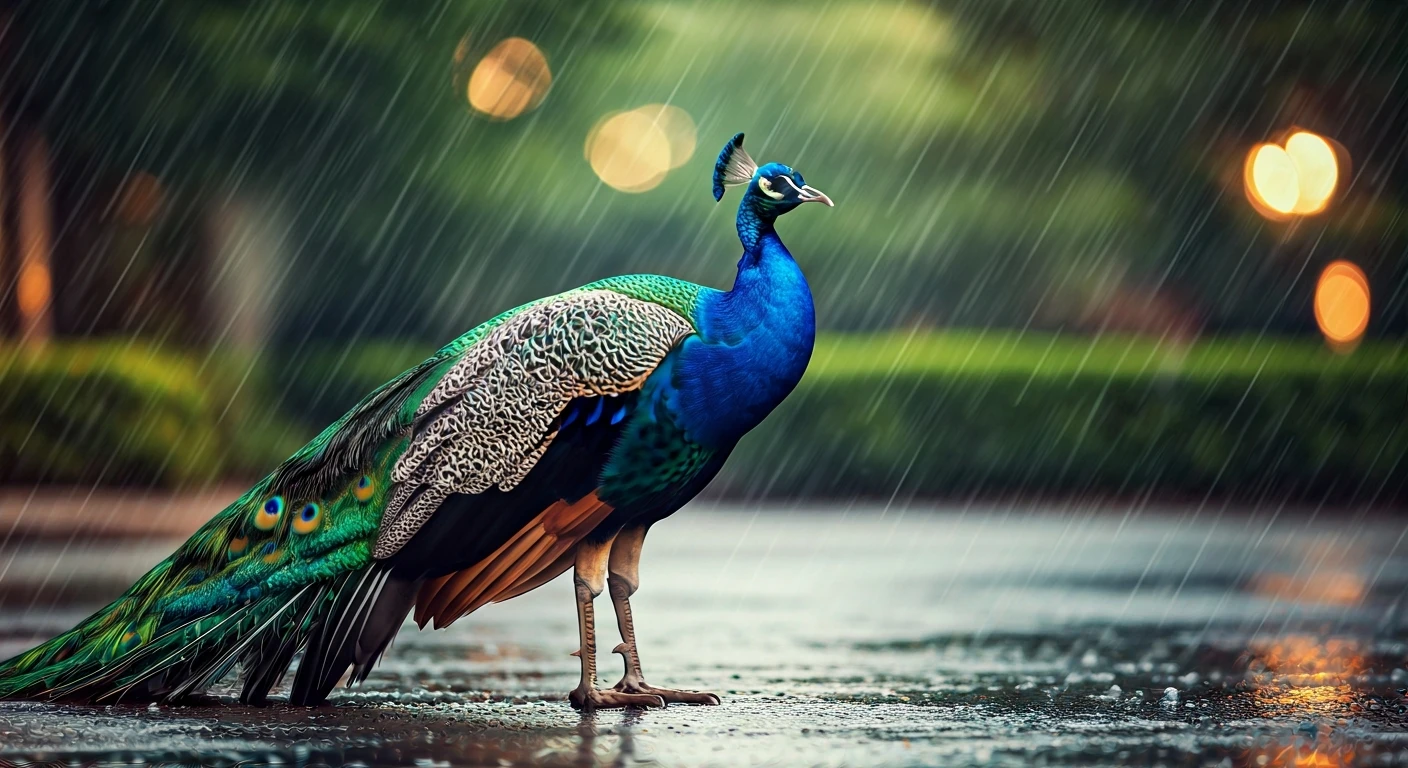
like Mumbai have been treated to these delightful appearances. On June 24, a peacock and peahen were spotted on Pedder Road, a busy thoroughfare in South Mumbai, capturing the imagination of the city. Videos of the birds, seemingly unbothered by their concrete surroundings, went viral, with many Mumbaikars calling the sight a beautiful and welcome surprise. These sightings, while rare in such heavily trafficked areas, are becoming a cherished part of the seasonal change.
Why the Monsoon Brings Them Out
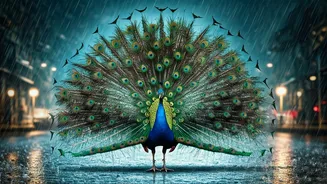
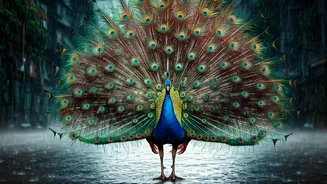
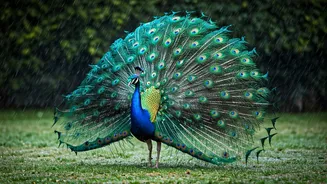
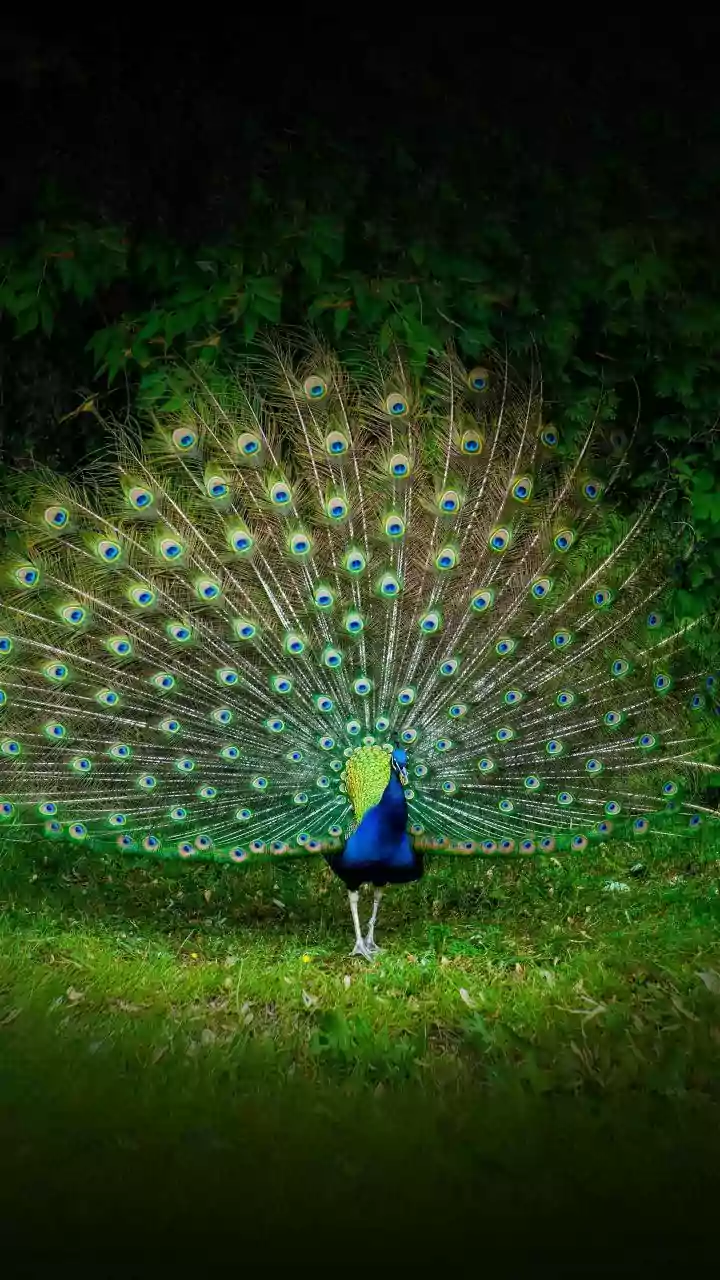
The link between peacocks and the monsoon is not just a poetic coincidence; it is deeply rooted in biology. The rainy season, which in most of India spans from roughly April to September, is the peafowl's breeding season. The iconic 'dance' of the peacock, where it fans its magnificent train feathers, is a courtship display designed to attract a peahen. This elaborate ritual, complete with feather-rattling and calls, is the bird's way of demonstrating its fitness as a mate. The monsoon brings with it an abundance of food, such as insects and fresh green shoots, which is crucial for the survival of their chicks. The increased humidity and cooler temperatures prompt this flurry of activity, making the birds more visible as they seek partners.
A Dance as Old as Time
The connection between the peacock and rain is woven into the fabric of Indian culture and mythology. For centuries, the peacock's dance has been seen as a harbinger of the life-giving monsoon. In Hindu mythology, the bird is associated with deities like Lord Krishna, who wore its feather in his crown, and Saraswati, the goddess of wisdom. The peacock is a symbol of grace, beauty, and prosperity. Ancient texts and poetry celebrate the bird's joyous reaction to the rain clouds. The sight of a peacock dancing is widely considered auspicious, a sign of joy and renewal that mirrors the land's own transformation from parched brown to lush green.
Cities as Accidental Sanctuaries
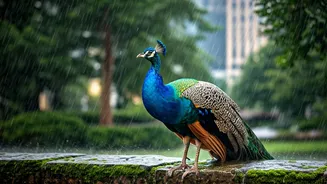
While peacocks are traditionally birds of open forests and scrublands, their increasing presence in urban areas is a fascinating development. Their populations have been reportedly rising in many parts of India, partly due to their protected status as the national bird. Cities, with their large green pockets, parks, and quieter residential colonies, can serve as effective, if unintentional, habitats. In Mumbai, for instance, many believe the peacocks seen on city streets venture out from nearby green zones like Malabar Hill or the vast, wooded grounds of Doongerwadi. These birds are highly adaptable and have learned to coexist with human activity, finding food and shelter in the urban landscape. Their growing fearlessness allows for these magical, fleeting encounters between city dwellers and the wild.