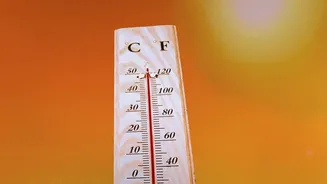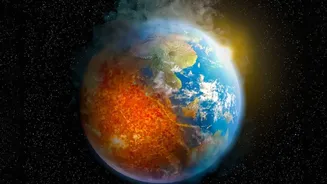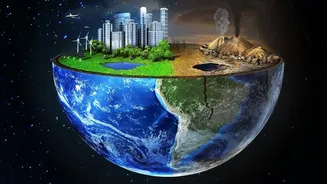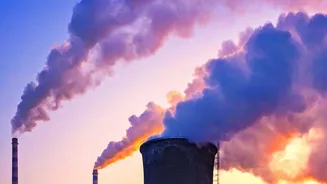







The world’s goal to limit global warming to 1.5°C is on life support. Sobering new reports from the United Nations, released at the COP31 climate conference in Türkiye, warn that a persistent stall in global climate action is closing the window to act.
A Stark Warning from the UN
Multiple scientific reports presented at the UN climate conference (COP31) in Antalya, Türkiye, have delivered a grim assessment. According to the independent Climate Action Tracker, collective climate action has effectively stalled for five consecutive years. This stagnation means the progress made in the first five years after the 2015 Paris Agreement has ceased. The UN Environment Programme's (UNEP) latest Emissions Gap Report states that a temporary breach of the 1.5°C warming limit is now 'inevitable'. Current national climate pledges, even if fully met, put the planet on a trajectory for a 2.6°C temperature rise by the end of the century, a level that scientists agree would have catastrophic consequences.
Why Is Global Action 'Stalled'?
The stall is not due to a single cause but a combination of factors. A major issue is the 'implementation gap', where ambitious long-term net-zero goals are not backed by concrete short-term policies. A UN report highlighted that financial support from wealthy nations to help developing countries adapt has been flat or falling since 2022, creating a trust deficit and hindering progress. Furthermore, geopolitical tensions and economic headwinds have diverted political attention, while many major economies continue to subsidize fossil fuels. While there are positive signs, such as India and China deploying renewable energy at a record pace, these are often cancelled out by setbacks, leading to five years of net-zero progress on bending the emissions curve.
The Significance of 1.5°C
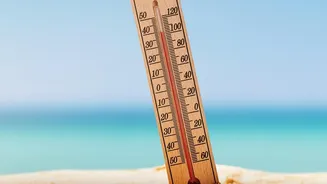
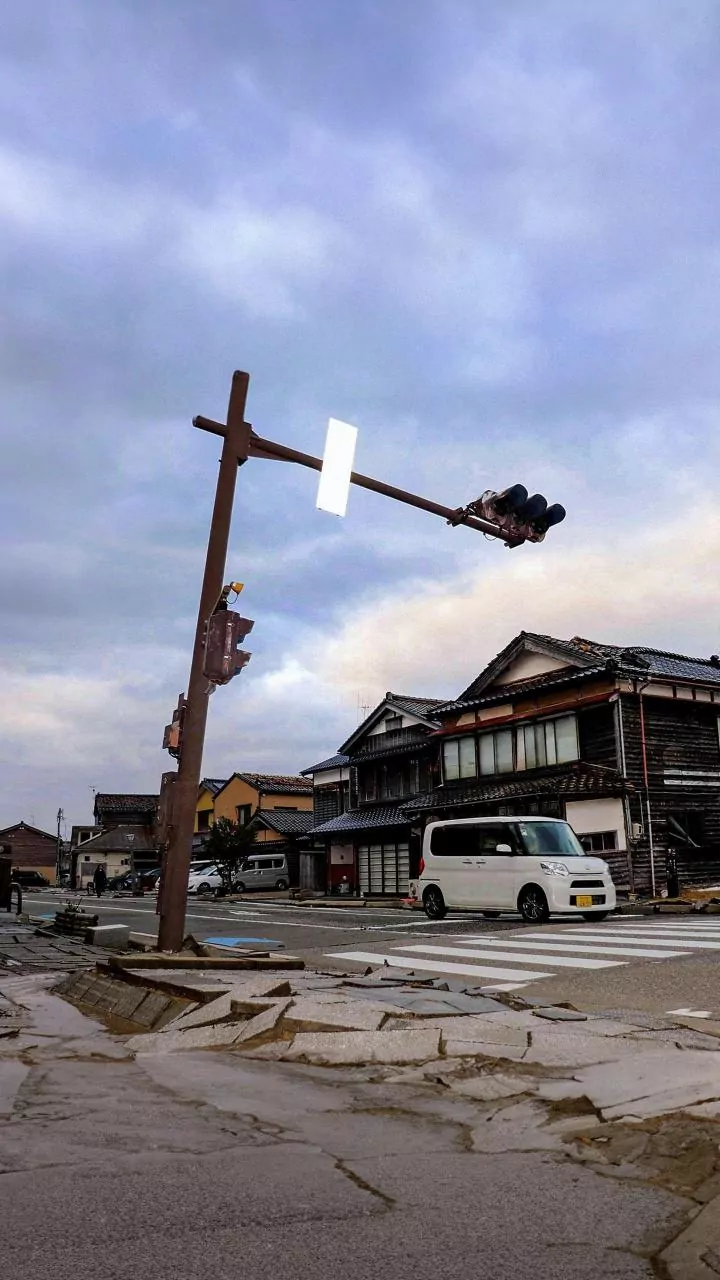
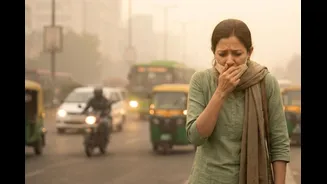
The 1.5°C target is the scientifically determined guardrail beyond which climate impacts become exponentially more severe. For a nation like India, the stakes are immense. Crossing this line means more frequent and intense heatwaves, threatening public health and agriculture. It leads to more erratic monsoons, causing both devastating floods and severe droughts. Melting Himalayan glaciers would disrupt water supplies for hundreds of millions, and rising sea levels would endanger coastal cities like Mumbai and Kolkata. The UN reports serve as a critical reminder that failing to meet the 1.5°C goal threatens lives, livelihoods, and economic stability across the subcontinent.
Is There Still a Path Forward?
While the outlook is bleak, the reports stress that the goal is to now minimize the duration and magnitude of the 'overshoot' above 1.5°C and return to it by the end of the century. This requires an immediate and radical acceleration of climate action. UNEP calls for global greenhouse gas emissions to be slashed by 45% by 2035 compared to 2025 levels—a far cry from the 11–15% reduction projected under current pledges. This necessitates a massive scale–up of renewable energy, a swift phase–out of fossil fuel subsidies, and transformative changes in industry and transport. The success of the COP31 conference in Türkiye and future summits will depend on whether world leaders heed this urgent call and translate stalled pledges into credible, immediate action.