


The Hidden Dangers in Damp Paws
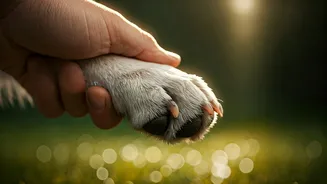
A dog's paws are their connection to the world, but they are also highly susceptible to problems when consistently damp. The spaces between their paw pads are warm, dark, and, after a walk in the rain, moist. This creates an ideal breeding ground for
bacteria and yeast. Fungal infections, often caused by an overgrowth of yeast, can lead to intense itching, redness, and a distinct, unpleasant odour. Similarly, bacteria can thrive in the damp environment, potentially causing painful infections known as pododermatitis. Constant moisture also softens the paw pads, making them more prone to cracks, cuts, and abrasions from rough surfaces. This is why a simple post-walk wipe-down is more than just a matter of cleanliness; it's a critical health measure.
Watch for These Warning Signs
Our dogs can't tell us when their feet are bothering them, but they show us through their behaviour. Being vigilant allows you to catch problems early before they become serious. The most common sign of a paw issue is excessive licking or chewing. If you notice your dog is suddenly obsessed with cleaning their paws, it's a major red flag. Other signs to watch for include redness or inflammation between the toes and pads, swelling, a foul or 'cheesy' smell, and any discharge. You might also notice your dog limping or showing reluctance to walk or put weight on a particular paw. Catching these symptoms early can mean the difference between a simple cleaning routine adjustment and a prolonged, expensive visit to the vet.
Your Post-Walk Cleaning Routine
Establishing a consistent and effective cleaning routine is the best defence. The goal is to remove dirt, allergens, and excess moisture without irritating the skin. Keep a designated 'paw station' near your door with a towel, a shallow basin of lukewarm water, and a soft cloth. When you return from a walk, have your dog sit while you gently dip each paw into the water. Use your fingers to carefully work away any mud or debris from between the pads. For general cleaning, water is usually sufficient. If you do use a cleanser, ensure it is a mild, dog-specific shampoo to avoid stripping the natural oils from their skin. Avoid human soaps or harsh detergents at all costs, as they can cause severe irritation.
Drying: The Most Important Step
Cleaning the paws is only half the battle; drying them thoroughly is the step that truly prevents infections. Leaving paws damp, even if they are clean, recreates the very environment you're trying to avoid. Use a soft, absorbent towel to pat the paws dry. Pay special attention to drying the nooks and crannies between the toes and pads, as this is where moisture loves to hide. For dogs with long fur, you may need to be extra diligent. Some owners of long-haired breeds even use a hairdryer on a low, cool setting to ensure the area is completely dry, but be extremely careful to avoid burns and to ensure your dog is comfortable with the noise. Remember, moisture is the enemy.
Preventative Care for Resilient Paws
Beyond cleaning, a few preventative measures can make a big difference. Keep the fur between your dog's paw pads trimmed short. Long hair traps moisture, dirt, and debris, increasing the risk of matting and infections. You can do this at home with caution or ask your groomer. For dogs with sensitive pads, consider applying a protective paw balm or wax before walks. These products create a breathable barrier against water, salt, and rough surfaces. In extremely muddy or wet conditions, dog booties can offer the ultimate protection, though not all dogs will tolerate them. A little patience and positive reinforcement can help them get used to the idea of wearing 'raincoats' for their feet.