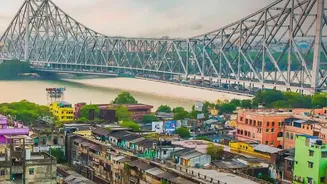

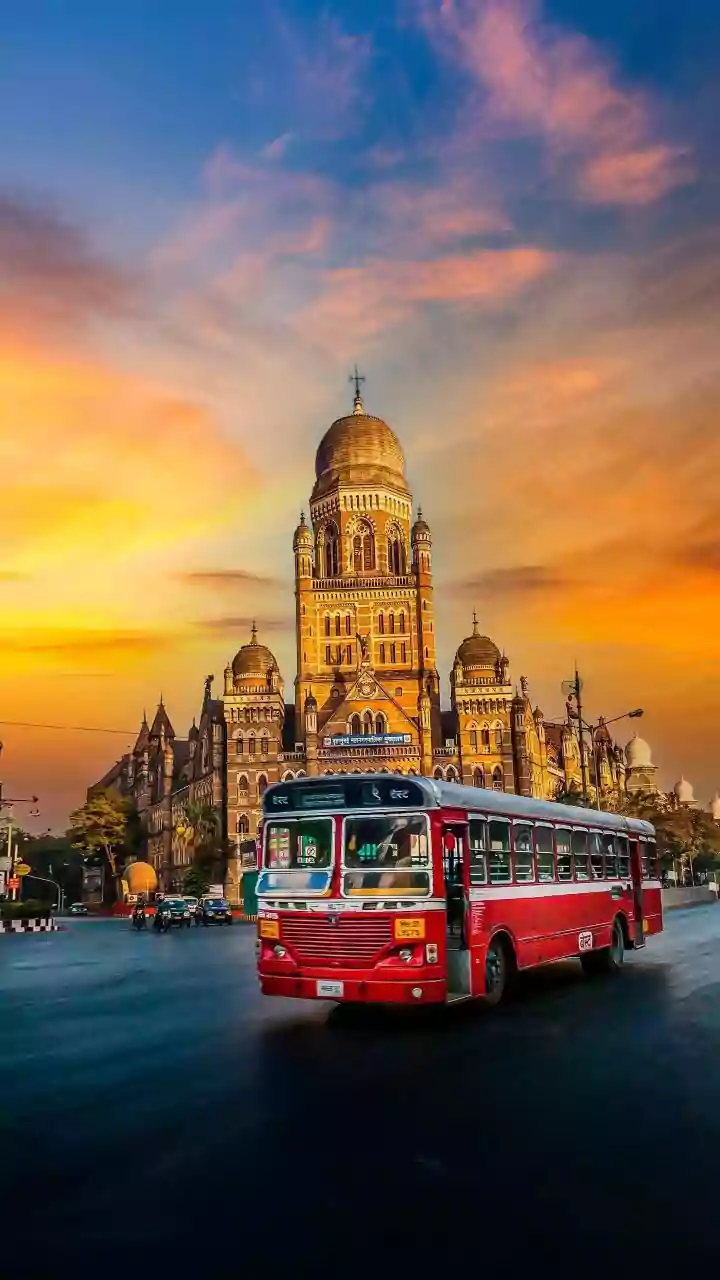


Cities, like people, collect nicknames. But why is Kolkata, the cultural heart of West Bengal, often called the 'London of India'? The answer is written in stone and steel across the city's skyline, a lasting echo of its imperial past.
The Imperial Imprint
The story begins
when Kolkata, then known as Calcutta, became the capital of British India in 1772. For nearly 140 years, until the capital shifted to Delhi in 1911, it was the most important city in the British Empire after London itself. This status meant that the British invested heavily in shaping Calcutta into a grand administrative, commercial, and cultural hub, modelling its urban planning and architecture on their own capital. The city on the Hooghly River was intended to be a mirror, in many ways, of the city on the Thames, cementing its role as the 'second city' of the Empire.
A Tour of 'London' in Kolkata
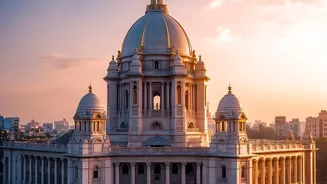
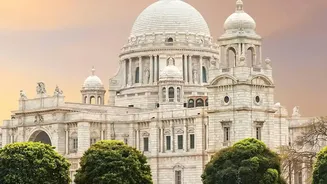
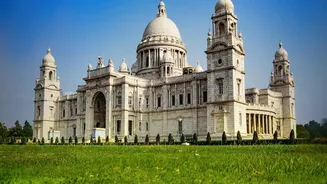
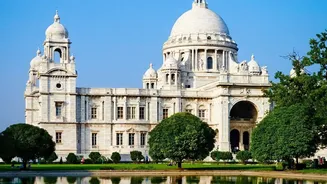
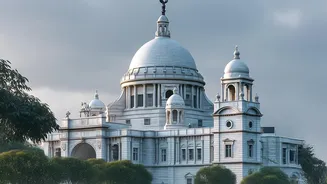
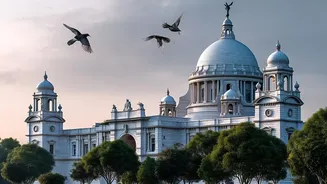
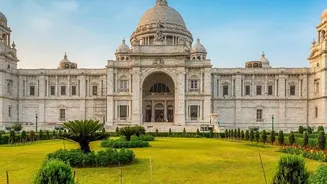
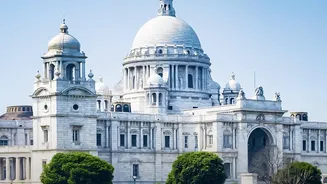
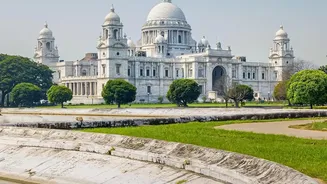
The most compelling evidence for the nickname lies in Kolkata’s stunning collection of colonial buildings. A walk through the city's central district reveals a landscape filled with Neoclassical, Gothic Revival, and Victorian styles. The Victoria Memorial, a majestic white marble monument to Queen Victoria, blends Indo-Saracenic and British architectural elements, creating a landmark that rivals any in Europe. St. Paul's Cathedral, with its towering spire and Gothic Revival design, was directly inspired by Norwich Cathedral in England. The Writers' Building, a massive Greco-Roman structure that once housed the clerks of the East India Company, and the Calcutta High Court, a neo-Gothic masterpiece, further strengthen the comparison. These buildings were not just functional; they were statements of imperial power designed to evoke a sense of London's grandeur.
Beyond the Bricks and Mortar
The resemblance to London wasn't just architectural. The British introduced other features that added to the city's European feel. Kolkata is the only city in India that still operates a tram network, a mode of transport that once crisscrossed London's streets and gives parts of the city a distinctly old-world charm. The culture of exclusive social clubs, like the Royal Calcutta Golf Club (the oldest outside of Britain) and the Bengal Club, also mimics the gentlemen's clubs of London. Even the city’s layout, with its wide avenues and sprawling Maidan, was part of a conscious effort to design a city fit for an empire.
A City Beyond Its Colonial Nickname
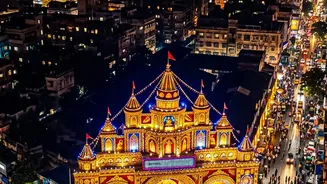
While 'London of India' points to a significant part of its history, the nickname doesn't capture the full soul of modern Kolkata. Today, the city is equally, if not more famously, known as the 'City of Joy'. This name, popularized by Dominique Lapierre's 1985 novel, speaks to the city's resilient spirit, intellectual fervour, and the warmth of its people who find happiness amid life's challenges. Kolkata’s identity is deeply rooted in its vibrant Bengali culture, its legacy of literature and arts, and its passionate discussions over everything from politics to cinema. The colonial architecture provides a magnificent backdrop, but the heart of the city beats to a distinctly Indian rhythm.
The Global Power of Architectural Nicknames
Kolkata's story is part of a global phenomenon where architecture defines a city's brand. Just as Kolkata is likened to London, other cities have earned similar comparative titles. Bucharest was once called 'Little Paris' for its elegant Neoclassical architecture, while cities from Amsterdam to Stockholm are dubbed a 'Venice of the North' for their extensive canal systems. These nicknames serve as a shorthand, instantly creating an image in a traveller's mind. They highlight how buildings do more than provide shelter; they create a powerful sense of place and identity that can echo across continents and centuries, shaping how the world sees a city and how a city sees itself.