



Start With a Festive Inventory Check
Before you rush to the store, take a full audit of your pantry at least a week before the festivities begin. Check your staples like rice, lentils, ghee, sugar, and various flours such as besan and maida. Go through your spice collection; ground spices
tend to lose their potency after 6-12 months. Make a dedicated list of festival-specific items you'll need, like saffron, special dry fruits, or edible silver foil. This simple act of creating a checklist prevents last-minute panic-buying and ensures you only purchase what you truly need, cutting down on potential waste and saving money. Create a separate, easily accessible box or zone for these special items to avoid them getting lost in the daily clutter.
The Airtight Strategy for Spices and Flours
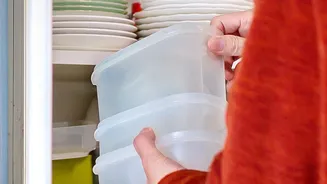
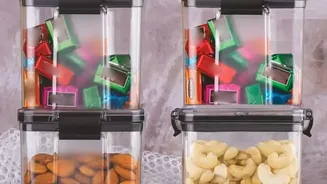
Moisture and air are the primary enemies of freshness in an Indian kitchen, especially during humid weather. To protect your bulk purchases of atta, maida, and other flours from pests and spoilage, transfer them from bags into large, airtight containers. Stainless steel or food-grade plastic containers are ideal for this. For spices, the rule is simple: keep them away from heat, light, and air to preserve their essential oils and aroma. While a traditional masala dabba is perfect for daily-use powders, store the larger backup quantities in smaller, airtight glass or steel jars in a cool, dark cabinet—never near the stove. Buying whole spices and grinding them in small batches as needed will also guarantee the most potent flavour in your festive dishes.
Smart Storage for Festive Sweets and Snacks
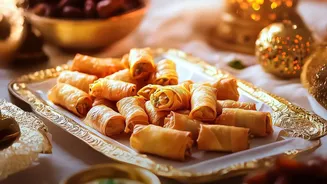
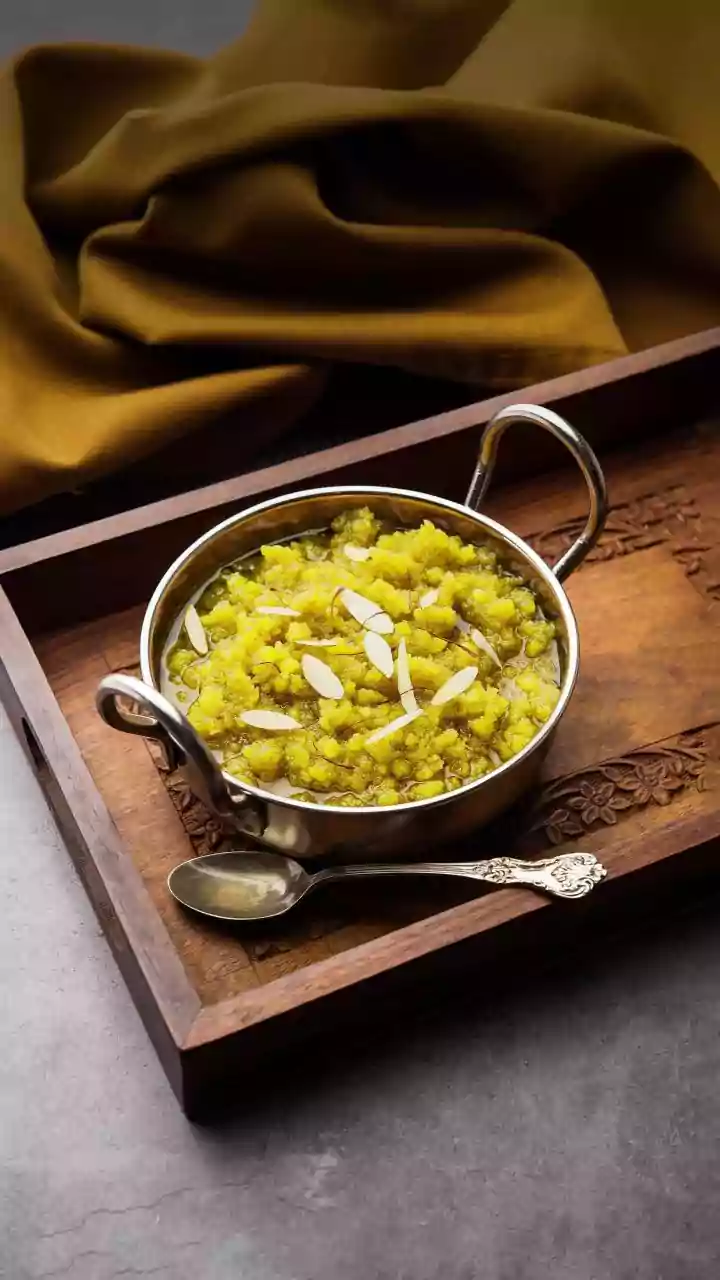
Homemade laddoos, barfis, and chaklis are the essence of festive indulgence, but their freshness can be fleeting. The storage method depends on the type of sweet. Milk-based mithai like peda or kalakand are best stored in the refrigerator and should be consumed within a few days. Drier sweets made from besan, dry fruits, or coconut have a longer shelf life and can be kept at room temperature in airtight containers. For fried snacks like namak para or samosas, let them cool completely before storing them in airtight tins or jars to retain their crispiness. Separating different types of sweets and snacks prevents their flavours from mingling and helps maintain their original texture.
Mastering Your Fridge and Freezer
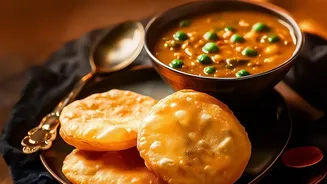
Your refrigerator is a key player in managing festive cooking. To make the most of it, dedicate space for prep work. Gravy bases, such as onion-tomato masala, can be prepared in advance and refrigerated for a few days. Chopped vegetables for dishes can also be stored in sealed containers in the fridge. This not only saves you immense time on the main festival days but also keeps your countertops clear for final preparations. Don't underestimate the freezer either. Dough for puris or mathris, and even some uncooked snacks, can be frozen. Properly wrap items to prevent freezer burn. This allows you to spread out your cooking tasks over several days, transforming a frantic experience into a manageable and enjoyable one.
Handling Fresh Produce and Leftovers
Fresh ingredients like coriander, mint, and green chillies are vital for garnishing and flavour. To keep herbs fresh, wrap their stems in a damp paper towel and store them in the fridge. Curry leaves can be stored in an airtight container in the refrigerator to prolong their life. When the celebrations are over, dealing with leftovers creatively is the final step in efficient management. Instead of letting food go to waste, plan for how to reuse it. Leftover rice can be turned into flavourful fried rice, while uneaten sabzis can become fillings for parathas or sandwiches. Freezing portions of curries or dals is another excellent way to ensure nothing is wasted, giving you a quick meal for a later date.