








The Allure vs. The Reality of Monsoon Travel
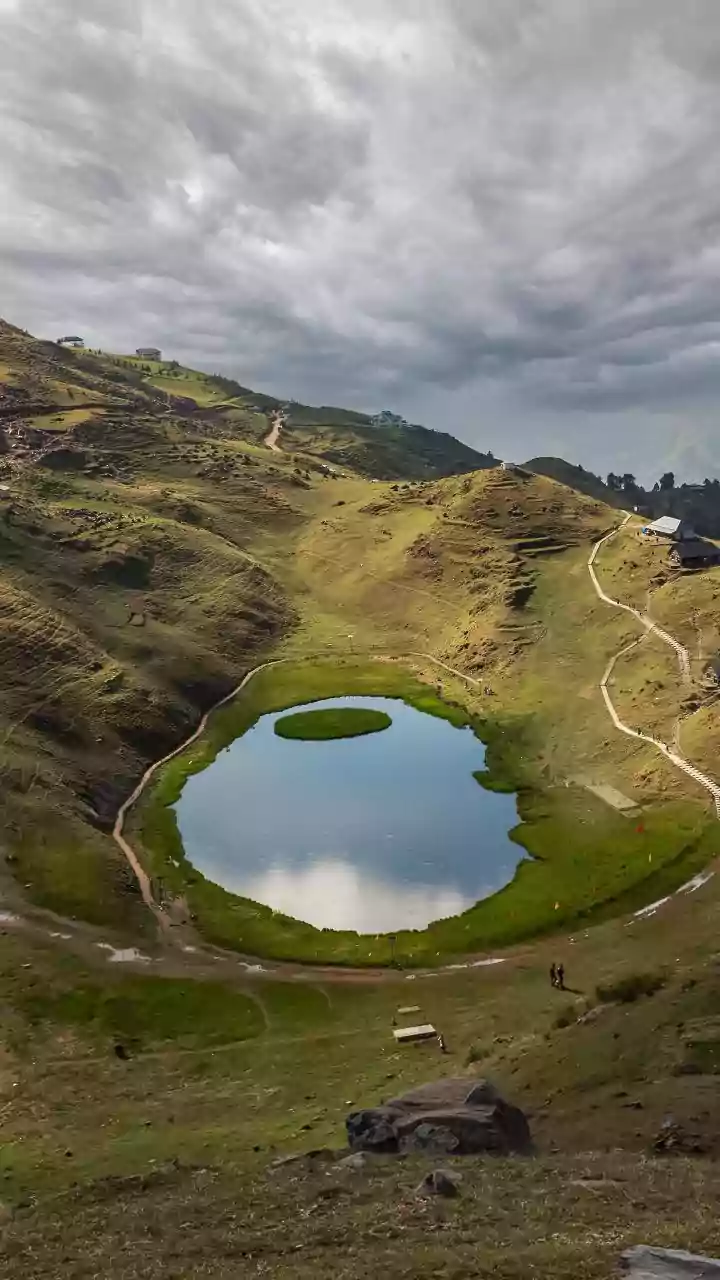
India during the monsoon is a sight to behold. Hillsides turn a vibrant green, waterfalls cascade with renewed vigour, and popular destinations become quieter and more affordable. Hoteliers often reduce rates significantly, sometimes by as much as 50%,
making luxury stays more accessible. However, the season is also notoriously unpredictable. Heavy rainfall can lead to flooded roads, landslides, and flight cancellations, particularly in hilly and coastal regions. These disruptions can make reaching your destination impossible, and this is where booking limitations become a critical issue for travellers. What seems like a great deal can quickly become a lost deposit if you cannot make it to the hotel, or if the hotel itself is forced to limit its operations due to the weather.
Decoding 'Free Cancellation' and Refund Policies
Many travellers book with confidence when they see “free cancellation” or “fully refundable” terms. During the monsoon, however, the fine print is crucial. These policies almost always come with a deadline, requiring you to cancel a set number of days before your check-in date to get a full refund. If a landslide blocks the road the day before your trip, you will likely be outside this cancellation window, and the hotel is not automatically obligated to return your money. Some policies may only offer a partial refund or, increasingly, a credit for a future stay. It is vital to read the specific terms before you book, as a non-refundable deal offers little recourse. Under the Consumer Protection Act, you have rights against unfair contract terms, but prevention is always better than a dispute.
The 'Act of God' and Force Majeure Clauses
This is one of the most misunderstood parts of any booking agreement. A 'force majeure' or 'Act of God' clause frees both parties—the traveller and the hotel—from their obligations due to extraordinary, uncontrollable events like natural disasters, floods, or government orders. You might assume a flood that prevents you from reaching the hotel qualifies. However, the interpretation can be tricky. A refund often depends on whether the hotel itself is unable to operate. If the hotel is open and running but you cannot get there, it may argue that the service was available and the standard cancellation policy applies. In such cases, getting your money back is not guaranteed, and the hotel may not be considered at fault.
Operational Limits and Diminished Experiences
Even if you reach your hotel, the monsoon can impact the quality of your stay. Heavy rains can put immense pressure on hotel operations. Guests frequently complain about issues like delayed check-ins, damp rooms, and unclean swimming pools due to weather-related challenges. Amenities that attracted you to the property, such as outdoor dining or certain recreational activities, may be suspended for safety reasons. In extreme cases, hoteliers face power outages, supply chain disruptions, and staffing shortages. While you may be entitled to a partial refund if the promised services constitute a “deficiency of service,” it is wise to call the hotel ahead of your trip to ask about the operational status of key amenities.
Why Travel Insurance Is Your Best Safeguard
Given the limitations of hotel policies, comprehensive travel insurance is essential for any monsoon trip. While a refundable hotel booking only protects your accommodation cost, a good insurance policy can be much broader. Look for a policy that explicitly covers trip cancellations and interruptions due to natural disasters like floods and landslides. This can reimburse you for non-refundable expenses beyond just the hotel, including flights and pre-booked tours. Many policies also offer coverage for medical emergencies and emergency evacuation, which are critical protections when travelling in remote or weather-affected areas. Be sure to purchase your policy before any adverse weather event is officially forecasted, as you cannot buy insurance to cover a known event.