

First, Understand the Risks
Travelling during the monsoon requires a clear understanding of the potential dangers. The primary risks are not just about getting wet; they involve significant safety concerns that vary by region. Flash floods can occur with little warning, turning
calm streams into raging torrents and submerging low-lying areas. Landslides are a major threat in hilly regions, with saturated soil and heavy rains leading to road blockages that can leave travellers stranded for days. As of late August 2026, the India Meteorological Department (IMD) has active warnings for heavy rainfall in several northern and eastern states, highlighting the real-time nature of these threats. Travel disruptions, from delayed flights and trains to closed highways, are common and require a flexible itinerary.
Low-Risk Havens: Serenity Without the Stress
For a worry-free monsoon experience, head to regions that are geographically shielded from the heaviest downpours. These 'rain-shadow' areas receive minimal rainfall, offering pleasant weather and accessible sights. The trans-Himalayan regions of Ladakh and Spiti Valley are prime examples, remaining dry and sunny from June to September. Similarly, parts of Tamil Nadu on the southeast coast, like Pondicherry, lie in a rain shadow and see much less rain during the southwest monsoon. The desert state of Rajasthan, including cities like Udaipur, Jodhpur, and Jaisalmer, also experiences significantly lighter rainfall, which often comes in short, refreshing bursts, making it a great time to explore palaces and forts without the peak season crowds or intense heat.
Calculated Risks: Adventures for the Prepared Traveller
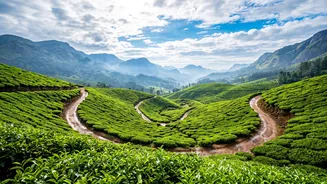
Many of India's most iconic monsoon destinations fall into this category. Places like Goa, the Western Ghats (including Lonavala and Mahabaleshwar), and the backwaters of Kerala offer breathtaking beauty but come with moderate risks. While a below-normal monsoon was forecast for August 2026 overall, localized heavy rainfall can still occur. Travelling here requires caution. It's essential to book well-maintained hotels with good infrastructure and flexible cancellation policies. Always check hyper-local weather alerts from the IMD just before and during your trip. Destinations like Coorg and Munnar are beautiful but can be susceptible to landslides on interior roads, so sticking to major routes is advised. The key is preparedness: have buffer days in your itinerary, avoid driving in hilly areas at night, and stay away from swollen rivers and waterfalls.
High-Risk Zones: Best Avoided This Season
Some areas are best left for another season due to severe and predictable risks. The Himalayan states of Uttarakhand and Himachal Pradesh are particularly vulnerable to landslides, cloudbursts, and flash floods during peak monsoon. As of late August 2026, both states remain under high weather alerts. Major highways to places like Manali, Shimla, and pilgrimage routes like the Char Dham Yatra often face closures, and the terrain is unstable. Low-lying regions in states like Assam and Bihar are also prone to severe flooding, which can disrupt all forms of transport and create health hazards. The IMD has noted that heavy to very heavy rain is concentrated in the Himalayan belt and parts of northeast India, making these regions particularly hazardous for travel at this time.
Your Essential Monsoon Safety Checklist
Regardless of your destination's risk profile, a few universal precautions will ensure a safer trip. First, monitor IMD forecasts daily, paying attention to district-level warnings. Pack smart: include quick-drying clothes, waterproof footwear, a reliable raincoat, and waterproof bags for your electronics and documents. Carry a basic first-aid kit, insect repellent, and any necessary medications. Due to a higher risk of waterborne diseases, drink only bottled or properly filtered water and be cautious with street food. Finally, keep your itinerary flexible. The weather can change in an instant, and being willing to alter your plans is the best way to stay safe and still enjoy the incredible beauty of monsoon India.