

Choose Your Monsoon-Happy Herbs
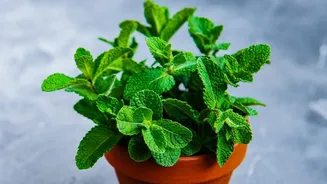
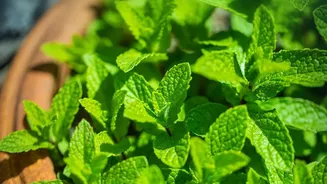
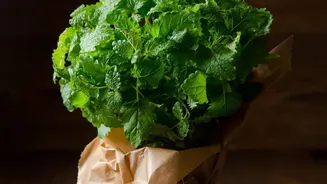
Not all herbs enjoy the constant dampness of the monsoon. The key is to select varieties that are either tolerant of wet conditions or grow quickly. Mint (Pudina) is perhaps the easiest, as it loves moisture and thrives in the partial shade common on cloudy
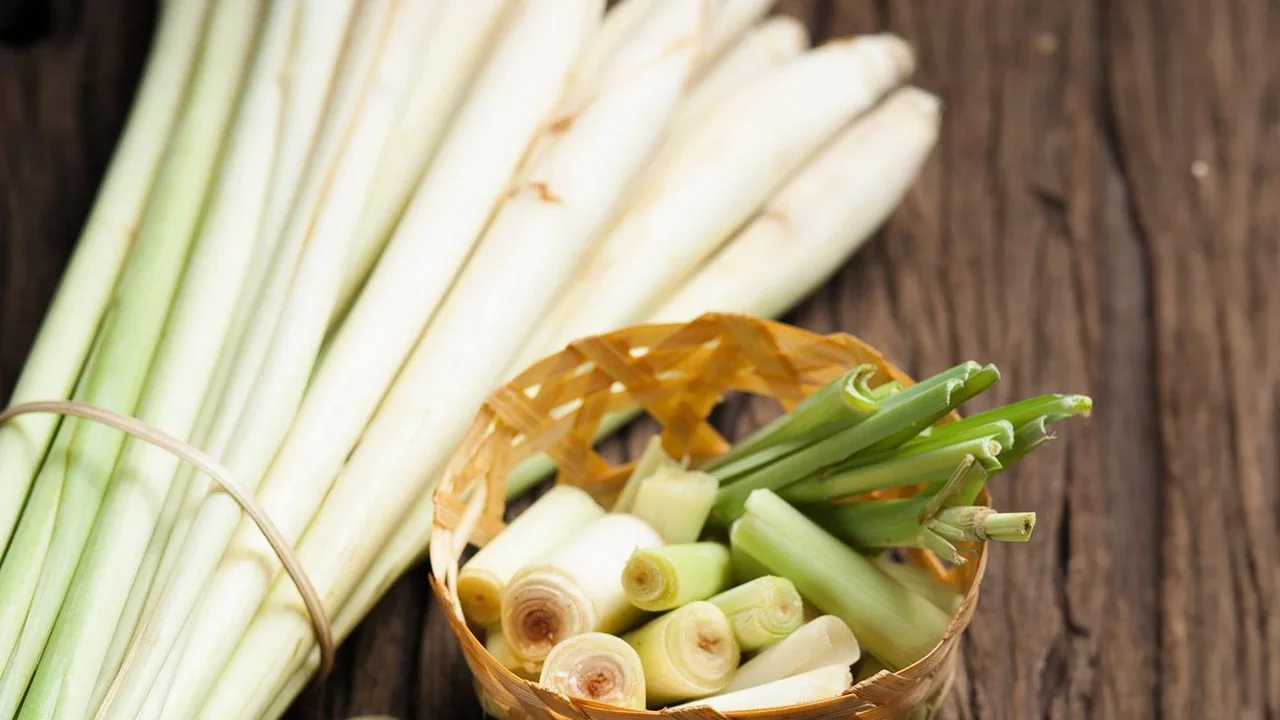
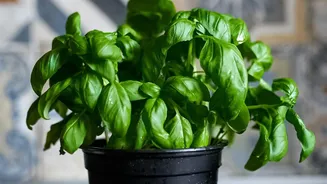
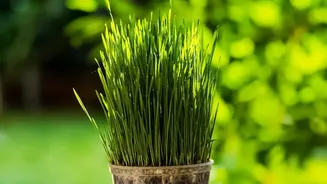
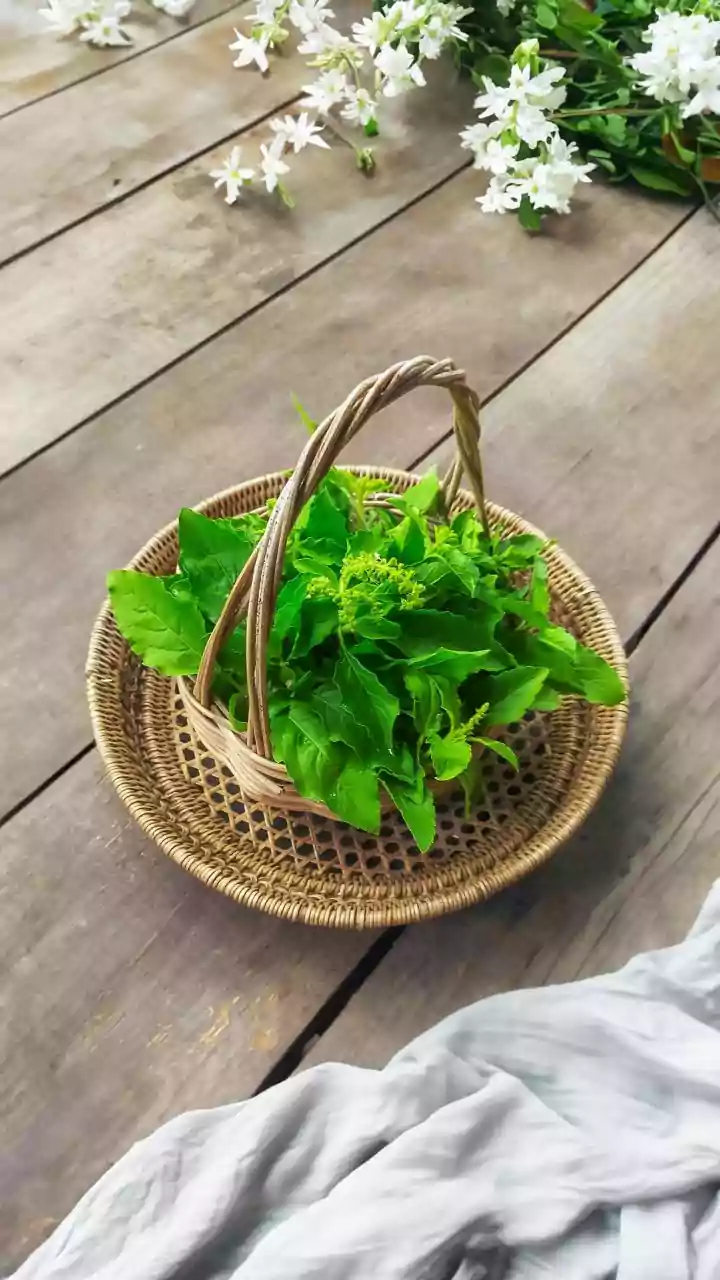
days.. Holy Basil (Tulsi), a staple in many Indian homes, is another excellent choice, known for its resilience and immunity-boosting properties.. Lemongrass also does well, as it enjoys water, though it still requires good drainage to avoid root rot.. Other good options include Indian Borage (Karpooravalli) and fast-growing Coriander (Dhania).
The Golden Rule: Excellent Drainage
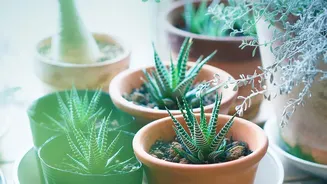
The single biggest threat to your potted herbs during monsoon is waterlogging.. When roots sit in soggy soil, they are starved of oxygen, leading to root rot.. Before you even begin planting, ensure your setup is designed to manage excess water. Every pot must have drainage holes at the bottom.. Terracotta pots are a good choice as they are porous and allow air to move through the root zone.. Elevating your pots on bricks, pot feet, or a simple stand makes a huge difference, allowing water to escape freely and preventing the base from sitting in a puddle.. Also, remember to empty any water that collects in the saucers or trays beneath your pots.
Create a Light, Airy Soil Mix
Standard garden soil can become heavy and compacted when wet, which is a disaster for herb roots.. For container gardening, especially in the monsoon, you need a lightweight, well-aerating potting mix.. You can buy a commercial mix or easily make your own. A reliable recipe involves blending equal parts potting soil (or compost), coco peat, and perlite or sand.. The compost provides nutrients, while coco peat helps retain moisture without becoming waterlogged, and perlite or sand ensures the mix stays loose and well-drained. This combination helps prevent the soil from turning into a dense, airless mass.
Rethink Your Watering Schedule
The most common mistake gardeners make during the rainy season is sticking to their summer watering routine.. With high humidity and frequent showers, your plants need significantly less manual watering.. The rule is simple: always check the soil before you water. Insert your finger about an inch or two into the soil. If it feels damp, do not water the plant that day.. If your pots are exposed to direct rain, you may not need to water them at all. Your focus should shift from watering to checking that the pots are draining properly after a downpour.
Manage Sunlight and Provide Shelter
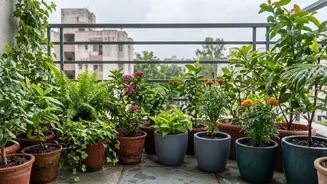
Monsoon skies are often overcast, meaning less sunlight for your plants.. Try to place your herbs in a spot on your balcony that receives the maximum available light, ideally four to six hours of indirect sun.. An east-facing balcony, which gets gentle morning sun, can be ideal.. During periods of extremely heavy or continuous rain, consider moving more delicate pots to a sheltered area, like under an overhang or just inside your balcony door, to prevent them from becoming completely saturated.. This small step can be the difference between a thriving plant and one that succumbs to rot.
Watch for Pests and Fungi
High humidity creates a perfect breeding ground for pests like slugs and snails, as well as fungal diseases like powdery mildew.. Good air circulation is your first line of defence, so avoid overcrowding your plants.. Regularly prune any yellowing leaves or dense foliage to improve airflow.. For a natural pest deterrent, a simple spray made from neem oil, a few drops of liquid soap, and water is highly effective against common pests like aphids and mealybugs.. Sprinkle cinnamon powder on soil to help prevent fungal growth.