

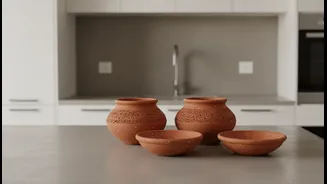

A Return to Slower, Healthier Cooking
A growing number of young home cooks are turning away from modern cookware and rediscovering the benefits of earthenware. This isn't just about nostalgia; it's a conscious choice driven by a desire for a healthier, more sustainable, and flavourful way of eating.
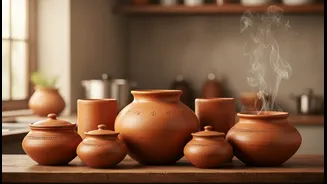
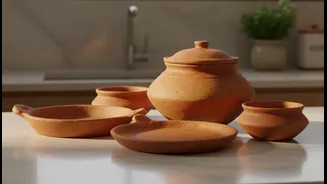
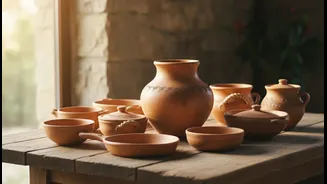
For generations, clay pots were a staple in Indian kitchens, used for everything from setting curd to slow-cooking rich curries. While they were largely replaced by metal and non-stick alternatives, a renewed awareness around health and conscious consumption is bringing them back into the spotlight. Social media platforms are filled with images of beautifully crafted earthen pots, with young food influencers and home chefs showcasing their creations and highlighting the benefits of this traditional cooking method.
The Science of Superior Flavour
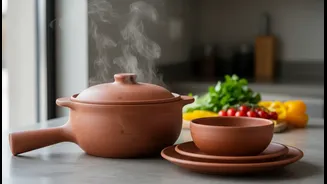
Ask anyone who cooks in clay, and they'll tell you the food just tastes better. There's a scientific reason for this. Clay is a porous material, which allows heat and moisture to circulate evenly throughout the pot. Unlike metal pans that can create hot spots, clay heats up gradually and cooks food gently. This slow-cooking process helps retain the natural moisture in ingredients, making meats more tender and vegetables more succulent. The trapped steam allows spices to blend more deeply, resulting in richer, more aromatic curries and dals. The earthy flavour imparted by the pot itself adds a unique dimension that simply can't be replicated in metal cookware.
The Health and Wellness Angle
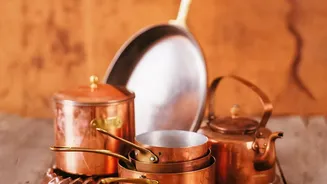
One of the biggest drivers of this trend is health. Concerns about chemicals like PFOA and PTFE leaching from scratched non-stick pans have made many consumers wary. Unglazed clay pots, made from natural earth, are a non-toxic alternative. Furthermore, clay is alkaline in nature, which helps to neutralize the acidity of foods like tomatoes, balancing the pH level and making meals easier to digest. This slow cooking method also requires less oil, as the pot's ability to retain moisture prevents food from sticking and drying out. Ayurvedic principles have long touted the benefits of cooking in earthenware, noting that it can add important minerals like calcium, iron, and magnesium to the food.
Aesthetic and Sustainable Living
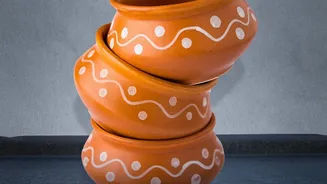
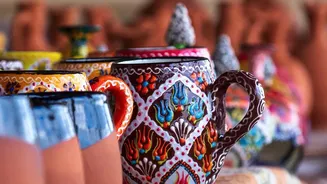
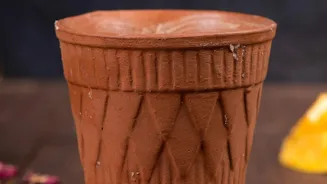
Beyond the functional benefits, clay kitchenware aligns perfectly with modern aesthetic trends that favour natural materials and rustic charm. A beautifully crafted handi or clay serving bowl adds a touch of earthy elegance to the dining table. This revival is also part of a larger movement towards sustainable living. Clay is an eco-friendly material that is biodegradable and leaves a minimal environmental footprint. By choosing handcrafted local pottery, consumers are not only making a healthy choice for themselves but also supporting artisan communities and preserving traditional crafts. Brands championing heritage cookware are finding a receptive audience among young people who value authenticity and sustainability.
Getting Started with Clay
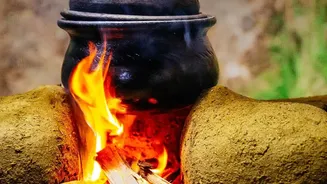
Thinking of trying it yourself? Getting started is simple. The first crucial step is to season your new pot. This usually involves soaking it in water for several hours or overnight, which tempers the clay and prevents it from cracking on the stove. After soaking, it's often recommended to boil rice water or apply a thin layer of oil before the first use. When cooking, always start on a low flame and increase the heat gradually to avoid thermal shock. Cleaning is also straightforward; use a soft scrubber and avoid harsh detergents or soaps, which the porous clay can absorb. With proper care, a good clay pot can last for years, becoming a cherished part of your kitchen.