
The Dabba Gets a Designer Makeover
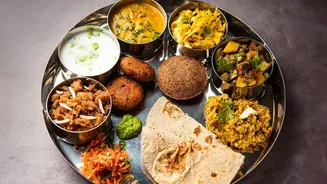
For generations, the stainless-steel tiffin carrier, or 'dabba', has been a reliable staple of Indian life, faithfully transporting home-cooked meals to schools and offices. Its stacked compartments efficiently separate roti, sabzi, and rice. But a new
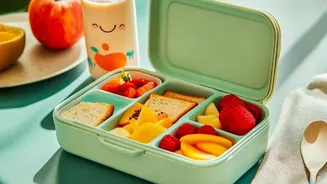
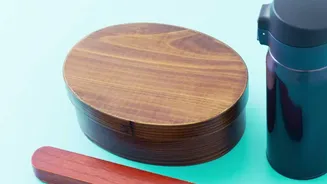
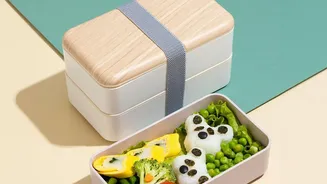
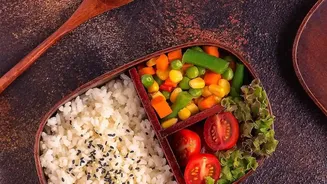
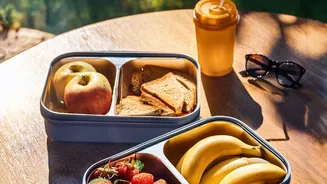
contender has entered the scene: the bento box. Originating in Japan, a bento is a single-portion meal packed in a compact, compartmentalised container. Unlike the vertical stacking of a traditional tiffin, bento boxes are typically flat and feature multiple small sections, designed not just for transport but for visual appeal and nutritional balance. This design philosophy prevents different food items from mixing, a feature particularly appreciated by those who prefer the distinct flavours of their meal to remain separate.
Why Now? The Drivers of the Bento Boom
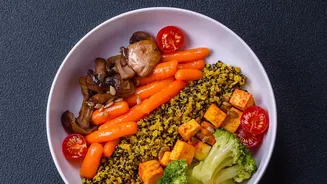
The rise of the bento box in India is fuelled by a confluence of modern lifestyle trends. A growing awareness around wellness and mindful eating has many Indians seeking portion-controlled, balanced meals. The built-in compartments of a bento box naturally guide users toward packing a variety of food groups—a portion of carbs, protein, and vegetables—without having to meticulously count calories. This structure is a visual and practical tool for healthier eating. Furthermore, in an age dominated by social media, the aesthetic appeal of a meal is more important than ever. A beautifully arranged bento box, with its vibrant colours and neat organisation, is inherently 'Instagrammable', turning a simple lunch into a statement of creativity and care. For parents, it has become a novel way to make meals more attractive to picky eaters.
Indianising the Bento: More Than Just Sushi
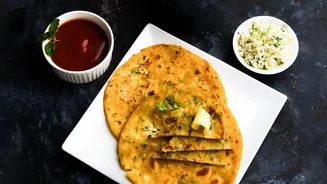
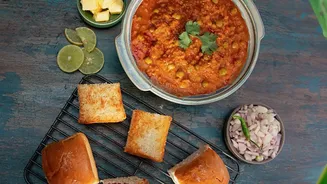
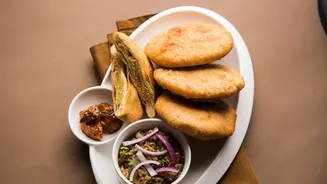
While a traditional Japanese bento might contain rice, fish, and pickled vegetables, the Indian adaptation is a flavourful celebration of local cuisine. The compartments are filled with familiar, comforting foods, just presented in a new format. Imagine a box with a section for mini vegetable pulao, another for paneer tikka skewers, a small compartment for cucumber raita, and another for a handful of roasted makhana or fresh fruit. You might find anything from small aloo parathas with a side of pickle and yogurt, to idlis with a small container of chutney, or chole with jeera rice. The key is adapting dishes to be less liquid-heavy and more modular. Dry sabzis, thick dals, wraps, and stuffed flatbreads are perfect candidates for an Indian-style bento.
A Modern Take on a Timeless Tradition
At its core, the act of packing a lunch for a loved one is an expression of care, a tradition deeply embedded in Indian culture. The bento trend is not replacing this sentiment but giving it a modern, globalised form. The effort that goes into arranging a bento box—balancing colours, textures, and nutrients—is a mindful practice, a continuation of the love poured into home cooking. It transforms the daily meal from a necessity into a small moment of joy and wellness. It’s a fusion where the systematic, aesthetic approach of Japanese food culture meets the rich, diverse flavours of the Indian kitchen. The result is a lunch that is not only healthier and more organised but also a feast for the eyes.