


A Legacy Forged in History
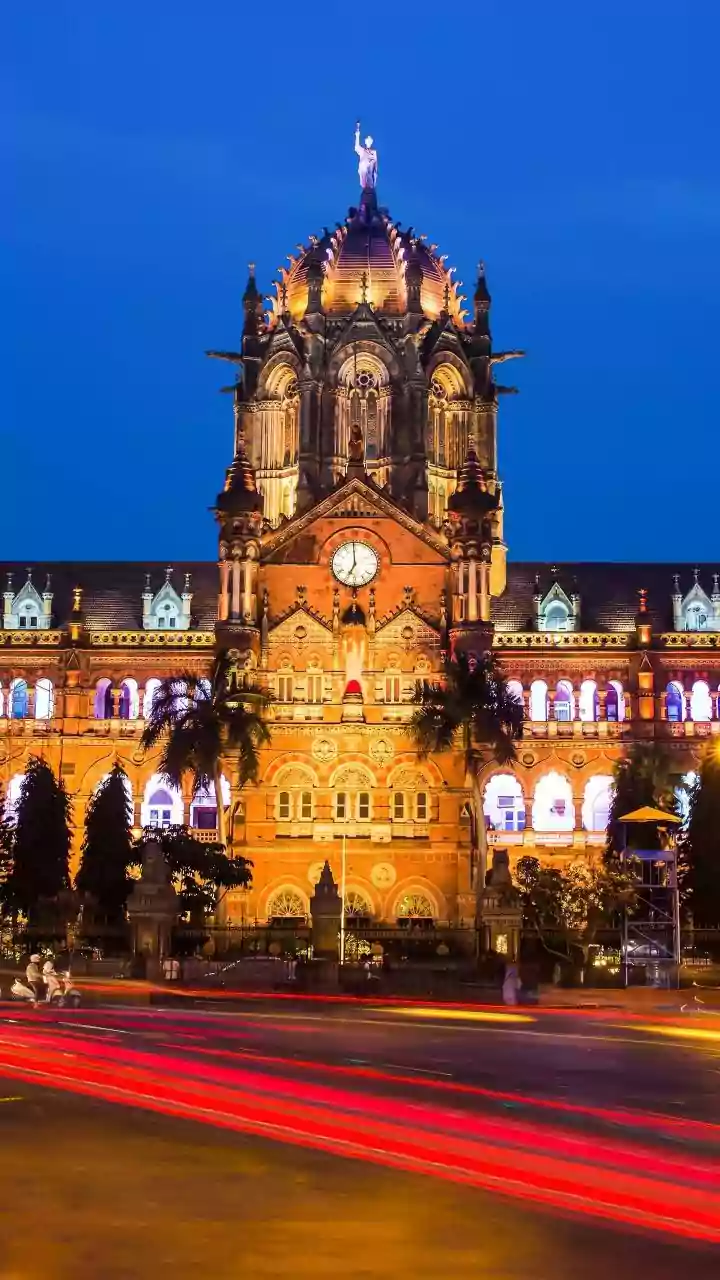
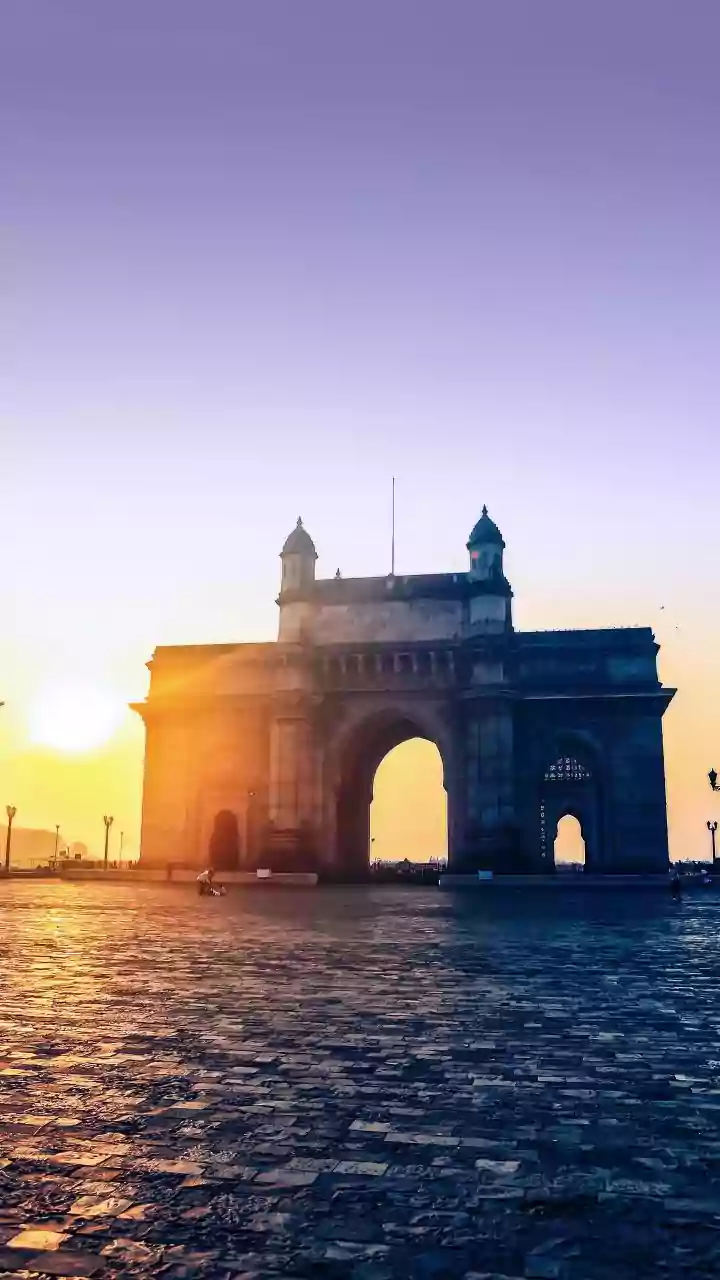
The story of Bollywood's connection to Mumbai begins long before the name 'Bollywood' was even coined. The city, then Bombay, was a bustling colonial port, a commercial and financial hub that attracted capital and labour. This economic vibrancy provided
the perfect breeding ground for a capital-intensive industry like filmmaking. The journey started in 1913 with Dadasaheb Phalke, the 'Father of Indian Cinema', who produced India's first full-length feature film, 'Raja Harishchandra', in the city. From the first silent films to the first talkie, 'Alam Ara' in 1931, Bombay was at the forefront. Its cosmopolitan and comparatively liberal environment, unlike more conservative parts of the country, made it a welcoming home for artists, writers, and technicians from diverse backgrounds, including many who migrated after the Partition. This historical head start created a gravitational pull that has lasted for generations.
The Unmatched Creative Ecosystem
Mumbai’s dominance isn’t just about history; it’s about a dense, living ecosystem that is nearly impossible to replicate. The city is home to a concentrated network of production houses, talent agencies, music labels, post-production studios, and distribution networks. Major studios like Yash Raj Films, Dharma Productions, and Red Chillies Entertainment are all headquartered here. This clustering creates a powerful network effect: a writer can pitch a script in Bandra, an actor can audition in Andheri, and a composer can record a track in Juhu, all within a few square kilometres. This proximity fosters collaboration and creates a constant hum of creative energy. For aspiring actors, directors, and technicians, Mumbai is still the ultimate destination, a city that promises opportunity and connection.
Infrastructure of the Imagination
A key pillar of Mumbai's creative strength is its physical infrastructure, most notably the Dadasaheb Phalke Chitranagari, or Film City. Established in 1977 and sprawling over 520 acres in Goregaon, it was designed to provide a comprehensive solution for filmmakers. With over 42 outdoor locations and numerous indoor studios, it can transform into anything from a rural village to a grand palace, offering a versatile canvas for storytellers. Beyond Film City, a web of private studios, recording facilities, and editing suites sprawls across the suburbs. While some of this infrastructure faces challenges of being outdated, it represents a century of investment and specialisation that keeps production anchored in the city.
The Cultural Magnetism
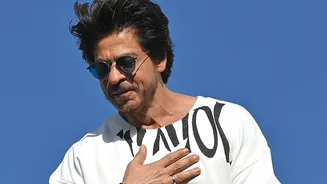
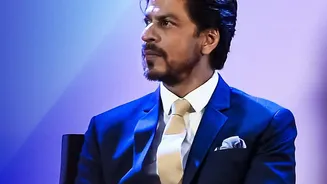
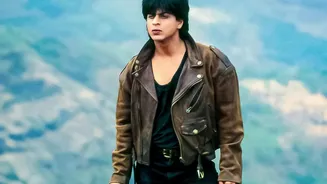
Beyond the tangible assets, Mumbai possesses a unique cultural magnetism. It is the 'City of Dreams' not just in name, but in spirit. The city's very air is thick with ambition and hustle, a culture that fuels the narrative engine of Bollywood. The biggest stars, from Shah Rukh Khan to Amitabh Bachchan, live here, their sea-facing homes becoming landmarks for hopeful fans. This concentration of celebrity culture reinforces the city's status as the epicentre of glamour and aspiration, influencing everything from fashion to real estate. This powerful cultural identity creates a self-perpetuating cycle: the stars draw more talent, who in turn create the content that keeps the entire nation looking towards Mumbai.
Adapting in a Changing World
The rise of OTT platforms and the roaring success of South Indian and other regional cinemas have certainly challenged Bollywood's undisputed dominance. Some observers have noted the high costs and logistical inefficiencies of filming in a congested metropolis as potential threats. However, Mumbai is not standing still. The industry is adapting, with major production houses now creating content for streaming giants, ensuring the city's talent and infrastructure remain central to the new media landscape. The creative ecosystem is proving to be fluid, with musicians and filmmakers moving between film, independent releases, and digital platforms. While the entertainment map of India is becoming more diverse, Mumbai has so far managed to retain its position as the industry's creative and commercial command centre.