







The Meal Prep Dream vs. The Busy Reality
For young working professionals, the promise of meal prep is a siren song: save time, eat healthy, reduce stress, and have delicious, home-cooked food ready to go. Many dive in with enthusiasm, only to find their efforts thwarted by the realities of a demanding
life. Long work hours, spontaneous social plans, and sheer exhaustion can derail the most meticulously planned weekly menu. This often leads to food waste, with prepped components wilting in the fridge as takeaway is ordered yet again. The problem isn't a lack of willpower; it's often a system that demands too much rigidity in a life that is anything but. When your schedule is unpredictable, a meal prep strategy that requires military precision is bound to fail.
The Traditional Fermentation Trap
For many beloved Indian staples like dosa and idli, fermentation is non-negotiable. The traditional method involves an 8-to-12-hour fermentation period, usually overnight. This process relies on wild yeasts and bacteria to leaven the batter and develop its characteristic tangy flavour. While this method is time-honoured, it’s also a major commitment. It locks you into a fixed schedule. If you get home late and can't grind the batter until midnight, it might not be ready in the morning. If the temperature in your kitchen is too cool, fermentation slows to a crawl. Conversely, if you don't use the batter the next day, it can over-ferment, becoming overly sour and unusable. This long, relatively uncontrolled timeline is a hidden saboteur of meal prep for those with dynamic schedules.
Shrinking the Schedule: The Quick Ferment Advantage
The solution isn't to abandon these healthy, traditional foods, but to reclaim control over the process. Shrinking your fermenting schedule from 8-12 hours to a more manageable 2-4 hours is a game-changer. The key benefit is flexibility. Instead of being a slave to an overnight schedule, you can decide to make batter in the late afternoon and have it ready for dinner. This drastically reduces the planning horizon and the potential for waste. A shorter fermentation window means less time for the batter to become overly sour if your plans suddenly change. It puts you in the driver's seat, allowing you to fit delicious, fermented foods into your life on your terms, not the batter's.
How to Master Short and Sweet Fermentation
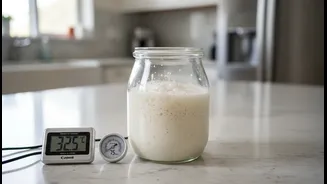
Speeding up fermentation is less about magic and more about science. The goal is to create an ideal warm environment for the yeast and bacteria to thrive. One of the most effective methods is to place your batter in an oven with only the light turned on; the gentle heat creates a perfect proofing box. Many Instant Pots also have a 'yogurt' setting that can be used to maintain a consistent warm temperature, fermenting batter perfectly in just a few hours. Another trick is to use a good starter. Adding a few tablespoons of a previous batch of fermented batter can kickstart the process. For other dishes that require a quick leavening, a pinch of baking soda or fruit salt can provide instant results, though this is a chemical leavening rather than a true ferment. Experimenting with these techniques will help you find the sweet spot for your kitchen and your schedule.
Flexibility is the New Meal Prep Success
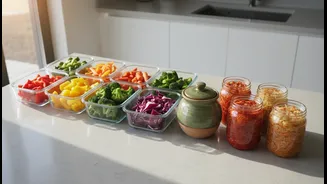
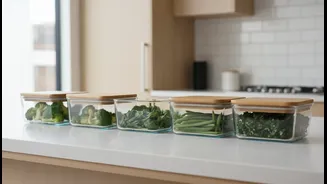
Ultimately, the modern approach to meal prep is about flexibility, not rigidity. Instead of cooking entire meals for a week, many find success by prepping components—chopped vegetables, cooked grains, or marinated proteins—that can be assembled into different dishes. Applying the short-fermentation mindset is a perfect extension of this philosophy. It transforms a core component of Indian cooking from a rigid, multi-hour commitment into a flexible, on-demand asset. By doing this, you are not just making idli batter; you are building a more sustainable, enjoyable, and successful relationship with home cooking that fits seamlessly into your busy professional life.