


Beyond the Price Tag: Cost Per Wear
A cheap t-shirt feels like a bargain, but if it only survives three washes, was it truly affordable? This is where the 'cost per wear' metric changes the game. The formula is simple: divide an item's price by the number of times you wear it. That trendy
₹500 top worn twice has a cost per wear of ₹250. A classic, well-made ₹4000 jacket worn 100 times has a cost per wear of just ₹40. Thinking in these terms reveals that investing in quality is often the most economical choice. High-quality garments are designed to last, meaning you buy less, reduce waste, and ultimately save money. This approach shifts your mindset from chasing fleeting trends to building a collection of reliable, stylish staples that serve you for years.
How to Spot Quality Fabric
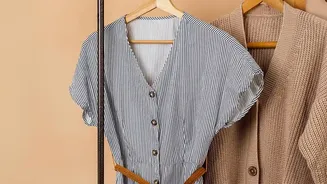
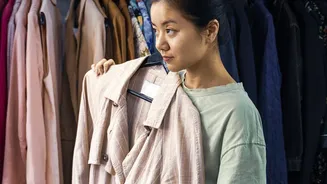
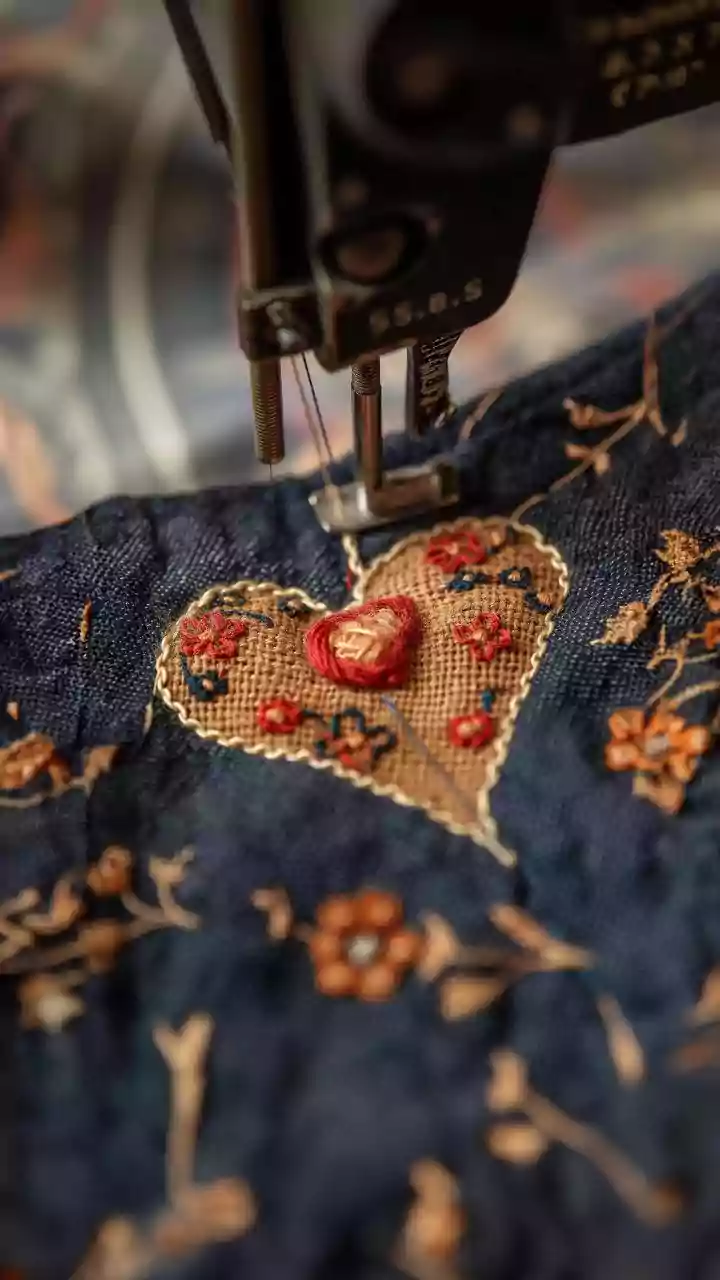
You don't need to be a textile expert to identify good fabric. Start by trusting your sense of touch. High-quality materials often feel more substantial, softer, and have a pleasant weight that helps them drape well. Hold the fabric up to a light; a tight, dense weave with no visible gaps is a sign of durability. Loose or uneven knitting can indicate that the garment might lose its shape. Check the fibre content on the label. Natural fibres like cotton, linen, silk, and wool are often hallmarks of quality, offering breathability and comfort. Finally, examine the details. Clean, smooth finishes without snags, and consistent colour are all indicators of a well-made textile.
The Fibre Fundamentals: Natural vs. Synthetic
Both natural and synthetic fibres have their place in a modern wardrobe. Natural fibres, derived from plants and animals, are prized for their comfort and breathability. Cotton is soft and versatile, linen is perfect for warm climates, and wool provides warmth without bulk. However, they can sometimes be more prone to wear and may require more specific care.Synthetic fibres like polyester and nylon are engineered for durability, stain resistance, and affordability. They often hold their shape and colour well and are resistant to shrinking. The trade-off is that they are generally less breathable and can trap heat and moisture. Often, a blend of fibres can offer the best of both worlds, combining the comfort of natural materials with the durability of synthetics.
Master the Art of Smart Laundry
Even the highest quality garment can be ruined by poor laundry habits. The most important rule is to wash your clothes less often. Over-washing degrades fabric fibres over time. Unless a piece is visibly dirty or smelly, consider airing it out instead. When you do wash, use cold water whenever possible. It's just as effective for most loads, but gentler on fibres and dyes, preventing shrinking and fading. It also consumes less energy. Use a moderate amount of a quality detergent, as too much can leave a residue that stiffens fabric. Lastly, avoid the high heat of a tumble dryer, which is a primary cause of fabric damage and shrinkage. Air-drying your clothes is the single best thing you can do to extend their life.
Store Your Clothes for Longevity
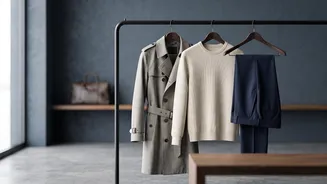
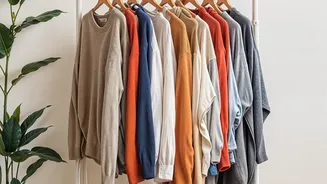
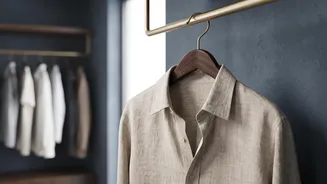
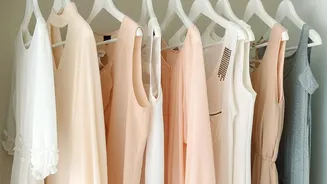
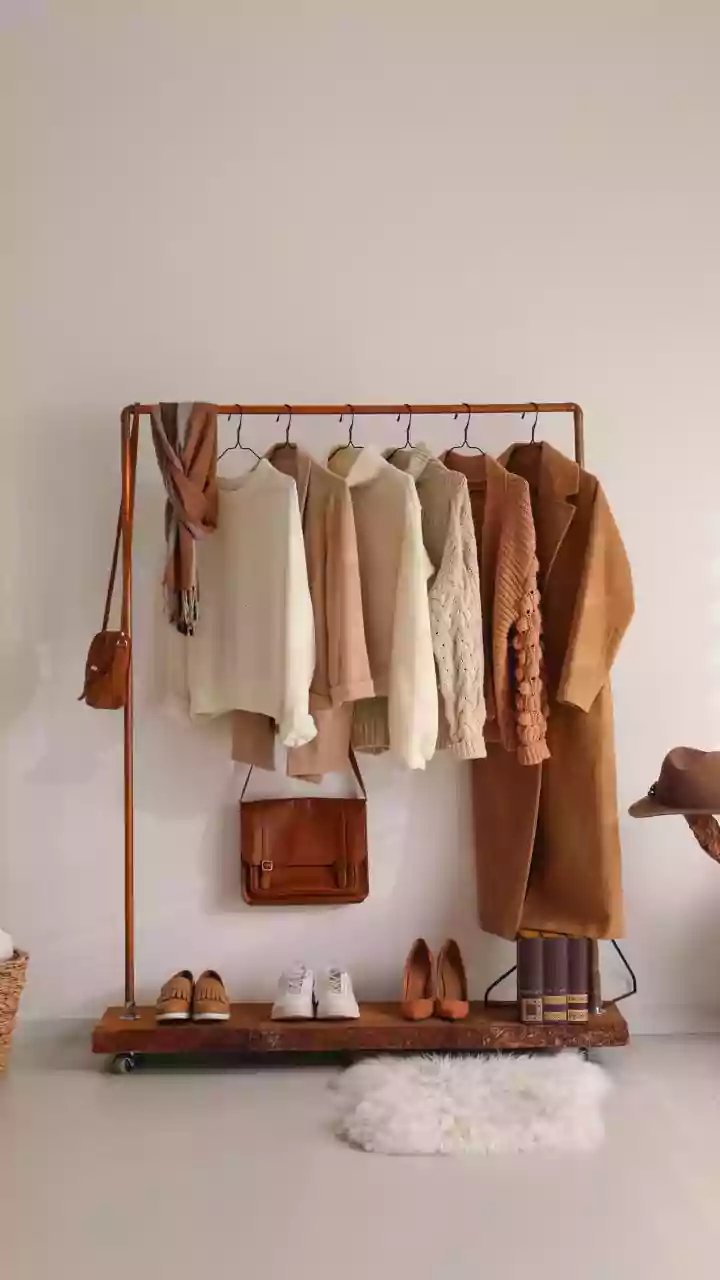
Proper storage is the final piece of the puzzle. How you put your clothes away matters just as much as how you wash them. Use quality hangers that support the shape of your garments, especially for jackets and shirts. Flimsy wire hangers can cause stretching and shoulder bumps. For knitwear like sweaters, it's best to fold them neatly and store them on a shelf or in a drawer. Hanging heavy knits can cause them to stretch out and lose their shape over time. Ensure your closet is clean, dry, and dark, as prolonged exposure to sunlight can fade colours. For seasonal storage, use breathable garment bags to protect items from dust and pests while allowing air to circulate.