





What Exactly Is Ambali?
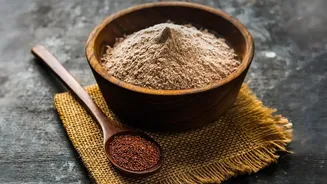
Long before probiotics became a wellness buzzword, there was Ambali. At its core, Ambali is a simple, fermented porridge or drink, traditionally made from ragi (finger millet) but also from other millets like jowar (sorghum) or bajra (pearl millet). Originating
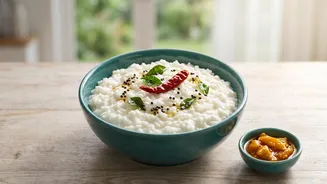
in the rural kitchens of states like Karnataka, Odisha, and Tamil Nadu, it has been a staple for centuries. Historically, it was the fuel of farmers and laborers, consumed in the morning to provide sustained energy and hydration for a long day of work under the sun. The preparation is straightforward: millet flour is mixed with water, often with a little leftover cooked rice, and left to ferment naturally overnight or for up to 24 hours. This process gives it a distinct, mildly sour taste and a thin, drinkable consistency.
A Probiotic Powerhouse from the Past
The magic of Ambali lies in its fermentation. This natural process creates a wealth of beneficial bacteria, or probiotics, making it incredibly effective for supporting gut health and digestion. Modern science is now confirming the wisdom our ancestors held: a healthy gut microbiome is crucial for overall immunity and well-being. Beyond its probiotic benefits, Ambali is a nutritional heavyweight. Ragi is naturally gluten-free and packed with calcium, iron, and essential amino acids. The fermentation process makes these nutrients more bioavailable, meaning the body can absorb them more easily. It is also a natural coolant, making it a perfect antidote to India’s scorching summers. This combination of hydration, electrolytes, and easily digestible energy makes it a truly functional food.
From Rural Staple to Urban Elixir
So, why is a drink once known as 'poor man's food' suddenly finding favor with the urban wellness crowd? The resurgence of Ambali is part of a larger movement. In a world saturated with expensive, often imported 'superfoods', there is a growing desire for authenticity and a return to traditional, sustainable food systems. The post-pandemic era has amplified health consciousness, with a particular focus on gut health and immunity. Indian consumers are increasingly looking for solutions rooted in their own culture, rather than relying on Western trends like kombucha and kefir. Ambali fits this need perfectly. It is local, natural, and backed by centuries of traditional knowledge, representing a conscious shift toward 'hyperlocal' health solutions.
The Modern Cafe Makeover
While the core of Ambali remains the same, its presentation in urban cafes is getting a modern twist. Some cafes are serving it in its classic savoury form, seasoned with salt, buttermilk, and herbs. Others are experimenting with sweet versions, adding jaggery, fruit purees, or nuts and seeds to create Ambali bowls that appeal to a breakfast or brunch audience. You might find it on a menu next to a turmeric latte or an avocado toast, positioned as a gut-friendly, gluten-free option. This revival is not just happening in homes but also in wellness clinics and, increasingly, on cafe menus looking to offer something unique and genuinely healthy. It’s a testament to the drink’s versatility, able to be both a humble staple and a trendy, functional beverage.
More Than Just a Health Trend
The return of Ambali signifies more than just a dietary choice; it’s a form of cultural reclamation. For generations, traditional foods were often stigmatized or seen as old-fashioned. The current revival, which also includes other fermented drinks like Kanji and Sol Kadhi, is a powerful statement about valuing indigenous knowledge and culinary heritage. It challenges the notion that wellness must come from a fancy package or an international brand. By putting Ambali back on the menu, chefs and consumers are celebrating the profound wisdom held within Indian kitchens. They are proving that sometimes, the most advanced health solutions have been with us all along, waiting quietly to be rediscovered.