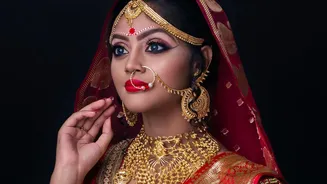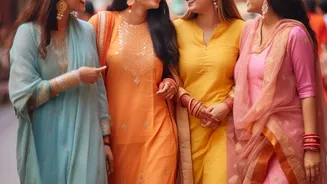

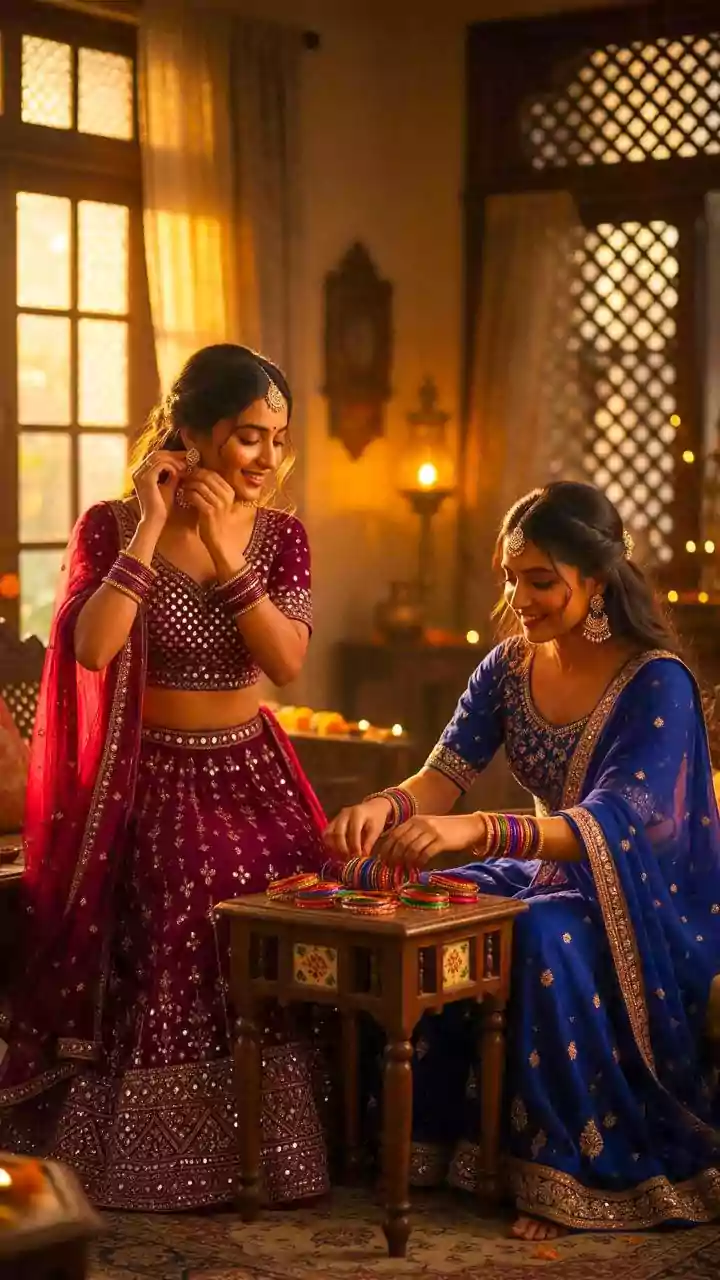

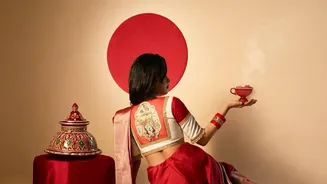
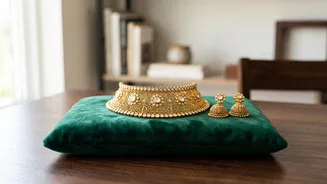
For generations, festive jewellery meant heavy, ornate pieces brought out from bank lockers for special occasions. But a significant shift is underway, with modern shoppers now drawn to lightweight heritage designs they can wear every day.
From the Locker to a Lifestyle
The traditional
role of jewellery as a locked-away asset is being fundamentally redefined. Today’s consumers, particularly millennials and Gen Z, view jewellery not just as an investment but as a form of daily self-expression. The focus has shifted from owning pieces that are too precious or cumbersome for daily life to building a collection that is versatile and wearable. This change is driven by a desire to enjoy beautiful things in the here and now, rather than saving them for a handful of dates on the calendar. As lifestyles become more dynamic, women want jewellery that transitions seamlessly from the office to a casual brunch or a festive evening get-together.
Redefining 'Heritage' for Today
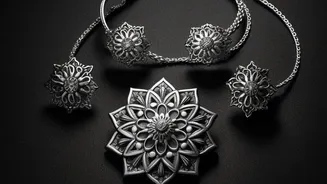
The appeal of 'heritage' is no longer tied to weight and grandeur. Instead, modern shoppers appreciate the story and craftsmanship behind traditional motifs, but they want them in contemporary, minimalist forms. Designers are responding by reinterpreting classic designs like temple jewellery, chandbalis, and jhumkas into lighter, sleeker silhouettes. These new versions retain the cultural soul of the originals but are stripped of the excess weight, making them practical for daily wear. This fusion allows wearers to connect with their heritage in a way that feels authentic to their modern identity.
Comfort, Versatility, and the 'Cost-Per-Wear' Logic
Comfort has become a new form of luxury. In a world where daily routines are a blend of work, home, and social life, heavy jewellery is simply impractical. Lightweight pieces offer the freedom to look polished without feeling weighed down. This practicality also extends to styling; a delicate heritage-inspired chain or a pair of minimalist polki studs can be layered and mixed with other pieces, complementing both Indian ethnic wear and Western outfits. This versatility is key for the modern consumer who thinks in terms of 'cost-per-wear'. An expensive piece worn only twice a year feels less valuable than a slightly less expensive, well-crafted item that is worn weekly, making lightweight gold a smarter longterm purchase.
The Smart Investment for a New Generation
While the love for gold as an investment remains strong in India, the motivation for buying it is evolving. A 2026 Deloitte report highlighted that while 86% of consumers see jewellery as a wealth asset, younger buyers are prioritising design, versatility, and personalisation over sheer weight. They are driving demand for modular and multi‐occasion collections. For this new generation of shoppers, jewellery is purchased not only for major life events like weddings but also to mark career milestones, birthdays, or simply as an act of self‐love. Lightweight heritage pieces perfectly fit this new paradigm: they offer the security of a gold investment while also serving as a beautiful, functional part of an everyday wardrobe.