



It All Starts with the Coat
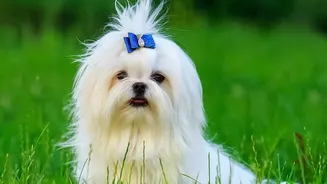
The most significant factor determining grooming frequency is your pet's coat. Different fur types have vastly different needs for brushing, bathing, and professional attention. Long-haired breeds, such as Shih Tzus and Persian cats, often require daily
brushing to prevent their fine fur from tangling and forming painful mats. These mats can pull at the skin, trap moisture, and lead to irritation or infection. For these pets, a professional groom every 4-6 weeks is often recommended to keep their coat manageable. In contrast, short-haired pets like Beagles, Boxers, or domestic shorthair cats are much lower maintenance. A weekly brushing is typically enough to remove loose hair, distribute natural skin oils, and keep their coat shiny and healthy. Breeds with double coats, such as Golden Retrievers, Huskies, and many of our beloved Indian street dogs, have a dense undercoat for insulation. They require brushing two to three times a week to manage shedding and prevent the undercoat from becoming compacted, especially during seasonal shedding periods.
An Active Lifestyle Requires More Care
A pet's daily routine plays a huge role in how dirty they get. An indoor cat who spends its days napping in sunbeams will have very different grooming needs than a dog who loves running through parks, swimming in lakes, and digging in the mud. Active, outdoor pets accumulate more dirt, debris, pollen, and even pollutants in their fur. This requires more frequent grooming to prevent skin irritation and remove any clinging debris or parasites like ticks and fleas. Paws, in particular, need extra attention. After walks on rough surfaces or through muddy areas, it’s important to check and clean between the paw pads. Highly active dogs might need baths as often as every few weeks, while their more sedentary counterparts can go much longer. More activity also means nails may wear down naturally on hard surfaces, but they should still be checked regularly to prevent overgrowth, which can affect posture and comfort.
Adjusting for Indian Weather and Seasons
In India, the weather is a major grooming factor that can’t be ignored. The shift from scorching summer heat to the high humidity of the monsoon season brings a unique set of challenges for pet owners. During hot summers, regular brushing is essential to remove excess fur from shedding pets, which helps them regulate their body temperature more effectively. However, one should avoid shaving double-coated dogs, as their coat provides insulation from both heat and cold. The monsoon season is particularly tricky. The constant dampness and humidity create a perfect breeding ground for fungal and bacterial skin infections. It is crucial to keep your pet as dry as possible. This means thoroughly towel-drying them after every walk, paying special attention to their paws, underbelly, and ears. While bathing might seem like a good idea, over-bathing can strip the coat's natural oils; once every 2-3 weeks with an anti-fungal shampoo is often sufficient. Daily brushing becomes even more critical during the rains to prevent damp fur from matting and to check for ticks and fleas, which thrive in this weather.
Creating a Custom Grooming Schedule
So, what's the right schedule for your pet? It’s a combination of these three elements. Start by assessing your pet’s coat. Is it long and prone to tangles, or short and smooth? Then, consider their lifestyle. Are they an adventurous outdoor explorer or a home-loving cuddle companion? Finally, look at the weather. Is it hot and dry, or damp and humid? By combining these factors, you can build a routine. For example, a long-haired dog in Mumbai might need daily brushing, paw cleaning after every walk, and a professional groom every 4 weeks, with extra attention to keeping dry during the monsoon. A short-haired cat living in an apartment in Delhi may only need a weekly brush and a nail trim as needed. Regular grooming is also an opportunity to check for any lumps, bumps, or skin issues, allowing for early detection of potential health problems.