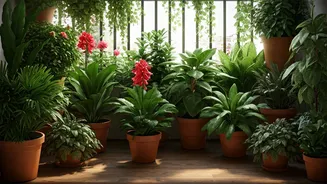







Why Green is the New Black for Monsoons
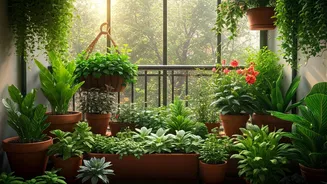
Before we dig into the soil, let’s talk about the 'why'. A green balcony is more than just a pretty view. During the monsoon, when we’re often cooped up indoors, a small patch of nature provides a powerful boost to mental well-being. Plants are natural
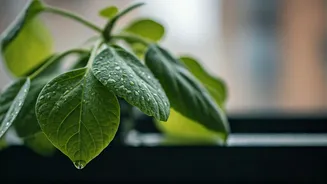
air purifiers, and tending to them can be a meditative, stress-busting activity. The sight of fresh leaves glistening with raindrops and new flowers blooming against a grey sky is a simple, profound joy. It turns your home into a sanctuary, a place to connect with nature even in the heart of a bustling city. It’s about reclaiming a space and making it work for your peace of mind.
The Best Plants That Thrive in Rain
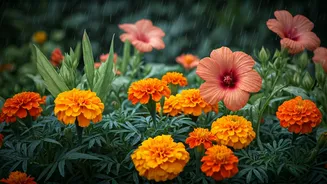
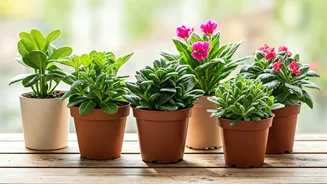
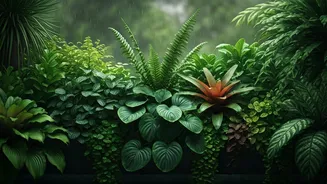
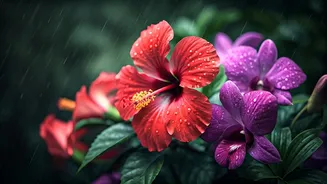
Not all plants enjoy a daily shower, but many absolutely flourish during the Indian monsoon. Your best bet is to choose native or tropical varieties that are accustomed to high humidity and regular watering. For vibrant flowers, consider Balsam (Impatiens balsamina), Marigolds, and rain-loving Hibiscus varieties. Their bright colours—pinks, oranges, and reds—are a perfect contrast to the overcast weather. For lush foliage, you can’t go wrong with ferns, Caladiums with their spectacular patterned leaves, and the ever-reliable Money Plant (Pothos), which will grow enthusiastically. If you love fragrance, varieties of Jasmine (Mogra) and Passion Flower (Krishnakamal) release their beautiful scents into the humid air, especially in the evenings.
Drainage: The Unsung Hero of Monsoon Gardening
This is the single most important rule of monsoon gardening: ensure excellent drainage. Constant rain can lead to waterlogged soil, which is the fastest way to cause root rot and kill your plants. Start with your pots. Make sure every container has at least one, preferably multiple, drainage holes at the bottom. You can even elevate your pots slightly on pot stands or 'pot feet' to allow water to escape freely. When preparing your soil mix, make it lighter and more porous. A good mix is one part garden soil, one part compost, and one part coarse sand or cocopeat. This composition provides nutrients while preventing the soil from becoming a dense, muddy block.
Keeping Pests and Fungi at Bay
High humidity is a breeding ground for pests like mealybugs and aphids, as well as fungal infections. The key is prevention and early detection. Regularly inspect your plants, especially the undersides of leaves and new shoots. If you spot any pests, a simple, organic solution is a neem oil spray. Mix a few drops of neem oil and a drop of mild liquid soap in a litre of water and spray it on the affected areas once a week. To prevent fungal growth, ensure there is good air circulation around your plants; don't overcrowd them. Prune any yellowing or dead leaves immediately to keep the plant healthy and reduce the chances of disease spreading.
Grow Your Own Monsoon Delights
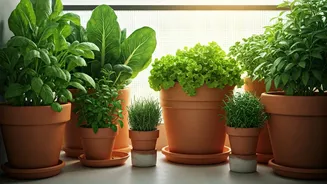
Your green balcony can also be a source of fresh ingredients for your kitchen. The monsoon is a great time to grow herbs that love moisture. Mint (pudina) and Coriander (dhania) grow profusely in pots and are perfect for chutneys or garnishing your favourite rainy-day snacks. You can also easily grow chillies and even some leafy greens like spinach (palak) in containers. There’s a special satisfaction in plucking fresh herbs from your own balcony to add to a hot cup of chai or a plate of pakoras while watching the rain fall.
Creating a Complete Oasis
To truly make your balcony a retreat, think beyond just the plants. Add a comfortable, waterproof chair or a small stool where you can sit with a book and a cup of tea. Hang some simple wind chimes to create a soothing soundtrack with the monsoon breeze. A string of waterproof LED fairy lights can add a magical, warm glow during twilight hours. Your balcony garden isn't just about horticulture; it's about curating a personal space that brings you comfort and joy, turning every rainy day into an opportunity for quiet reflection.