





Go Beyond the Big Gram Count
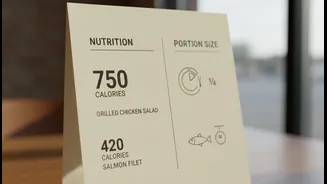
The number that screams for attention — '30g Protein!' — is just the beginning of the story. A high protein count per serving can be misleading if the serving size is unusually large. A better habit is to compare products by their protein content per 100g.
This simple calculation reveals the actual protein density of the product, helping you see past marketing tricks. A quality protein powder should generally deliver 60-75g of protein per 100g of product. Anything less might suggest it contains more fillers than protein.
Investigate the Ingredient List
Ingredients are legally required to be listed in descending order by weight. For a protein supplement, the first ingredient should be a protein source, like 'whey protein isolate' or 'pea protein'. If the first ingredient is a sugar like maltodextrin, or a filler, you're paying a premium for something that isn't primarily protein. This is also where you can spot unwanted additives. A long, complicated list full of artificial sweeteners and fillers is a red flag compared to a clean, simple formula.
Beware of 'Protein Washing'
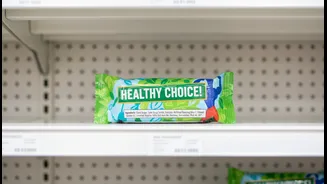
The term 'protein-washed' refers to regular snacks like biscuits, chips, or cereals that have a small amount of protein added to them, allowing brands to market them as a health food. This creates a 'health halo', making you think a product is healthier than it really is. Often, these products are still high in sugar and refined carbs. Just because a cookie has a 'high protein' sticker doesn't make it a substitute for a genuinely nutritious meal. Always check the full nutrition panel, not just the protein claim on the front.
Watch Out for Amino Spiking
A deceptive practice known as 'amino spiking' or 'protein spiking' is a major concern. This is where manufacturers add cheap, low-grade amino acids like glycine and taurine to their protein powder. Standard lab tests measure total nitrogen to determine protein content, and since all amino acids contain nitrogen, these cheap additives can artificially inflate the protein number on the label. You think you're getting 25g of muscle-building whey, but a significant portion might be less useful fillers. A transparent brand will often provide a full amino acid profile on the label, showing the amounts of each essential amino acid, which is a good sign of quality.
Understand the Protein Source
Not all protein is created equal. The label should clearly state the source. Animal-based proteins like whey and casein are 'complete' proteins, meaning they contain all nine essential amino acids your body can't make on its own. Plant-based proteins are often 'incomplete'. However, many brands now use a blend of plant sources (like pea and rice protein) to create a complete amino acid profile. The key is transparency. Be cautious of vague terms like 'proprietary protein blend' if the label doesn't specify what's in it and in what ratios, as it could be a way to hide a reliance on cheaper, lower-quality protein sources.
Check for FSSAI Verification
In India, every legitimate food product, including supplements, must have a 14-digit FSSAI license number displayed on the label. This is the bare minimum legal requirement and a basic check for authenticity. You can verify this number on the FSSAI's own website to ensure the brand is registered with the food safety authority. While this doesn't guarantee the product's quality, its absence is a definitive red flag that the product is not legally compliant.