





The Great Saffron Migration
The month of Shravan, which in 2026 runs from July 30 to August 28 for North India, is synonymous with the Kanwar Yatra. It is one of the largest annual religious pilgrimages on earth. Millions of devotees, known as Kanwariyas, travel—mostly on foot—to
holy sites like Haridwar, Gaumukh, and Sultanganj to collect sacred water from the Ganga. They then carry this water back to offer at Shiva temples in their hometowns, a journey that can span hundreds of kilometres. This mass movement, culminating on Sawan Shivratri (August 11, 2026), sees major highways turn into rivers of saffron-clad pilgrims, creating a unique and immense traffic management challenge.
What Are Dedicated Corridors?
In response to the immense scale of the yatra, authorities in states like Uttar Pradesh, Uttarakhand, and Delhi have developed a strategy of creating 'dedicated corridors'. This involves barricading and reserving entire lanes, and sometimes entire carriageways of major national highways, exclusively for the movement of Kanwariyas. The primary goal is twofold: to ensure the safety of the pilgrims, who are vulnerable on high-speed roads, and to attempt to segregate their movement from regular vehicular traffic, thereby reducing chaos and conflict on the roads. Police and civil defence volunteers are deployed to manage these corridors, which are often monitored with drones and CCTV cameras.
Key Highways and Affected Routes
If you are planning to drive in or out of Delhi-NCR towards Uttarakhand or western Uttar Pradesh during the Kanwar Yatra, expect significant disruptions. The main artery affected is National Highway 34 (formerly NH-58), the Delhi-Meerut-Muzaffarnagar-Haridwar route. This road is the primary path for Kanwariyas heading to and from Haridwar. The Delhi-Meerut Expressway (DME) also faces heavy restrictions, often with complete closures for regular traffic during the peak yatra days. Other key routes facing diversions include NH-9 and major arterial roads within Ghaziabad and Delhi, particularly in the eastern and northeastern parts of the capital.
How to Plan Your Shravan Road Trip
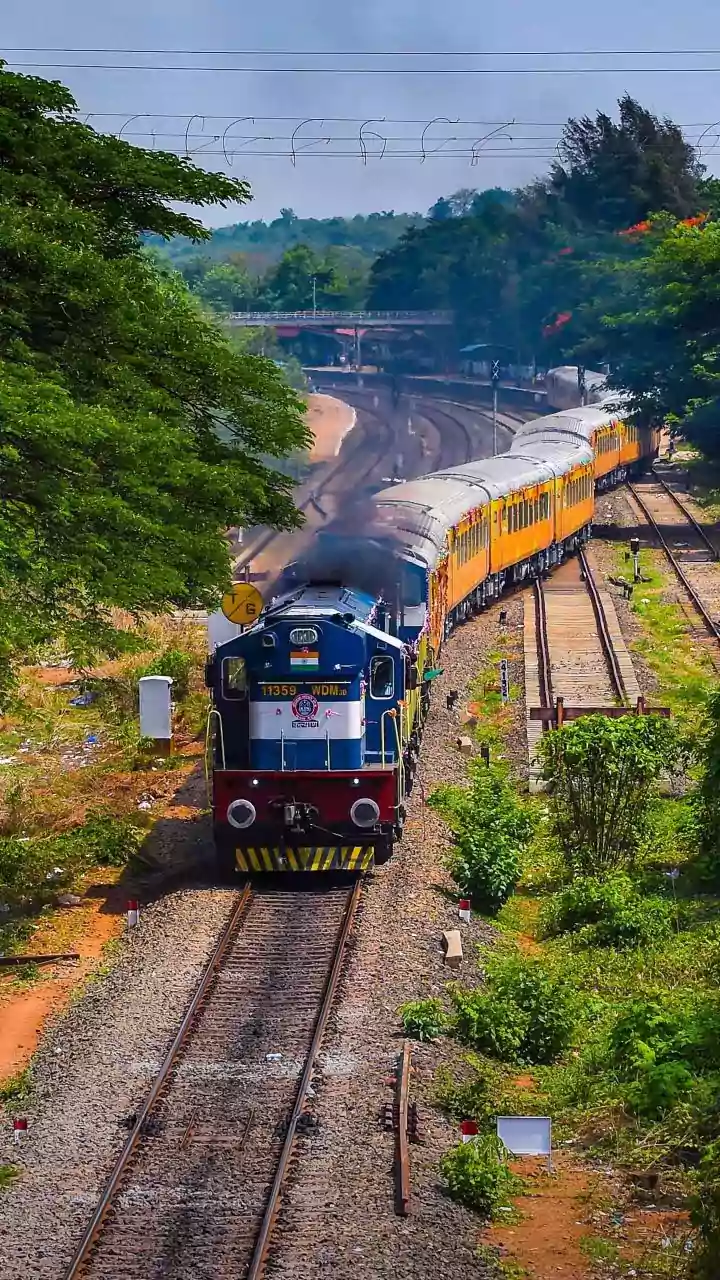
Navigating North India during this period requires planning. The peak disruption generally occurs in the two weeks leading up to Sawan Shivratri. For 2026, this means the period from approximately July 30 to August 12 will be the most challenging for road travel. Before you travel, always check the latest traffic advisories issued by the state and city police departments. These are typically released a week or two before the yatra begins. Consider alternative routes; for example, travellers to Dehradun can take the Panipat-Saharanpur road. If your schedule is flexible, the best advice is to complete your travel before the yatra starts or wait until it concludes around August 13. Using navigation apps with real-time traffic data is essential, but be aware that last-minute closures may not be immediately reflected. For destinations like Dehradun or Rishikesh, taking a train or flight can be a hassle-free alternative.
A More Predictable Disruption
While the idea of entire highways being shut down can sound daunting, the formalisation of dedicated corridors represents a shift from unpredictable chaos to a more structured, albeit massive, disruption. For regular commuters, it means that while their usual routes may be unavailable, the diversions are clearly defined. For authorities, it allows for more organised crowd management. The system is an acknowledgement of the yatra's immense scale and an attempt to create a safer environment for both pilgrims and other road users. It transforms the travel window during Shravan into a period that demands advance planning and an awareness of the designated routes, rather than a complete travel lottery.