





The Post-Monsoon Pull
As the heavy rains of the monsoon subside around September, India's west coast undergoes a breathtaking transformation. The landscape, washed clean, bursts into vibrant shades of green, the humidity drops, and a pleasant, inviting climate takes hold.
This period is widely considered the best time for a 'workation' in India, offering clear skies and fewer weather-related disruptions to power and internet. For digital nomads, this marks the perfect window to settle in. The season kicks off with fresh energy, combining the beauty of a lush, post-rain environment with the buzz of businesses reopening for the peak tourist months that follow.
Goa: The Established Nomad Hub
Goa's reputation as a haven for travellers is decades old, but its evolution into a digital nomad hotspot is a more recent phenomenon. The state has a robust and mature infrastructure catering to remote workers. North Goa, particularly areas like Anjuna, Vagator, and Assagao, has become a nucleus of this movement, boasting a high concentration of co-working spaces, co-living properties, and laptop-friendly cafes. Hubs like NomadGao and 91Springboard offer reliable high-speed internet, power backup, and a ready-made community—solving the classic nomad problems of connectivity and isolation. Goa offers diverse vibes, from the bustling party scenes in Anjuna to the quieter, more bohemian feel of Morjim and the urban conveniences of Panjim. This variety allows nomads to choose an environment that suits their work style and social preferences, all while enjoying a relatively low cost of living compared to Western countries.
Varkala: The Serene Challenger
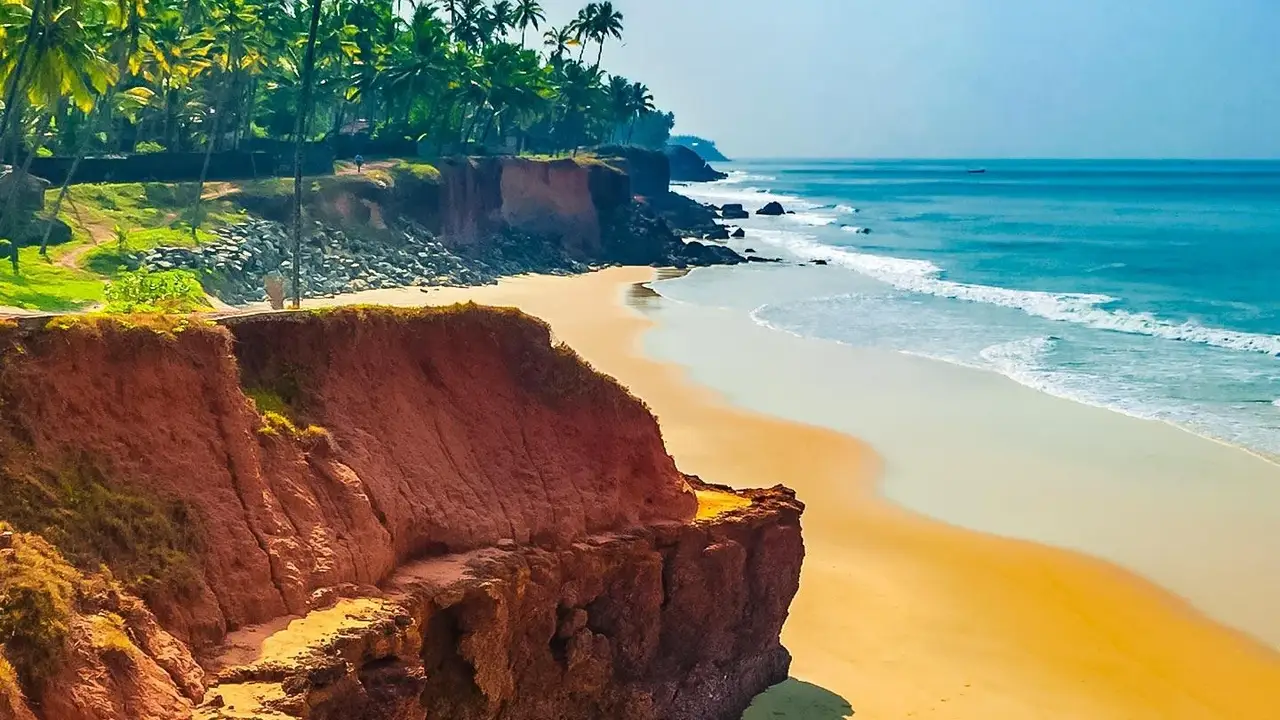
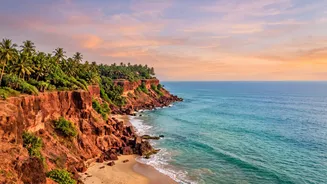
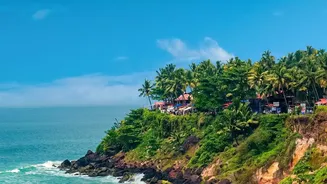
For those who find Goa's energy a bit too distracting, Varkala in Kerala has emerged as a tranquil and compelling alternative. Its unique cliff-top setting, overlooking the Arabian Sea, provides an inspiring backdrop for a workday. The vibe here is slower, more focused on wellness, with yoga and Ayurveda retreats being a central part of the lifestyle. Varkala's digital nomad community is smaller and more tight-knit than Goa's, which many find appealing for fostering genuine connections. While its infrastructure is still developing, the town is rapidly adapting, with many cliffside cafes offering stable Wi-Fi and hostels creating dedicated workspaces. The cost of living in Varkala is exceptionally affordable, making it a top choice for nomads who prioritize experience and cultural immersion over a bustling social scene.
Connectivity and Cost: The Deciding Factors
For any digital nomad, the practicalities of internet and budget are paramount. Goa generally has the upper hand with more developed infrastructure, including fibre broadband in key areas offering speeds from 50 to over 150 Mbps. However, even in Goa, power cuts can be an issue, though many co-working spaces have reliable backup. Varkala's internet is improving, with average speeds between 10-30 Mbps in cafes, but a local SIM card (like Jio or Airtel) for backup is highly recommended. In terms of cost, both destinations are budget-friendly. A month in Varkala can cost between ₹35,000 and ₹90,000, while Goa's monthly expenses can be managed around ₹30,000 with a modest lifestyle, though this can increase significantly depending on accommodation and social habits.
A Tale of Two Communities
Ultimately, the choice between Goa and Varkala often comes down to the type of community a remote worker is seeking. Goa offers a large, diverse, and international network with constant events, workshops, and social gatherings, making it easy to network and meet new people. It's a place where work-life balance can easily tip into a vibrant social life. Varkala, on the other hand, provides a quieter, more intimate community. It's a destination for those who prefer deeper connections with a smaller group, a slower pace of life, and a work routine that integrates seamlessly with wellness and nature. The town attracts writers, designers, and developers who are looking for focus and inspiration away from the crowds.