
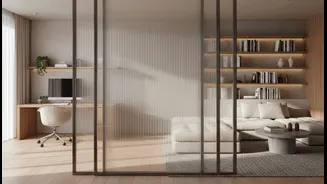
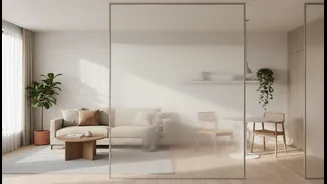
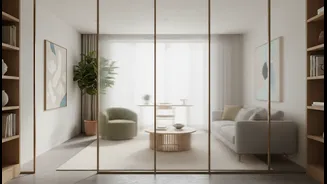


Beyond the 'Instagram' Aesthetic
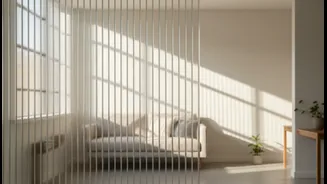
For years, the popular image of minimalism has been one of pristine, museum-like homes that seem better suited for a photoshoot than for actual living. This often leads to the style being dismissed as cold, impersonal, and impractical for most people.
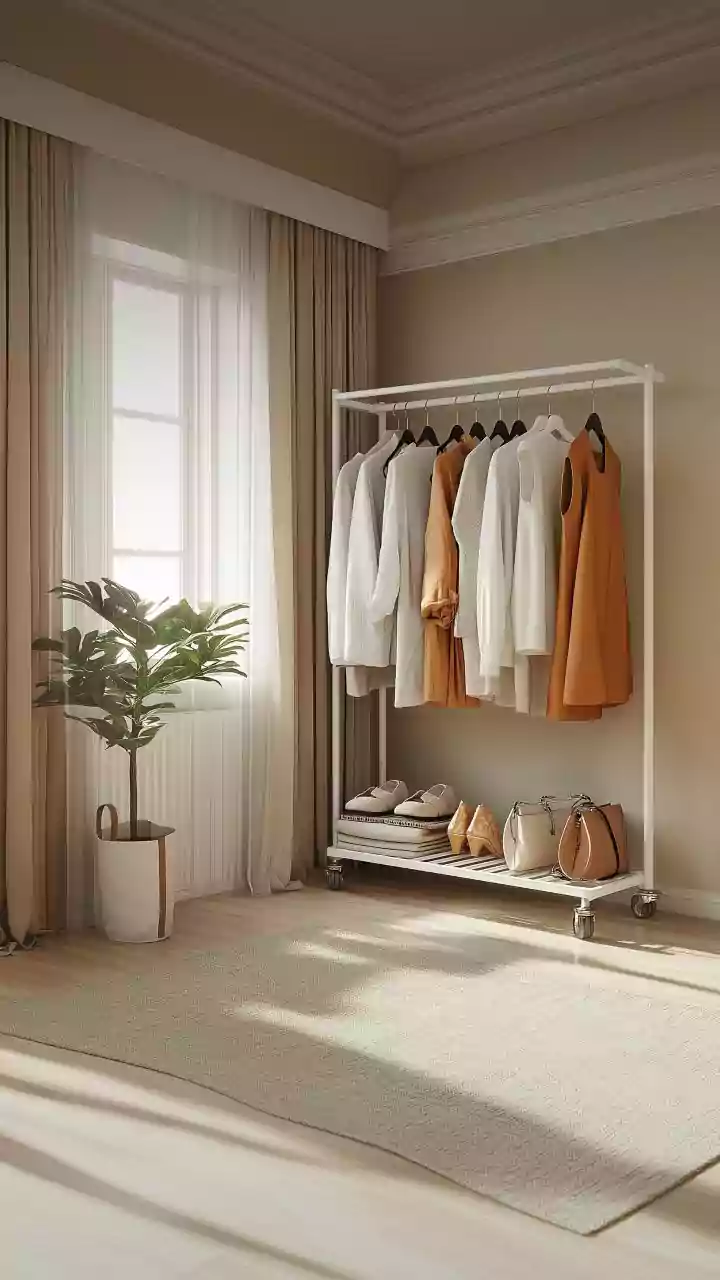
However, a more inviting and realistic interpretation, often called “warm” or “cozy minimalism,” is gaining traction. This philosophy isn't about owning the fewest possible items; it's about making intentional choices to create a space that is both functional and joyful. The goal is not deprivation but curation—keeping only what serves a purpose or brings you genuine happiness, creating a calm, uncluttered backdrop for your life. It’s a move away from a sterile look toward a style that feels soothing, personal, and, most importantly, lived-in.
Let Your Personality Shine Through
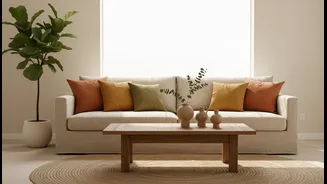
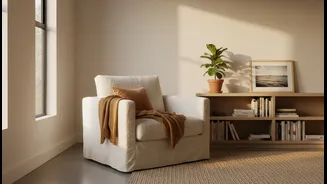
A common fear with minimalism is that it will erase your personality from your home. Livable minimalism argues the opposite. When you remove the excess clutter, the items you choose to keep are given the space to stand out and tell your story. This is where your personality takes centre stage. Display a treasured piece of art, not ten. Showcase meaningful souvenirs from your travels, a collection of family photos, or a few beloved books. Incorporating textiles is another powerful way to add character and warmth. A chunky knit throw, a patterned rug, or cushions in your favourite colour can instantly make a space feel more personal and inviting without adding clutter. The key is to be selective. Every item should earn its place, either through its usefulness or the meaning it holds for you.
Embrace Textures and Natural Materials
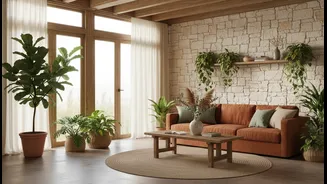
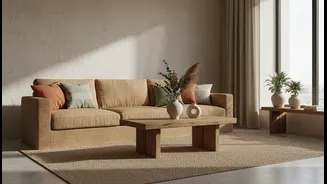
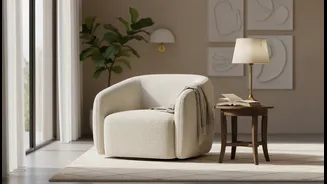
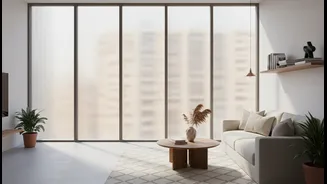
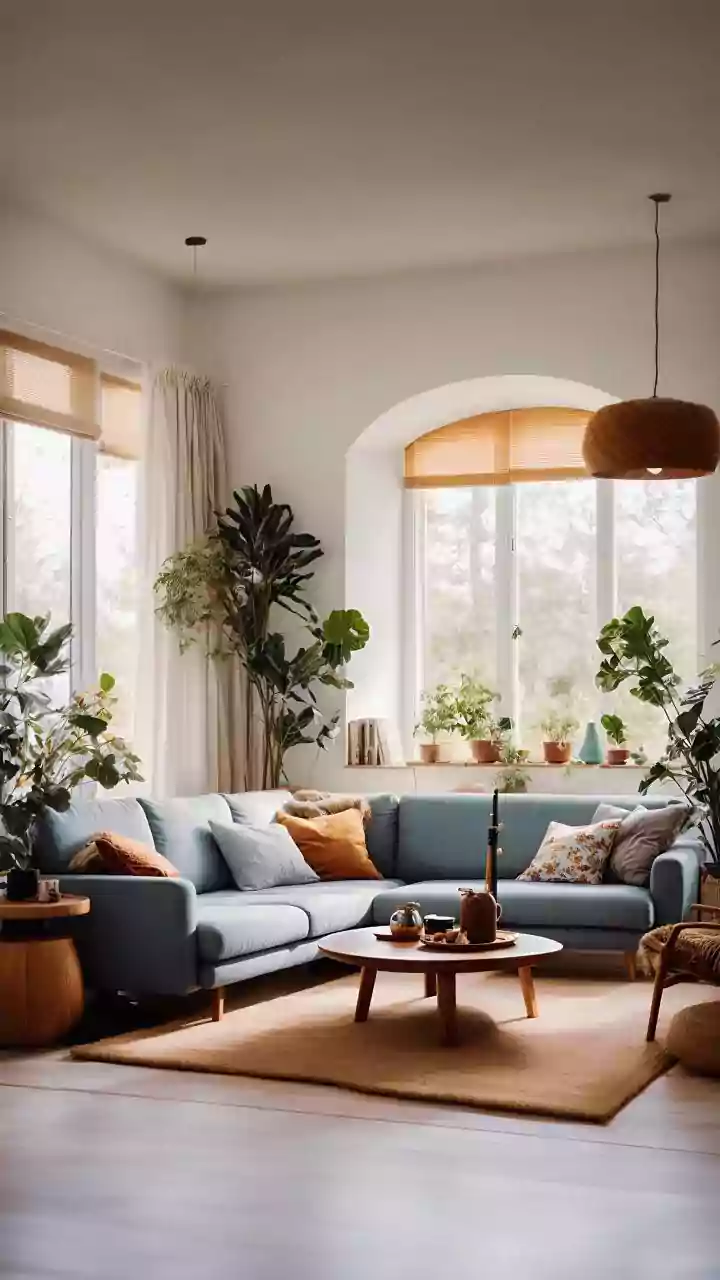
One of the secrets to making a minimalist space feel warm and not sterile is a focus on texture and natural materials. Think of the contrast between a smooth wooden coffee table, a soft linen sofa, a nubby wool rug, and a cool ceramic vase. These varied surfaces add visual interest and a tactile richness that prevent the room from feeling flat or cold. Materials like wood, stone, jute, and cotton connect the space to the natural world, creating a serene and grounded atmosphere. Lighting also plays a crucial role. Instead of harsh overhead lights, use layered lighting—table lamps, floor lamps, and even candles—to create a soft, welcoming glow that enhances the different textures in the room.
Making Room for the 'Daily Mess'
Perhaps the most radical idea in livable minimalism is the acceptance of daily mess. A home is for living, which means there will be books on the nightstand, a half-finished cup of tea on the counter, and shoes by the door. The goal isn't to achieve a constant state of perfection, but to create a system where tidying up is simple and quick. Because the space is fundamentally uncluttered, these small signs of life don't create a sense of chaos. Everything has a designated home, so clearing surfaces becomes a five-minute task, not an hour-long ordeal. This approach reduces the stress associated with maintaining a 'perfect' home and allows you to simply enjoy the space you’ve created, mess and all.
How to Get Started
Adopting a livable minimalist approach doesn't require a dramatic overhaul. Start small. Pick one drawer, one shelf, or one small area and clear it out completely. Sort the items into three piles: keep, donate, and discard. Be honest with yourself about what you truly use and love. As you put the 'keep' items back, find a logical, designated home for each one. Adopting a 'one in, one out' rule can also help maintain this balance long-term; for every new item you bring into your home, let one go. The process is not about reaching an endpoint, but about continuously and mindfully curating a home that supports a calmer, more intentional life.