




An Invitation to Get Soaked
“You’re going trekking? In this weather?” The question, laced with genuine concern and a hint of disbelief, is a familiar refrain for anyone planning a monsoon adventure. Convention dictates that the rainy season is for indoor comforts: for pakoras and old
movies, for watching the world get washed clean from the safety of a dry balcony. The idea of voluntarily stepping into a downpour, onto a muddy trail, seems counterintuitive, almost absurd. Yet, for a growing number of us, the call of the rain-drenched hills is irresistible. It’s an invitation not just to a place, but to a different state of mind—one where you don’t just tolerate the rain, you embrace it as the main character of your story.
First Steps on a Verdant Trail
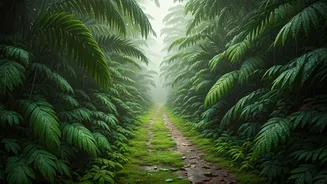
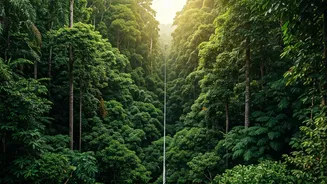
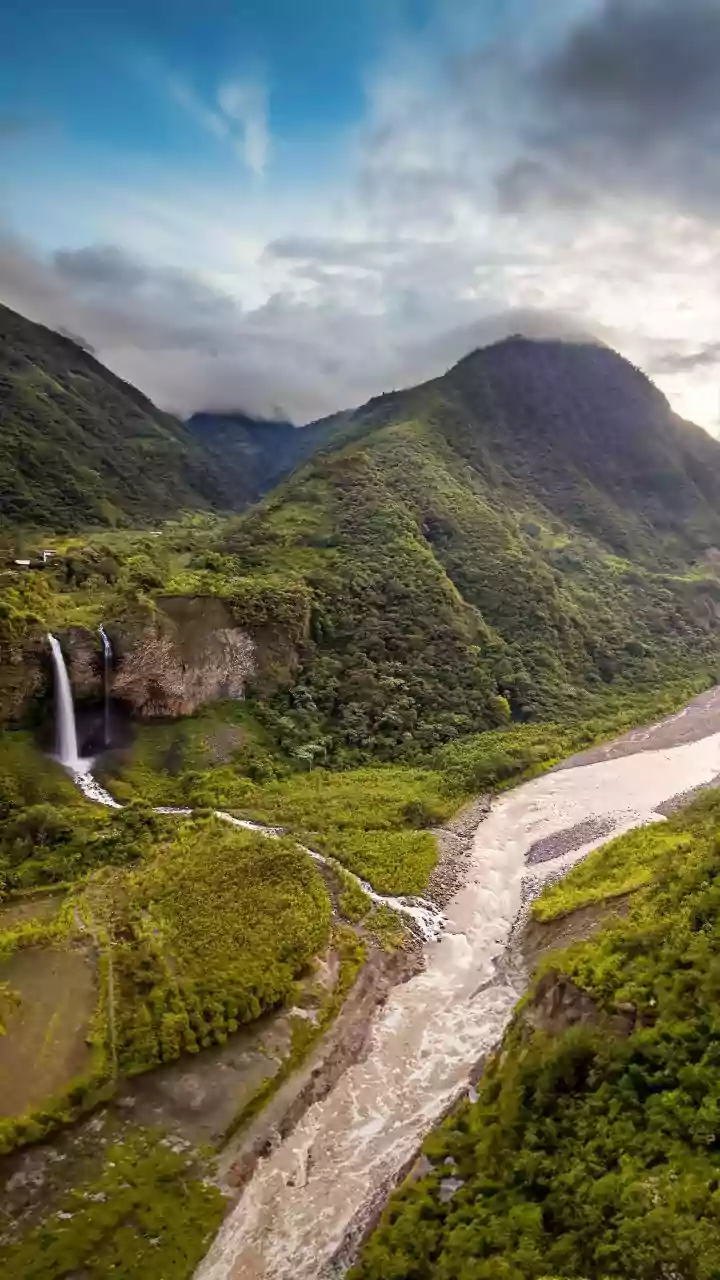
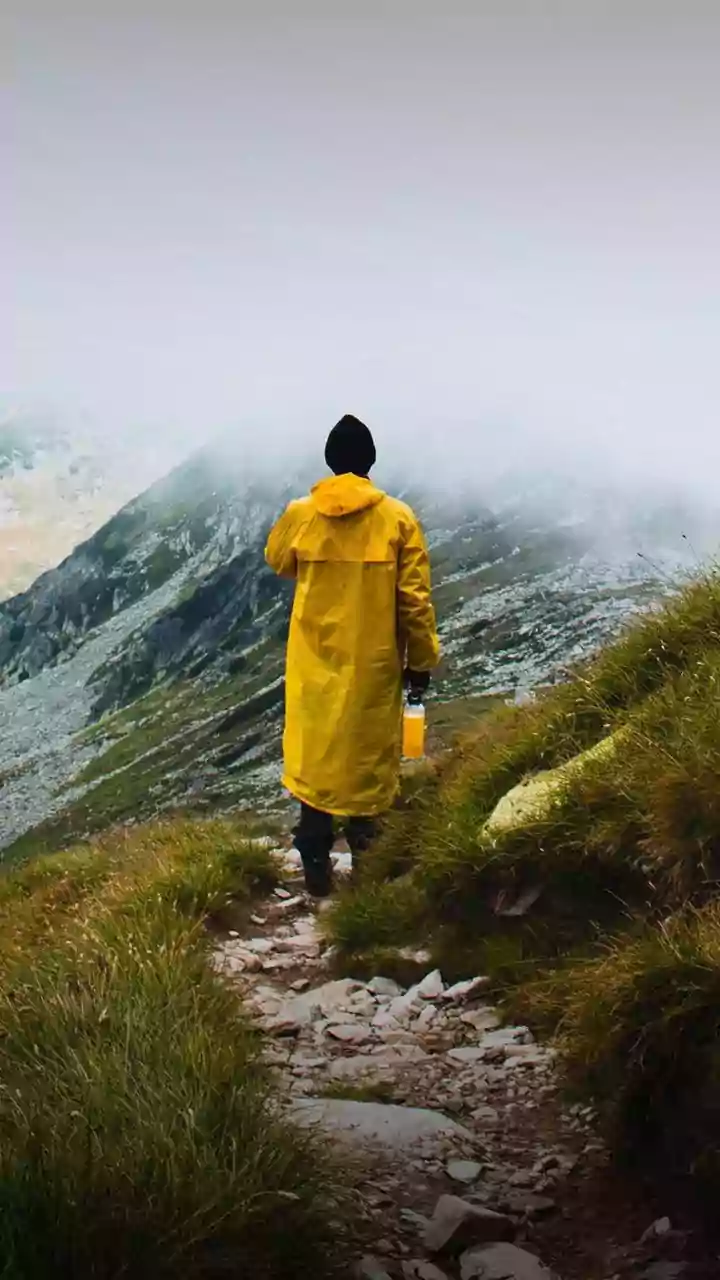
The journey often begins with a jolt. The first drops are cold, seeping through the supposed 'waterproof' layer of your jacket. The path, once a dusty brown, is now a slick, dark ribbon of mud demanding your full attention. Every step is deliberate. But then, you look up. The world has transformed. The Western Ghats, or any of our country's great ranges, shrug off their summer dryness and cloak themselves in an impossible number of greens. From the electric lime of new leaves to the deep emerald of moss-covered rocks, the landscape is bursting with life. The air, thick with humidity, carries the intoxicating scent of petrichor—the smell of wet earth—a perfume no bottle could ever capture.
A Symphony for the Senses
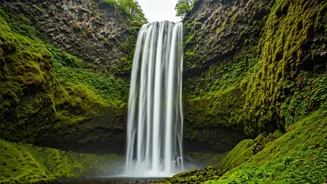
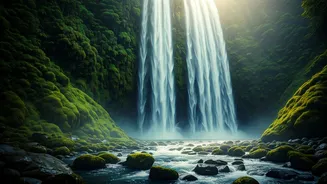
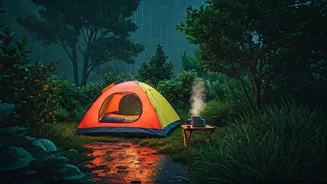
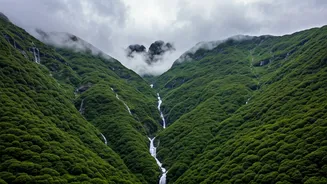
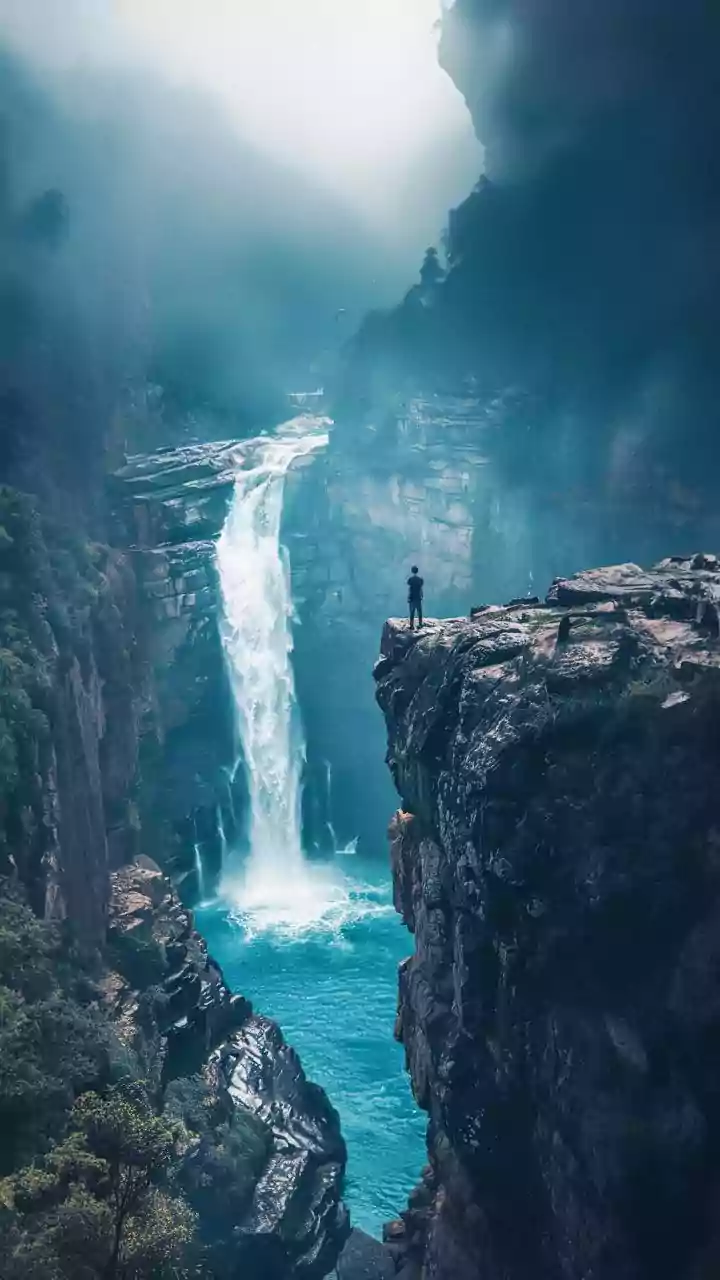
A monsoon trek is less a visual feast and more a full-blown sensory symphony. The primary instrument is the rain itself: a gentle pitter-patter on your hood, a roar as it cascades down a rock face, a constant, soothing hush in the background. It’s the soundtrack to the sudden appearance of a thousand temporary waterfalls, gushing down hillsides where none existed a month before. Your ears tune into the chorus of croaking frogs and the frantic buzz of insects. Your hands feel the rough bark of a wet tree, the cool spray from a waterfall. And then there's the taste—the unparalleled joy of sipping steaming, sugary chai from a tiny stall, huddled under a tin roof with fellow trekkers, your hands warmed by the glass as the rain drums down outside. It’s a moment of simple, profound bliss.
The Challenge Is the Charm
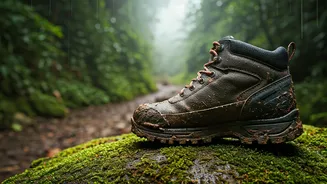
Let’s be clear: it’s not all romantic poetry. There are challenges. Leeches are a reality, though easily managed with a bit of salt or sanitizer. The path can be treacherous, and a slip is almost a rite of passage. You will be damp, if not completely soaked, for most of the day. Your shoes will squelch. But here lies the unexpected magic. Overcoming these small adversities builds a quiet confidence and a powerful sense of camaraderie. Helping a fellow trekker over a slippery patch or sharing a laugh after a comical fall binds you together. You aren't just observing nature; you are actively participating in it, negotiating with its terms. The struggle makes the reward feel earned.
The View from a Cloud
Often, the summit of a monsoon trek doesn't offer a crisp, clear panoramic view. Instead, you get something far more ethereal. You might find yourself standing on a peak, completely enveloped in a cloud. The world below disappears into a soft, white void. There’s a sudden silence, the rain momentarily pausing, and you are suspended between earth and sky. It’s a deeply meditative experience. The grand vista is replaced by an intimate, personal one. It’s not about seeing for miles, but about feeling the immensity of the moment. You didn’t just climb a hill; you walked into the sky.