



Rediscovering an Ancient Grain
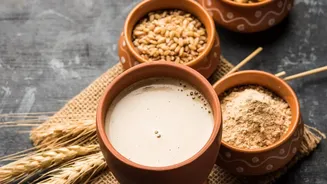
First, what exactly is Khapli wheat? Known botanically as Emmer wheat, it's one of the oldest grains cultivated by humankind, with evidence of its use in India dating back millennia. Unlike modern wheat, which has been extensively hybridized for higher
yields, Khapli is an ancient 'landrace' grain that has remained largely unchanged. Traditionally grown in regions like Maharashtra, Karnataka, and Gujarat, it was pushed to the margins during the Green Revolution. Now, a growing awareness of its benefits is bringing this heritage grain back from the brink and onto our plates.
A Nutritional Upgrade for Your Plate
The renewed interest in Khapli wheat is driven by its impressive nutritional profile. Compared to regular whole wheat, it is notably higher in protein and dietary fibre. This high fibre content aids digestion, promotes a feeling of fullness that can help with weight management, and feeds beneficial gut bacteria. Perhaps its most celebrated quality is its low Glycemic Index (GI). Foods with a low GI release sugar into the bloodstream slowly, preventing the sharp spikes associated with modern, refined flours, making it a favourable choice for managing blood sugar levels. It's also a richer source of essential minerals like magnesium, iron, and zinc.
The Low-Gluten Question
Many people find Khapli wheat easier to digest, which is often attributed to its gluten structure. While it is important to state clearly that Khapli wheat is not gluten-free and is unsafe for individuals with celiac disease, its gluten content is lower and considered more digestible by some people with mild gluten sensitivity. This can make it a gentler option for those who experience discomfort from modern wheat products but do not have a diagnosed gluten allergy.
Good for You, Better for the Land
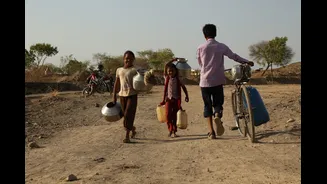
The benefits of choosing Khapli extend far beyond personal health. This grain is a champion of sustainable agriculture. As a hardy, resilient crop, it is naturally drought-tolerant and can thrive in less fertile soils with fewer chemical inputs like pesticides and fertilizers. Its tough outer husk provides natural protection against pests. By cultivating a crop that is well-suited to local climates, farmers reduce their reliance on water and chemicals, which helps preserve soil health, reduce pollution, and promote biodiversity. Some farmers report that growing Khapli even improves the soil's carbon content, contributing to a healthier agricultural ecosystem.
Supporting India’s Farming Communities
When you choose Khapli, you are also casting a vote for a different kind of food system. The revival of this ancient grain supports farmers who are preserving India's agricultural heritage. It offers them a viable, premium-priced alternative to monoculture cash crops, which can be vulnerable to market fluctuations and climate change. This helps diversify farmer income and fosters a more resilient rural economy. By creating demand for traditional grains, consumers directly encourage the preservation of crop biodiversity and support farming practices that are in harmony with the environment.