


The Dinner Table Dilemma
It’s a familiar scenario: you’re excited to cook a fragrant curry or a robust stew, but one guest loves fiery heat while another finds black pepper too adventurous. The usual compromises often lead to a dish that’s too spicy for some and disappointingly
bland for others. This approach of cooking to a single, medium spice level rarely satisfies anyone. But what if you could cook one pot of food that delivers maximum flavour to everyone, regardless of their heat tolerance? The secret isn't to tone everything down, but to separate the development of flavour from the addition of heat. By focusing on a rich, aromatic foundation, you create a canvas that everyone can enjoy, with spice added as a final, personal touch.
Understanding the Mild Flavour Base
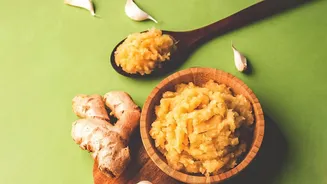
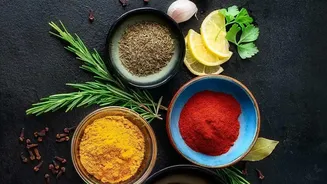
The foundation of any great dish, from Indian curries to Mexican moles, is its flavour base. This is the initial layer of aromatics and spices cooked in fat to build complexity. A mild base follows this exact principle but deliberately omits the primary source of heat, like fresh chillies or cayenne pepper, during the initial cooking stages. Think of sautéed onions, ginger, and garlic, or whole spices like cumin seeds, coriander, and cinnamon 'blooming' in hot oil to release their essential oils. The goal is to create a sauce or gravy that is deeply savoury, aromatic, and complex on its own. Most of the compounds responsible for flavour are fat-soluble, not water-soluble, so cooking them in oil or ghee extracts their essence, which can't be achieved by just boiling them. This ensures the dish is anything but bland, even before a hint of chilli is introduced.
How to Build a Rich, Mild Foundation
Building your base is a patient process of layering. Start by heating oil or ghee over a medium flame. Add whole spices like cumin seeds or mustard seeds first; they need time to pop and release their aroma. Next, introduce your aromatics—finely chopped onions, garlic, and ginger—and cook them slowly until they soften and turn golden brown, which develops a nutty sweetness. This is followed by ground spices like turmeric, ground coriander, and paprika. They require less time and can burn quickly, so add them briefly before introducing a liquid like chopped tomatoes, stock, or coconut milk to create the sauce. At this point, you have a complete, flavour-packed dish that is accessible to even the most spice-averse person at the table.
The Art of Adding Heat at the End
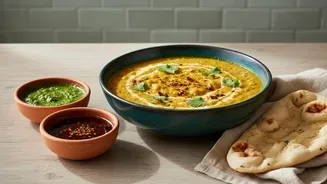
With your delicious mild base ready, it’s time to empower your guests to choose their own adventure. Providing heat separately is not just about shaking some chilli flakes on top; it can be an opportunity to add another layer of flavour. Here are some effective methods: 1. Finishing with a 'Tadka' (Chaunk): A classic Indian technique, the tadka involves heating a small amount of ghee or oil and blooming spices like mustard seeds, dried red chillies, and cumin in it. This fragrant, fiery oil is then drizzled over individual portions just before serving, adding a dramatic sizzle and a potent layer of flavour. 2. Infused Oils and Hot Sauces: A quality chilli oil or a selection of hot sauces allows for precise heat control. From a smoky chipotle sauce to a vinegary Tabasco or a garlicky sriracha, these condiments can also complement the flavour profile of your base dish. 3. Fresh or Pickled Chillies: A small bowl of finely chopped fresh green chillies, jalapeños, or habaneros offers a bright, sharp heat. Alternatively, simple chilli pickles made with vinegar can provide both heat and a pleasant acidity.
Why This Method Protects Flavour
The burning sensation from chillies comes from a compound called capsaicin. It triggers pain receptors in our mouths that are also responsible for detecting high temperatures. When you cook for a mix of people, their sensitivity to capsaicin can vary dramatically due to genetics and exposure. Adding a lot of chilli at the start can overwhelm the subtler notes of other spices for those with low tolerance. By keeping the base mild, you allow the complex flavours from ingredients like ginger, garlic, coriander, and toasted cumin to shine through for every palate. Those who add heat at the end get the fire they desire without it masking the foundational flavours of the dish. This method ensures that no one's experience is compromised; instead, it's enhanced.