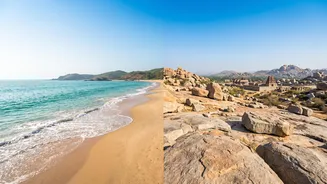




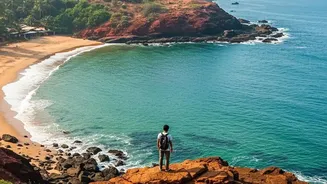
The Vibe: Boulders vs. Beaches
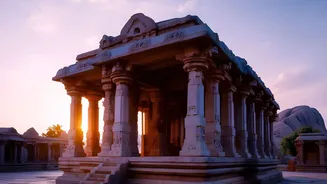
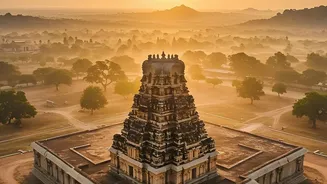
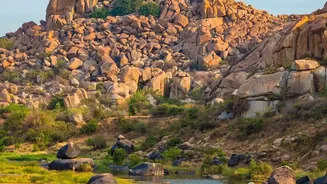
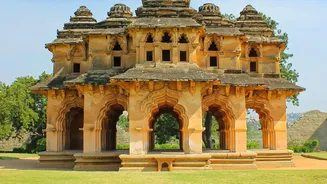
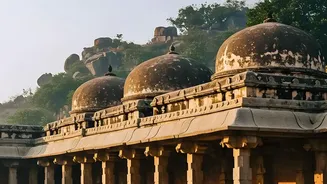
Hampi and Gokarna are worlds apart in their atmosphere. Hampi, a UNESCO World Heritage Site, is an open-air museum spread across a surreal landscape of giant boulders and the Tungabhadra River. The vibe is one of historical exploration and spiritual wonder.
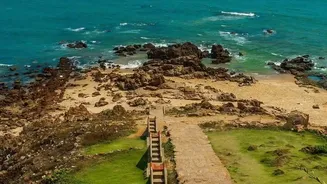
You'll spend your days cycling or walking through the ruins of the Vijayanagara Empire, feeling like an explorer discovering a lost world. Gokarna, on the other hand, is the epitome of a relaxed beach town, often called a quieter alternative to Goa. Its soul lies in the string of pristine beaches, from the lively Om Beach to the secluded Paradise Beach, connected by scenic trekking trails. The atmosphere here is slow, contemplative, and perfect for unwinding in a seaside shack with a book in hand.
Activities: Temple Ruins or Ocean Tides
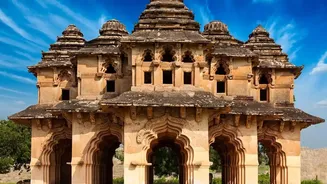
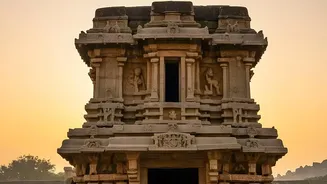
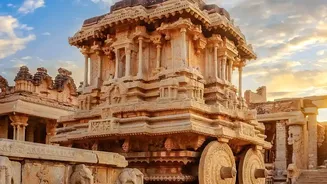
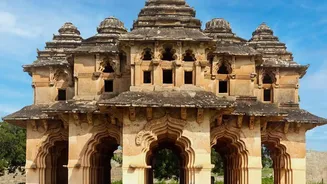
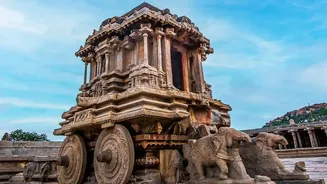
Your days in Hampi will be filled with discovering architectural marvels. Key attractions include the iconic Stone Chariot at the Vittala Temple, the towering Virupaksha Temple, and the intricate carvings of the Royal Enclosure and Queen's Bath. Climbing Matanga Hill for a panoramic sunrise or sunset is a quintessential Hampi experience, as is a coracle boat ride on the river. In Gokarna, the focus shifts to the coast. Activities revolve around the water: swimming, sunbathing, and enjoying water sports like jet skiing and banana boat rides at Om Beach. A popular activity is the beach trek, a scenic hike connecting Kudle, Om, Half Moon, and Paradise beaches. While Gokarna also has significant temples like the Mahabaleshwar Temple, the beaches are the main draw for most visitors.
The Journey: Getting There
Both destinations are accessible from major hubs like Bangalore, but the journeys differ. Reaching Hampi typically involves taking a train or overnight bus to Hospet (or Hosapete), the nearest town just 13 km away, from where you can take a short auto-rickshaw ride. The journey from Bangalore takes about 7-8 hours by road or train. Getting to Gokarna from Bangalore also involves an overnight journey of about 10-12 hours by bus or train. While overnight buses are a popular and direct option, train travelers might need to get down at Gokarna Road or the nearby Ankola station and take local transport.
Best Time To Visit
Timing is crucial for both locations. The best time to visit Hampi is during the winter months, from October to February, when the weather is cool and pleasant for exploring the vast, open-air ruins. Summers (March to June) in Hampi are extremely hot and best avoided. Gokarna also shines in winter (October to March), offering sunny skies and calm seas perfect for beach activities. While the monsoon (June to September) transforms Hampi into a lush, green landscape, it can make exploration difficult. In Gokarna, the monsoon brings heavy rains that shut down most beach shacks and water sports.
Accommodation And Costs
Both destinations cater to a range of budgets. In Hampi, you can find guesthouses and homestays on both sides of the river, with the 'Hippie Island' side (Virupapur Gaddi) known for its laid-back, budget-friendly options. Food is predominantly vegetarian on the main temple side. Gokarna offers a mix of simple beach shacks, guesthouses in town, and more upscale resorts near Kudle and Om beaches. Costs for food and lodging are generally reasonable in both places, making them popular choices for backpackers and budget travelers. However, prices can increase during the peak tourist season in winter.