



What Exactly is Sattu?
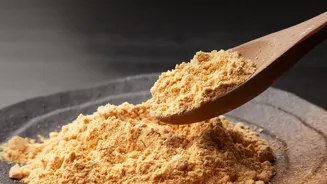
Sattu is a flour made from roasted Bengal gram (chana), and sometimes a mix of other grains like barley. The process is simple yet effective: the grains are dry-roasted, which imparts a unique nutty flavour and makes them easier to digest, and then ground
into a fine powder. Unlike besan (gram flour), which is made from raw chickpeas, sattu requires no cooking and can be consumed directly, making it a convenient food staple, especially in regions like Bihar, Uttar Pradesh, and Jharkhand. For generations, it has been the go-to source of instant energy for farmers and labourers.
The Ultimate Recovery Fuel
The headline feature of sattu is its impressive protein content. Most chickpea-based sattu contains about 20-25 grams of protein per 100 grams, making it an exceptional plant-based source for muscle repair and growth. After a workout, your muscles need protein to repair the tiny tears caused by exercise, and sattu provides the essential amino acids needed for this process. Consuming it post-workout can help reduce muscle soreness and improve stamina. Its complex carbohydrates ensure a sustained release of energy, preventing the sudden sugar spikes and crashes associated with many other post-exercise recovery drinks.
More Than Just Protein
Beyond muscle recovery, sattu is a nutritional powerhouse. It is rich in insoluble fibre, which is excellent for gut health, aiding digestion and preventing issues like constipation and bloating. Traditionally consumed as a cooling drink in the summer, sattu helps keep the body hydrated and replenishes electrolytes lost through sweat. It's also packed with essential minerals like iron, magnesium, and calcium, which are vital for everything from bone health to energy production. With a low glycaemic index, it's a suitable food for managing blood sugar levels.
Building Your Perfect Sattu Smoothie Bowl
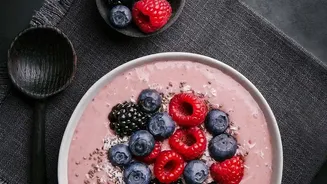
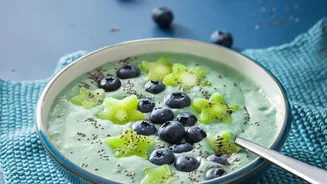
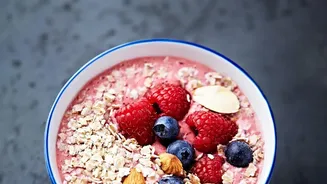
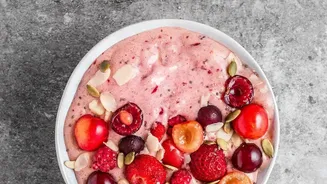
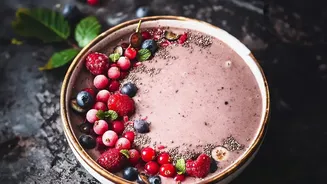
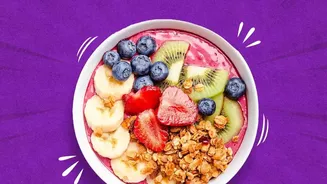
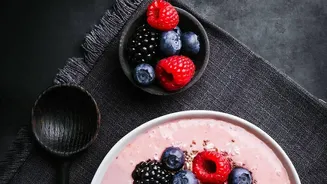
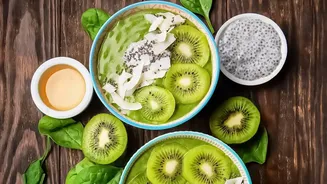
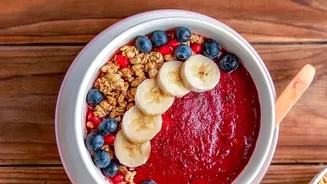
Creating a sattu smoothie bowl is a simple and versatile way to enjoy its benefits. The goal is to create a thick, spoonable consistency, richer than a drinkable smoothie. A good starting point is to blend a liquid base with sattu, a natural sweetener, and a thickening agent like a frozen banana.
Here’s a basic framework:
- Liquid Base (1 cup): Use milk, almond milk, oat milk, or even coconut water.
- Sattu (3-4 tablespoons): This provides the protein and the nutty base flavour.
- Thickener (1/2 to 1 whole): A frozen banana is perfect for a creamy texture. You can also use mango pulp or a handful of rolled oats.
- Sweetener (to taste): Dates, a drizzle of honey, or jaggery powder work well.
Blend all ingredients until smooth and thick, pour into a bowl, and you're ready for toppings.
Three Bowl Ideas To Get Started
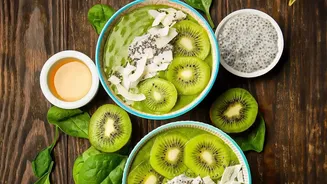
The beauty of smoothie bowls lies in the toppings, which add texture, flavour, and extra nutrients.
1. The Classic Fruit & Nut Bowl: Start with a banana-sattu base. Top with fresh pomegranate seeds, sliced almonds, pumpkin seeds, and a sprinkle of chia seeds. This adds antioxidants, healthy fats, and extra fibre.
2. The Chocolate Lover's Bowl: Blend your sattu and banana base with a tablespoon of unsweetened cocoa powder. Top with dark chocolate shavings, a spoonful of peanut butter, and some chopped walnuts for a decadent yet healthy treat.
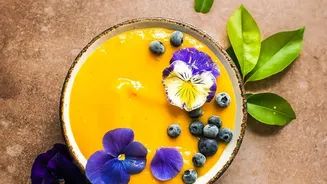
3. The Tropical Mango Bowl: Use mango pulp instead of banana for your base. Blend with sattu and a splash of coconut milk. Top with fresh mango chunks, toasted coconut flakes, and a few mint leaves for a refreshing and vibrant breakfast.