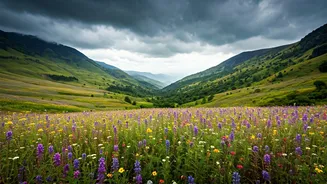



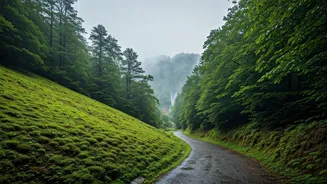



Valley of Flowers National Park, Uttarakhand
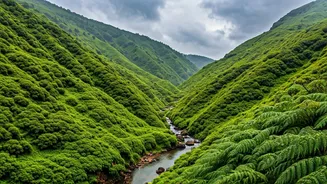
This UNESCO World Heritage Site is the literal interpretation of the headline. While many parks close, the Valley of Flowers opens in June, hitting its absolute peak from mid-July to mid-August. During this window, the valley transforms into a breathtaking
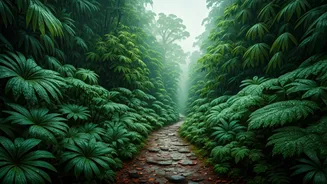
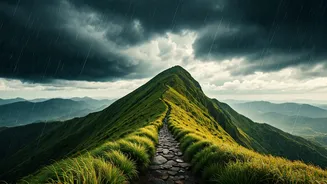
carpet of over 600 species of alpine flowers, including the famed Himalayan Blue Poppy and the rare Brahma Kamal. The monsoon rains bring this high-altitude meadow to life, creating a vibrant, colourful spectacle framed by misty peaks. The trek to the valley is as much a part of the experience, offering lush landscapes and a sense of profound peace. It’s a trekker’s paradise and a photographer’s dream, truly representing nature in full bloom.
Periyar National Park, Kerala
Down south in Kerala, Periyar National Park offers a different but equally magical monsoon experience. The park, famous for its elephants, remains open year-round, and the rainy season (June to September) turns it into a lush, green paradise. The most unique way to experience Periyar during this time is via a boat safari on the expansive Periyar Lake. The rains fill the lake, and animals, including large herds of elephants, gaur, and sambar, are often seen along the water's edge. The cool, misty weather and the vibrant green of the forest make for stunning photography and a serene wildlife-watching experience, with fewer crowds than in the peak winter season.
Keoladeo National Park, Rajasthan
While Rajasthan is known for its arid landscapes, the monsoon brings a dramatic transformation to Keoladeo National Park in Bharatpur. This world-famous bird sanctuary, a UNESCO World Heritage Site, comes alive as the rains replenish its wetlands. The monsoon marks the breeding season for many resident birds like painted storks, herons, and kingfishers. The park buzzes with activity as birds build their nests, creating a fantastic spectacle for birdwatchers. The landscape becomes a lush paradise, offering a different side of Rajasthan that is often overlooked. You can explore the park on a rickshaw, with knowledgeable local guides who can point out the flurry of avian activity.
Kabini, Karnataka
Part of the larger Nagarhole National Park, Kabini is widely considered one of South India's premier year-round wildlife destinations, but it holds a special charm during the monsoon. The rains bring a new vibrancy to the forest, and the backwaters of the Kabini reservoir swell, attracting massive herds of elephants. This season offers incredible photographic opportunities, with dramatic skies and lush green backdrops. Boat safaris on the reservoir provide a fantastic platform to see elephants playing in the water, along with crocodiles and a rich variety of birdlife. Jeep safaris into the forest are equally rewarding, with the rain-washed landscape increasing the chances of spotting elusive predators like leopards and even tigers.
Bandipur National Park, Karnataka
Adjacent to Kabini, Bandipur offers a similarly enchanting monsoon experience. While some sources claim the park is closed, safaris often continue, especially in the buffer zones, offering a chance to see the jungle in its greenest avatar. The monsoon paints the dry deciduous forests in vibrant shades of green, and the air is fresh and clean. It's a time of rejuvenation for the forest, and while animal sightings can sometimes be challenging due to the dense foliage, the sheer beauty of the rain-washed landscape is a reward in itself. For those who appreciate the atmospheric beauty of the jungle, a monsoon drive through Bandipur is an unforgettable experience.