





The Two-Hour Rule and the 'Danger Zone'
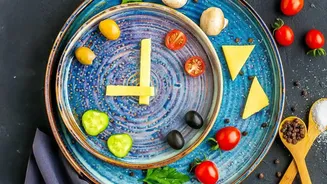
The most critical concept in food safety is the 'temperature danger zone'. According to the US Department of Agriculture (USDA), this is the range between 4°C and 60°C, where bacteria can multiply rapidly. The fundamental rule is that perishable foods
should not be left at room temperature for more than two hours. If the ambient temperature is high, such as above 32°C which is common during Indian summers, this window shrinks to just one hour. After this period, even if food looks and smells fine, it may harbour harmful bacteria that can cause illness. Some bacteria can even produce heat-resistant toxins that reheating cannot destroy.
Choose Your Travel Menu Wisely
The best way to ensure food safety is to choose foods that are naturally resistant to spoilage. Prioritise items with low moisture content. Dry snacks like roasted makhana, khakhra, chakli, murmura (puffed rice), and homemade granola bars are excellent choices. Hard fruits that you can peel yourself, such as bananas and oranges, are safer than pre-cut fruits. For meals, consider options that travel well. Dry preparations like thepla, besan chilla, and stuffed parathas are generally safer than curries with a lot of gravy. High-risk foods include dairy products, meat, fish, poultry, and cooked rice or pasta, as they are more prone to bacterial growth.
Master the Art of Packing
Proper packing is your best defence against the danger zone. For perishable items, an insulated cooler with ice packs is essential. A full cooler stays colder longer than a partially filled one, so if you have empty space, fill it with extra ice packs or bottles of frozen water. Always pre-chill your cooler with ice for a few hours before packing. It's crucial to keep raw foods, especially meats, wrapped separately from ready-to-eat items to prevent cross-contamination. For longer journeys, consider using two separate coolers: one for snacks and drinks that will be opened frequently, and another for perishable meals that should remain sealed for as long as possible.
Handling Hot Foods and Reheating
If you are carrying hot food, it must be kept consistently hot—at 60°C or above—to be safe. An insulated container, sometimes called a food flask, can achieve this. To maximise its effectiveness, fill the container with boiling water for a few minutes, empty it, and then add your piping hot food. However, these containers are designed for short-term holding, not for all-day travel. When it comes to leftovers from your journey, be extremely cautious. If a perishable item has been in the temperature danger zone for more than two hours, it should be discarded. Reheating might kill some bacteria, but it won't eliminate toxins that may have already formed.
Hygiene on the Go
Food safety isn't just about temperature; it's also about cleanliness. Always wash your hands with soap and water before preparing or eating food. If that’s not possible, an alcohol-based hand sanitiser with at least 60% alcohol is a suitable alternative. Pack clean utensils and consider bringing bottled water for both drinking and cleaning if you're unsure about the water sources along your route. Simple acts of hygiene can significantly reduce the risk of transferring germs from surfaces to your food.