

Shahi Tukda, which translates to 'royal piece', is more than just a dessert; it's an experience. With celebrity chefs like Ranveer Brar reimagining this classic, the decadent bread pudding is finding new life on modern dessert menus.
The Chef's Modern Touch
When a chef like Ranveer
Brar puts his spin on a classic, people take notice. His approach often involves deconstruction and innovation while respecting tradition. For Shahi Tukda, this can manifest in several ways. One popular variation associated with the chef is the Mango Shahi Tukda, where the traditional rich rabri is infused with fresh mango puree, adding a seasonal, fruity brightness to the dense dessert. Another of Brar's known techniques is creating an 'instant rabri' using condensed milk and crumbled bread slices, which are blended to create a smooth, creamy topping that saves significant time compared to the traditional slow-reduction method. This focus on accessible techniques and innovative flavor pairings, like adding rose water or garnishing with mint, makes his versions both aspirational and achievable.
A Dessert with Royal Roots
To truly appreciate Shahi Tukda, one must understand its regal past. This dessert is a celebrated part of Mughlai cuisine, believed to have been created in the 16th century. The name itself, 'Shahi' (royal) and 'Tukda' (piece), points to its origins in the opulent kitchens of Mughal emperors. It was designed as a grand finale to lavish feasts, particularly during celebrations like Eid and Ramadan. Some food historians believe it was inspired by Middle Eastern bread puddings like Umm Ali, brought to India and then adapted by royal cooks using local ingredients like saffron and cardamom. Another theory suggests it was an ingenious way to use leftover bread, transforming simple slices into a dish fit for a king by frying them in ghee and soaking them in sweetened milk.
Anatomy of the Perfect Tukda
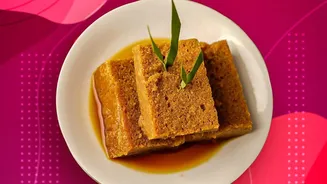
At its heart, Shahi Tukda is a beautiful interplay of textures and flavors. The foundation is bread, typically white bread with the crusts removed. For the best texture, day-old bread is often recommended as it fries up crispier and absorbs less ghee. The bread slices are fried until golden brown and crisp, creating a sturdy base that can withstand the subsequent soaking. Next comes the liquid element. This can be a simple sugar syrup scented with cardamom or rose water, or more commonly, a rich rabri. Rabri is milk that has been simmered for hours until it thickens and caramelizes, creating a deeply flavorful, creamy sauce. The final layer consists of garnishes: slivered almonds, pistachios, and sometimes edible silver leaf ('vark') for a truly royal presentation.
Placing It on a Modern Menu
Including a dessert as rich as Shahi Tukda on a menu requires some thought. Because it is so decadent, portion control is key. Consider offering it in smaller, 'shot glass' servings or as part of a dessert platter with lighter options. This makes it an easier choice for diners who might be full after a main course. Describing it effectively is also crucial. Use words that evoke its texture and heritage, such as 'crispy, ghee-fried bread', 'creamy saffron-infused rabri', and 'a royal Mughlai delicacy'. This tells a story and elevates the dish beyond a simple bread pudding. It’s a perfect fit for a menu that already features rich, traditional North Indian or Hyderabadi dishes like biryani, as it provides a culturally cohesive end to the meal.
Creative Twists and Pairings
While the classic recipe is timeless, Shahi Tukda is incredibly adaptable. Beyond Ranveer Brar's mango version, you can experiment with other fruit-infused rabris, such as strawberry or lychee. For a textural twist, consider using different types of bread, like brioche or challah, for a richer, more cake_like result. You could also incorporate chocolate by drizzling a dark chocolate sauce over the top or adding cocoa to the rabri. When it comes to pairings, the dessert’s sweetness calls for a balancing counterpart. A strong cup of black coffee or a masala chai can cut through the richness beautifully. For an even more elevated experience, a dessert wine could be an option, but a simple, fragrant tea is often the most complementary choice.