


The New Geography of Flavour
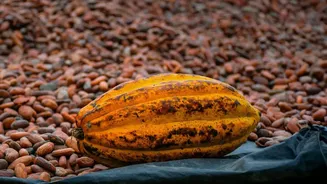
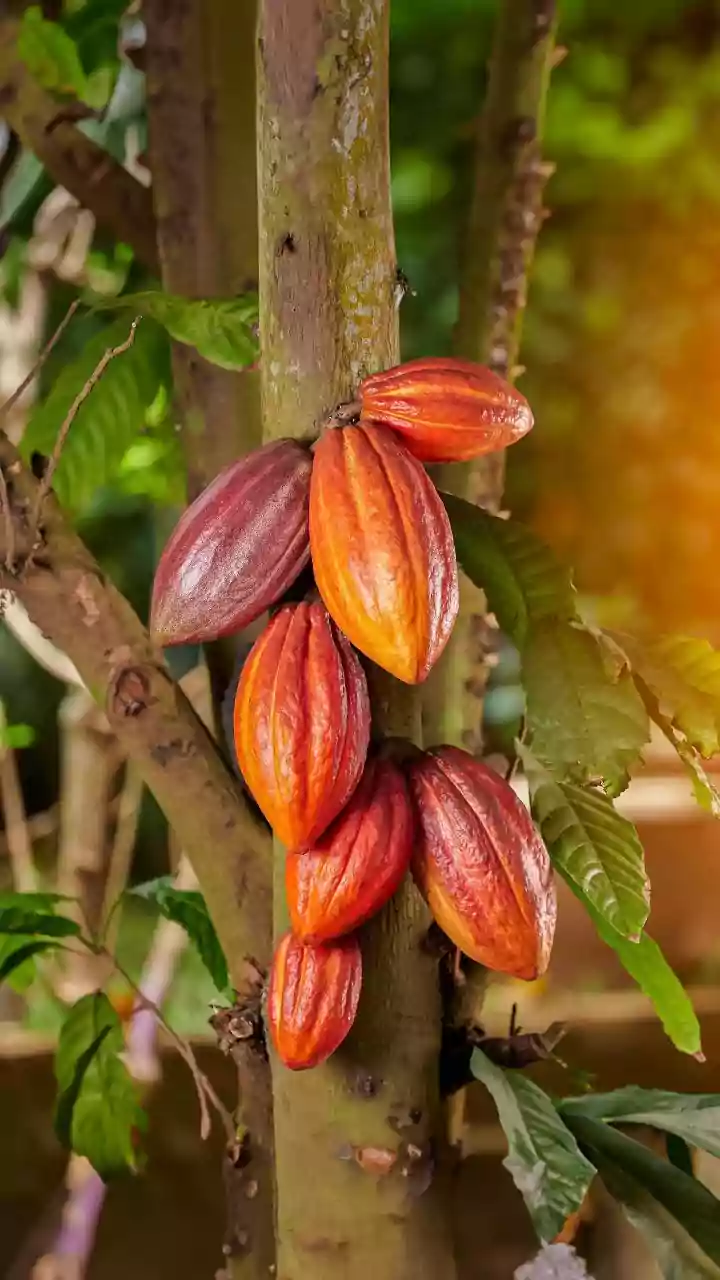
For decades, the story of fine chocolate was rooted in Europe. But the ingredients—the cocoa beans themselves—have always grown in the tropical belt near the equator. Now, India is stepping out from the background and into the spotlight. A burgeoning
'bean-to-bar' movement is challenging the old guard by focusing on a concept long cherished in the world of wine: terroir. Terroir refers to the way a region's specific environment—its soil, climate, and geography—imparts a unique character to an agricultural product. Indian chocolatiers are proving that cocoa grown in the hills of Kerala or the deltas of Andhra Pradesh has a story to tell, one that is profoundly different from its counterparts in Africa or South America.
Unlocking South India's Cocoa Terroir
So, what does South Indian terroir taste like? It's a complex and layered experience. Cocoa from India, particularly from the key growing states of Kerala, Tamil Nadu, and Andhra Pradesh, is often inter-cropped with spices and fruits like coconut, nutmeg, pepper, and banana. This agricultural practice subtly influences the flavour profile of the cocoa beans, a phenomenon known as flavour incorporation. The Idukki district in Kerala, nestled in the Western Ghats, is especially renowned for its beans, which benefit from the region's abundant rainfall and spice-rich soil. The resulting chocolates can carry remarkable notes of spices, raisins, tropical fruits, and even a hint of tobacco, offering a taste that is both unique and deeply connected to its place of origin.
The Bean-to-Bar Pioneers
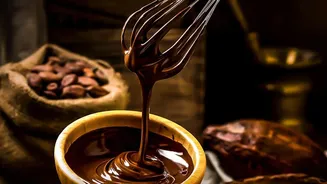
This focus on local flavour is driven by a passionate group of artisanal makers. Brands like Soklet, India's first tree-to-bar brand, cultivate their own cocoa in the Anamalai foothills, controlling every step from farming to the final bar. Mason & Co, based in Auroville, works directly with organic farms in South India, ensuring ethical sourcing and showcasing the bean's quality. Meanwhile, Hyderabad-based Manam Chocolate works with over 100 farmers in West Godavari, using scientific fermentation techniques to unlock bold and distinctive flavour profiles previously hidden in Indian cacao. These companies, and others like them, are not just making chocolate; they are building an ecosystem that prioritizes transparency, sustainability, and the unique character of Indian cocoa.
Redefining the Gourmet Gift Box
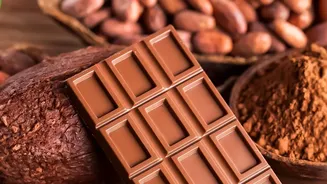
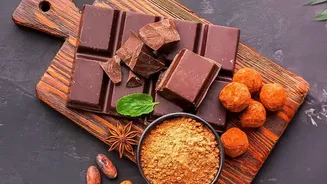
This shift towards origin-focused chocolate is transforming the gourmet gifting landscape in India. For years, gifting meant a box of traditional mithai or imported chocolates. Today, a bar of single-origin Indian craft chocolate has become a statement of sophistication and thoughtfulness. These are not just sweets; they are conversation starters. Gifting a bar of chocolate made from Idukki beans is like gifting a taste of the Kerala landscape itself. Brands are leaning into this, with elegant packaging and detailed notes about the cocoa's origin, flavour profile, and the farmers who grew it. This move aligns with a broader consumer trend toward premium, artisanal products that carry an authentic story, making these chocolates a popular choice for everything from festival hampers to corporate gifts.