



Meet the New Beverage Stars
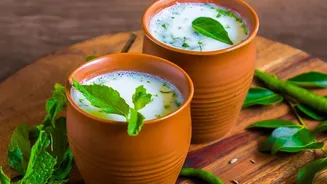
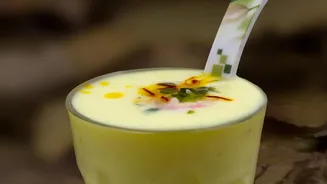
The drinks leading this quiet revolution are Kanji and Sol Kadhi, two traditional Indian beverages making a triumphant comeback. For generations, they were staples in homes across the country, celebrated for their flavour and health-giving properties.
Now, they are being rediscovered by a new generation of urban Indians seeking alternatives to sugary, processed soft drinks. This isn't just about trying something new; it's a conscious choice, blending a desire for wellness with a connection to cultural roots. These drinks, once relegated to grandma's kitchen, are now finding a place on the chic menus of metro cafes, offering a refreshing and uniquely Indian experience.
A Sip of Tradition: What Are They?
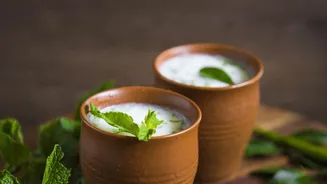
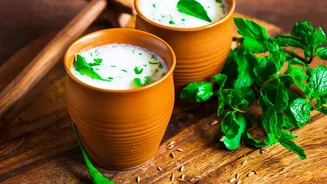
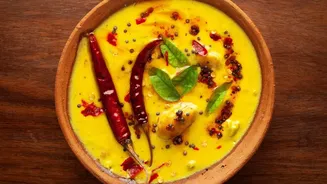
Kanji is a fermented drink with its origins in North India, traditionally made during the winter and for festivals like Holi. Its base is typically black carrots (or sometimes beetroot), which are fermented in water with mustard seeds and salt for several days. This process gives Kanji its distinctive tangy, pungent flavour and its deep purplish hue. The fermentation not only creates a complex taste but also enriches the drink with beneficial microorganisms. Sol Kadhi, on the other hand, hails from the coastal Konkan region, particularly Goa and Maharashtra. This soothing, pale pink drink is made from kokum, a sour fruit from the mangosteen family, blended with creamy coconut milk. Often spiced with a hint of garlic, ginger, or green chilli, Sol Kadhi is prized for its ability to cool the body and soothe the digestive system, especially after a spicy meal. Unlike Kanji, it isn't fermented, but its ingredients are packed with benefits.
The Gut-Health Connection
The headline's claim of Kanji and Sol Kadhi being “healthy probiotic replacements” is at the heart of their newfound popularity. Kanji is a true probiotic powerhouse. The natural lactic acid fermentation process populates the drink with gut-friendly bacteria, such as Lactobacillus. These probiotics are known to support a healthy digestive system, improve nutrient absorption, reduce bloating, and boost immunity. While Sol Kadhi is not a fermented beverage, it is a celebrated digestive aid. Its power lies in its core ingredients. Kokum is known to have anti-inflammatory and antioxidant properties, and it stimulates digestive enzymes, which helps prevent acidity and indigestion. Coconut milk provides a cooling effect, soothing the stomach lining. So, while Kanji directly provides probiotics, Sol Kadhi creates a healthy environment for your gut to thrive, making both excellent choices for digestive wellness.
A Return to Culinary Roots
The resurgence of these traditional drinks is part of a larger cultural movement. Across India, there is a growing appreciation for regional cuisines and forgotten recipes. In a world of globalised menus, many are finding comfort and pride in the unique flavours of their own heritage. This trend is driven by a desire for authenticity and a rejection of mass-produced products. Choosing Kanji or Sol Kadhi over a soda is more than a health decision; it's a statement. It reflects an interest in sustainable, natural ingredients and time-honoured culinary wisdom. As chefs and food entrepreneurs revive these age-old recipes, they are reintroducing a piece of Indian history to a modern audience, proving that traditional foodways have a firm place in the contemporary world.
The Modern Cafe Makeover
In the context of a modern cafe, these drinks are shedding their rustic image and getting a stylish makeover. Served chilled in elegant glasses, they appeal to a discerning customer who values both wellness and aesthetics. They represent a smart, sophisticated choice—a way to indulge that also feels nourishing. The cafe environment makes these regional specialities accessible to a wider audience who may not have encountered them before. It bridges the gap between a homemade health remedy and a trendy lifestyle beverage, proving that what's old can be new, exciting, and incredibly relevant again.