


Breaking the 'All-or-Nothing' Cycle
Many of us have been there: we commit to a rigorous new fitness plan with great intentions, only to have a busy week derail our progress. The feeling of failure makes it harder to start again, and soon we're back to square one. This 'boom-bust' cycle
is a common struggle, rooted in the belief that exercise must be a major time commitment to be effective. The truth is, consistency will always triumph over intensity when it comes to long-term health. The 10-minute movement session is the perfect antidote to this mindset. By lowering the barrier to entry, it makes the act of starting almost effortless. It reframes the goal from a grueling hour-long session to a small, repeatable win. This psychological shift is powerful; instead of needing motivation, you just need a few minutes.
The Science of 'Exercise Snacking'
Don't let the short duration fool you; the physiological benefits are significant. Researchers refer to these brief, distributed bouts of movement as 'exercise snacks'. Studies show that accumulating exercise in 10-minute increments offers similar benefits to one continuous session for outcomes like blood pressure and cardiorespiratory fitness. These short bursts can help regulate blood sugar levels, especially after meals, which is crucial for preventing type 2 diabetes. They also support heart health by improving circulation and lowering blood pressure over time. Some research even indicates that just a few minutes of vigorous activity daily can significantly lower the risk of cardiovascular death and cancer. The key takeaway is that your body responds to the total activity you accumulate, making these short sessions a scientifically valid way to improve your health.
Building an Unbreakable Habit
The true power of the 10-minute workout is its ability to build an unshakable habit. According to habit formation science, our brains are wired to repeat behaviours that are easy and rewarding. A 10-minute session is manageable even on the busiest days, providing a daily dose of success. Each time you complete a session, you reinforce a new identity: 'I am someone who moves every day'. This is far more powerful than telling yourself you 'should' exercise. This consistency builds self-efficacy—your belief in your ability to succeed—which is a key predictor of long-term adherence. High adherence rates have been observed in studies on exercise snacking, highlighting how feasible the approach is for many people. Once the habit is established, it's much easier to maintain or even build upon, perhaps by adding a second 10-minute session or increasing the intensity.
More Than Just Physical Benefits
The impact of a quick movement break extends directly to your mental well-being. Physical activity triggers the release of endorphins, often called 'happy hormones', which can elevate your mood in as little as 10 minutes. This makes it a powerful tool for managing stress and anxiety. Feeling that afternoon slump? A short walk or a few bodyweight exercises can boost oxygen circulation and be more effective than caffeine at fighting fatigue and improving focus. Studies have shown that even these brief sessions can improve cognitive function, memory, and may help prevent the onset of depression. This immediate feedback—feeling less stressed and more energised—provides a powerful reward that reinforces the habit.
How to Make Your 10 Minutes Count
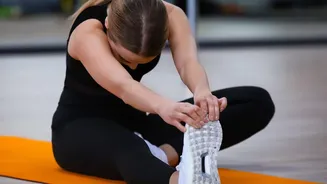
The beauty of this approach is its flexibility. A 10-minute session can be anything that gets your body moving. It could be a brisk walk around the block after lunch, which is fantastic for digestion and blood sugar control. You could try a simple bodyweight circuit at home: think squats, push-ups, lunges, and planks. Other options include dancing to a few of your favourite songs, doing some yard work, or following a guided stretching or yoga video online. The goal isn't perfection; it's participation. To make it stick, try 'habit stacking': link your 10-minute session to an existing daily habit, like just before your morning shower or right after you log off from work.