




The Great Urban Squeeze
The story of modern Indian design begins with a simple reality: space is at a premium. In bustling metro cities like Mumbai, Bengaluru, and Delhi, rising real estate costs and the growing trend of nuclear families mean that apartments are becoming more
compact. This isn't a limitation; it's a creative challenge that designers and homeowners are meeting head-on. The focus is shifting from sheer size to intelligent design. It's less about how much space you have and more about how you use it. This has sparked a move away from sprawling, cumbersome furniture and towards layouts that are efficient, adaptable, and deeply personal.
Furniture That Works Harder
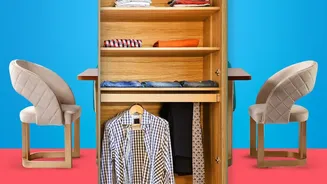
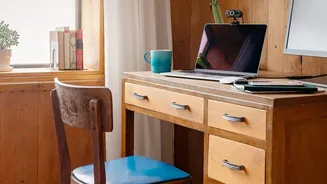
In a compact home, every piece of furniture must earn its place. This is where multifunctional design becomes a hero. Think of a sofa that seamlessly transforms into a guest bed, a coffee table with hidden storage ottomans, or a dining table that can be folded away when not in use. These aren't just space-saving gimmicks; they are essential tools for a flexible lifestyle. Modular storage units, wall-mounted desks, and floating TV consoles are also becoming standard, freeing up precious floor space and creating a feeling of openness. This demand for adaptable furniture is a direct response to the need for homes that can serve as an office, a space for entertaining, and a family sanctuary, sometimes all in one day.
The Power of a Single Statement
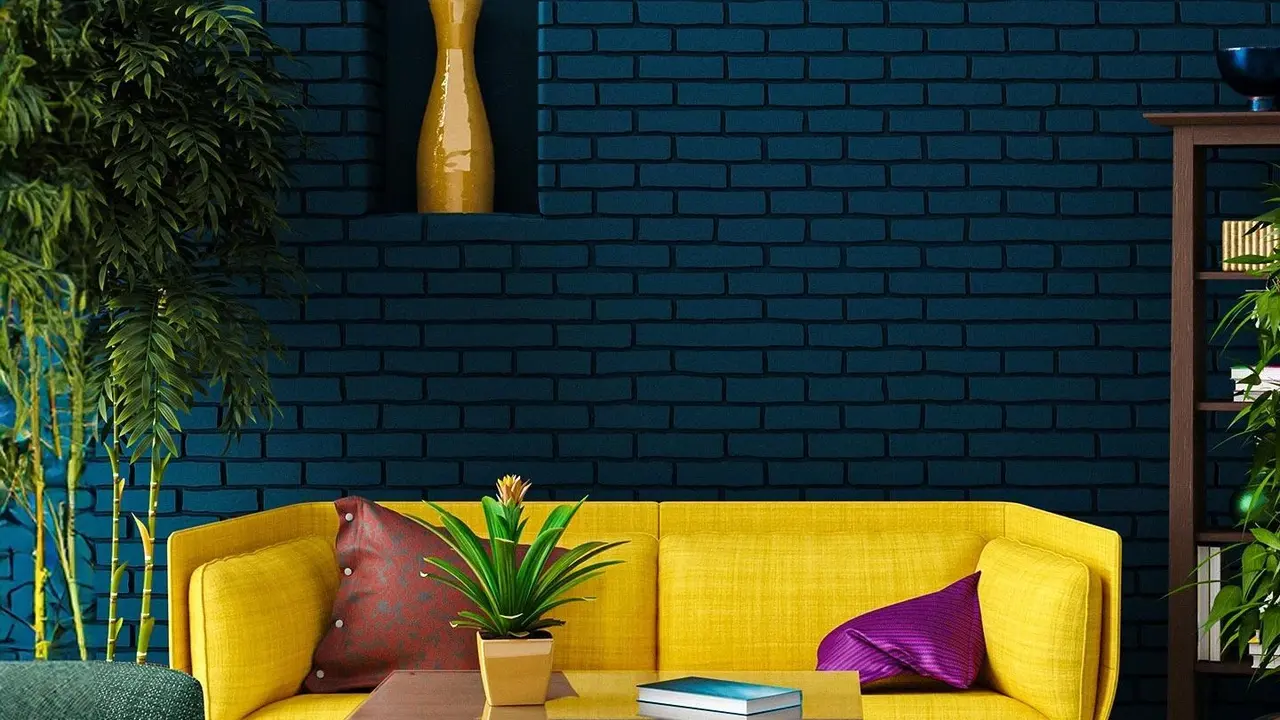
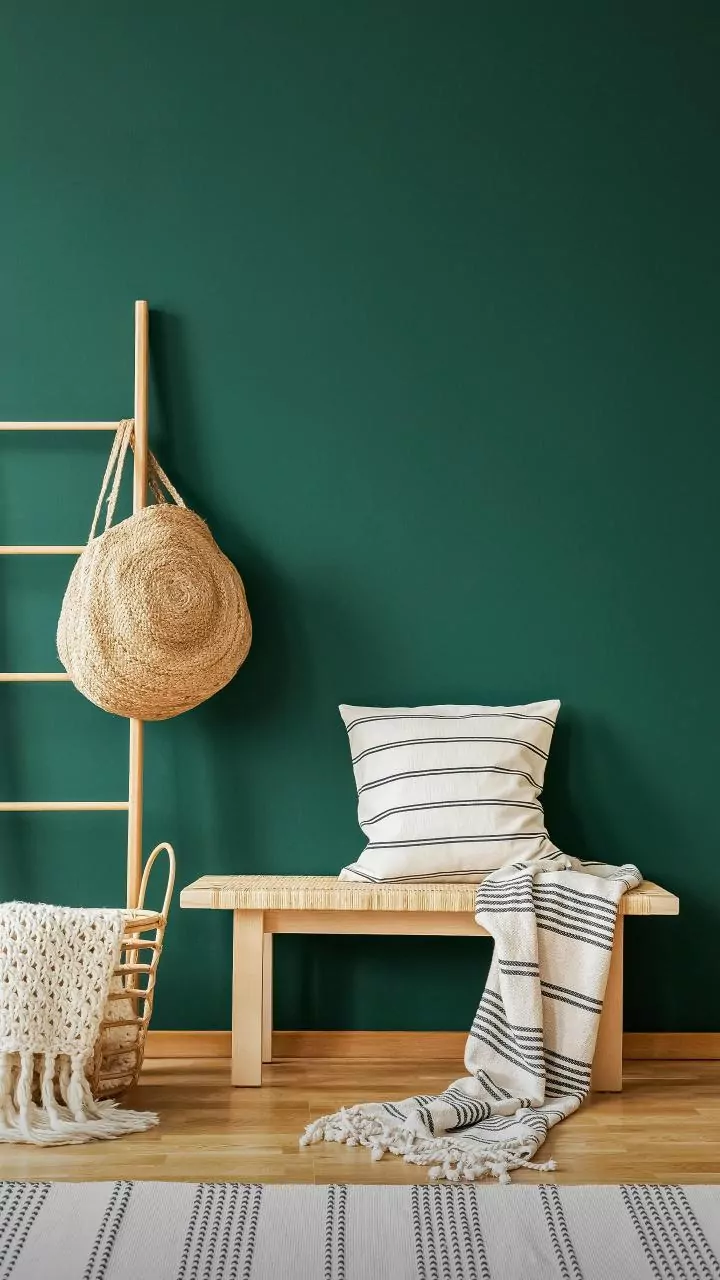
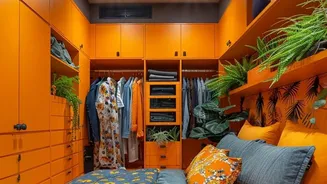
When your canvas is smaller, each brushstroke matters more. Instead of filling a room with many small, competing items, the trend is to choose fewer but more impactful pieces. This is where 'high-impact details' come into play. A single, dramatic accent wall, for instance, can define an entire room. Homeowners are embracing bold paint colours, rich textures like limewash or Venetian plaster, or even custom murals to create a powerful focal point. This approach allows for a burst of personality without overwhelming the space. The idea is to create visual drama and depth in a concentrated way, making the room feel curated and intentional.
Let There Be (Statement) Light
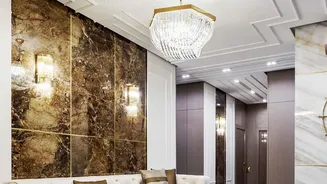
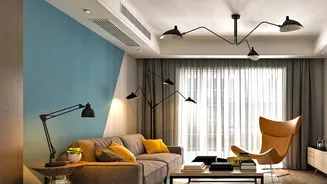
Lighting has evolved from a purely functional element to a central piece of decor. In smaller homes, a statement light fixture can act as the room's jewellery. A sculptural pendant lamp over a dining table or an elegant floor lamp in a corner does more than just illuminate; it draws the eye upward, adds character, and can anchor a space. Designers are layering lighting—combining ambient, task, and accent lights—to create mood and the illusion of depth. This thoughtful approach to lighting ensures that even a compact room can feel warm, inviting, and surprisingly spacious.
Texture, Colour, and a Touch of Tradition
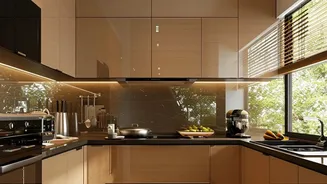
While minimalism has its place, the new compact design isn't about sterile, empty rooms. It’s about warmth, personality, and texture. There is a strong return to natural and handcrafted materials that add depth and a tactile quality to interiors. Think cane-backed chairs, jute rugs, and terracotta accents. These materials are often paired with a sophisticated colour palette. Instead of just plain white, the new neutrals are warm, earthy tones like olive green, dusty terracotta, and muted blues. These colours are often used to create a backdrop for bringing in elements of Indian heritage—a piece of brass decor, a handloom textile, or a piece of art—blending modern living with a timeless cultural identity.