


Gajar ka Halwa: The Quintessential Winter Dessert
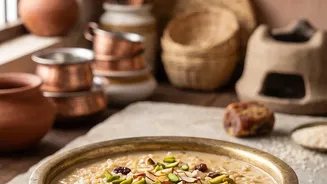
No North Indian winter is complete without a warm bowl of Gajar ka Halwa. This beloved dessert is a slow-cooked pudding made from grated carrots, milk, sugar, and a generous amount of ghee. The magic of this dish lies in its simplicity and the quality
of its main ingredient: the sweet, juicy red carrots that are available in abundance only during the winter months. The process is a labour of love, involving simmering the carrots in milk until they become soft and the milk reduces to a creamy consistency. Finished with fragrant cardamom and garnished with slivered almonds and pistachios, Gajar ka Halwa is pure comfort. It is traditionally served hot, making it the perfect indulgence to combat the winter cold and a staple at festivals and family gatherings during this season.
Sarson ka Saag and Makki ki Roti: A Match Made in Punjab
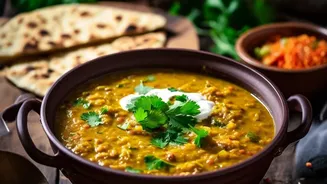
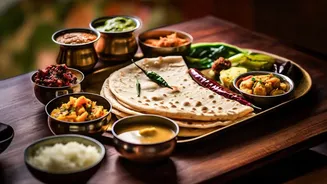
This iconic duo from the heart of Punjab is the very definition of seasonal, rustic comfort food. Sarson ka Saag is a hearty, flavourful curry made from mustard greens (sarson), which are at their peak during the cold months. Often, other greens like spinach (palak) or bathua (pigweed) are added to balance the pungent, slightly bitter taste of the mustard leaves. The greens are slow-cooked for hours until they become creamy and tender, then tempered with onion, ginger, and garlic. This earthy dish is almost always served with Makki ki Roti, a rustic flatbread made from maize flour. The slightly sweet, dense texture of the roti perfectly complements the robust saag. Topped with a dollop of white butter or ghee, this meal is not just food but an experience that warms you from the inside out.
Panjiri: The Nutritious Winter Energiser
More of a nutritional supplement than a dessert, Panjiri is a crumbly, sweet mixture traditionally prepared in large batches to last the entire winter season. Made from whole wheat flour roasted in ghee, it is packed with an assortment of nuts, seeds, and edible gum (gond). This energy-dense food is known to generate heat in the body, making it a staple for braving the cold. Generations of grandmothers have sworn by its benefits, which include boosting immunity, soothing sore muscles, and providing a powerful dose of energy to combat winter lethargy. Panjiri is also traditionally given to new mothers to help them regain strength. Sweetened with sugar or jaggery and flavoured with spices like dry ginger and cardamom, a spoonful of Panjiri is a wholesome and delicious way to stay nourished and warm.
Gond ke Laddoo: The Warming Winter Treat
Gond ke Laddoo are small, round sweets that are a powerhouse of warmth and nutrition. The star ingredient is 'gond', or edible gum, a natural resin harvested from the acacia tree. When fried in ghee, the gond crystals puff up into crunchy, light spheres. These are then mixed with whole wheat flour, ghee, nuts, and a sweetener like jaggery to form laddus. According to traditional wisdom and Ayurveda, gond has 'garam taseer', meaning it has warming properties, making these laddus particularly beneficial during winter. They are believed to help lubricate joints, reduce aches associated with the cold, boost immunity, and provide sustained energy. Often enjoyed in the morning with a glass of milk, one Gond ke Laddoo is considered enough to keep you energised and warm through a chilly day.