

A Health-Conscious Makeover
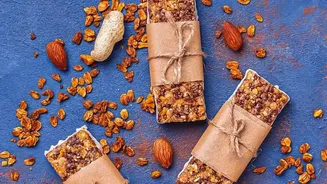
The most significant driver of change in the Indian snack market is a collective pivot towards health and wellness. Consumers are increasingly reading labels and seeking out options that are baked, not fried, and made with transparent, clean-label ingredients.
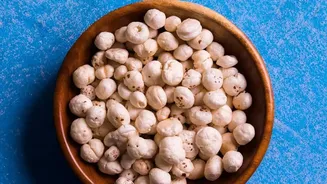
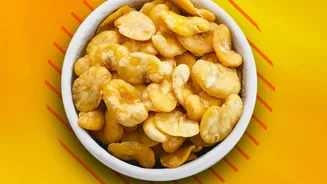
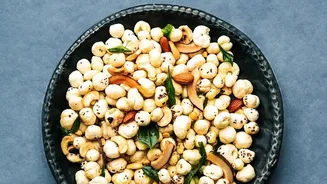
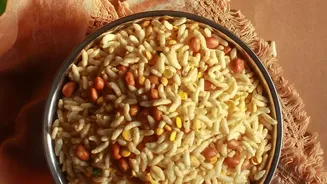
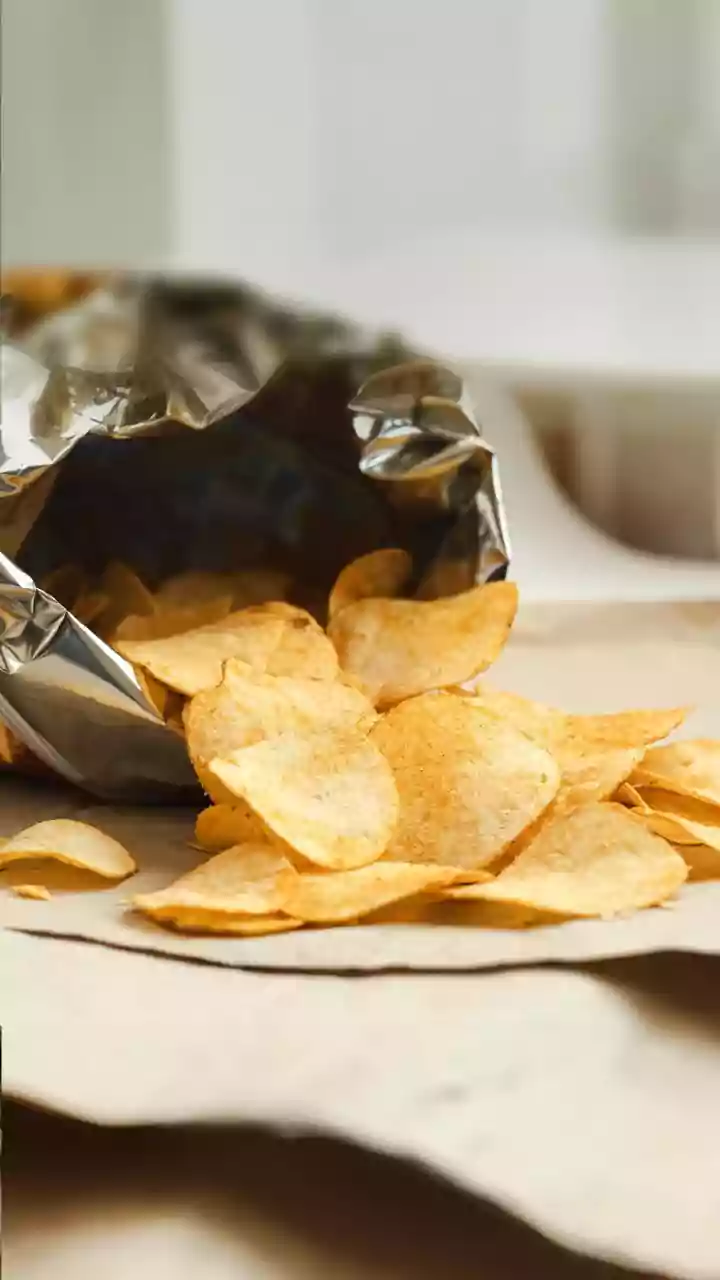
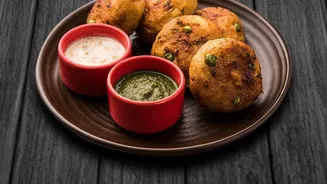
This shift has paved the way for a new wave of brands creating 'unjunked' versions of beloved classics. Imagine bhujia that is baked instead of deep-fried, or samosas that are air-fried to crispy perfection. Ancient grains, once regional staples, are now front and centre. Millets like jowar, ragi, and bajra are being fashioned into chips, puffs, and extruded snacks, offering a nutritious, high-fibre alternative to traditional potato chips. Even makhana (fox nuts), long associated with religious fasting, has been reinvented with bold seasonings like peri-peri, becoming a mainstream, low-calorie powerhouse.
Nostalgia in a New Packet
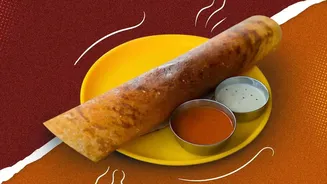
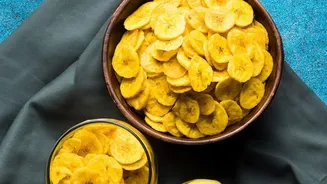
While innovation is booming, tradition isn't being discarded; it's being thoughtfully repackaged for the modern consumer. The demand for convenient, on-the-go snacking has led companies to reinvent traditional snacks in portable, shelf-stable formats that fit hectic schedules. Brands are finding success by tapping into a sense of nostalgia, offering flavours that evoke childhood memories but with improved hygiene and premium ingredients. Think of regional specialities like South India's thattai, a crunchy disc-shaped snack, now marketed with its specific origin story to appeal to discerning food lovers. This blend of old and new appeals across generations, connecting younger consumers to their culinary heritage while assuring older ones of quality and cleanliness. The direct-to-consumer (D2C) model has been a game-changer, allowing regional and startup brands to reach a national audience, fueled by the growth of quick commerce platforms.
The Global Palate, The Indian Heart
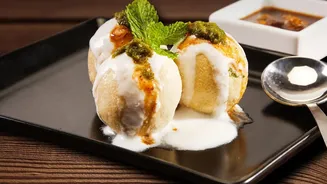
The evolution of Indian snacking also includes a playful and delicious fusion of local formats with global flavours. As palates become more adventurous, consumers are embracing exciting cross-cultural combinations. This has led to creations like quinoa puffs seasoned with dahi papdi chaat flavour, or ragi chips with a nacho cheese twist. The influence of Mexican and Thai cuisine is particularly visible, with tandoori quesadillas, chaat nachos, and Thai rice chips appearing on menus and in snack boxes. This isn't just about borrowing flavours, but about integrating them in a way that feels authentic to the Indian palate. Masala mac and cheese, paneer tikka tacos, and even gulab jamun cheesecakes are no longer niche experiments but part of a growing fusion food movement that is redefining comfort food for a new era.
Driven by a New Generation
Underpinning this entire transformation is a new generation of Indian consumers. They are globally aware, digitally native, and more health-conscious than ever before. For them, a snack isn't just an indulgence; it's a nutritional choice. Reports indicate that over 70% of consumers read ingredient labels to check for nutritional value, driving brands to innovate. This demographic is open to trying new products but also desires a connection to their roots, creating a fertile ground for brands that can successfully bridge the gap between tradition and modernity. The Indian snacks market, projected to grow significantly in the coming years, is being shaped by these discerning 'empowered snackers' who want the best of both worlds: the comforting taste of tradition and the mindful benefits of modern nutrition.